
New River Gorge Rafting for Every Kind of Group
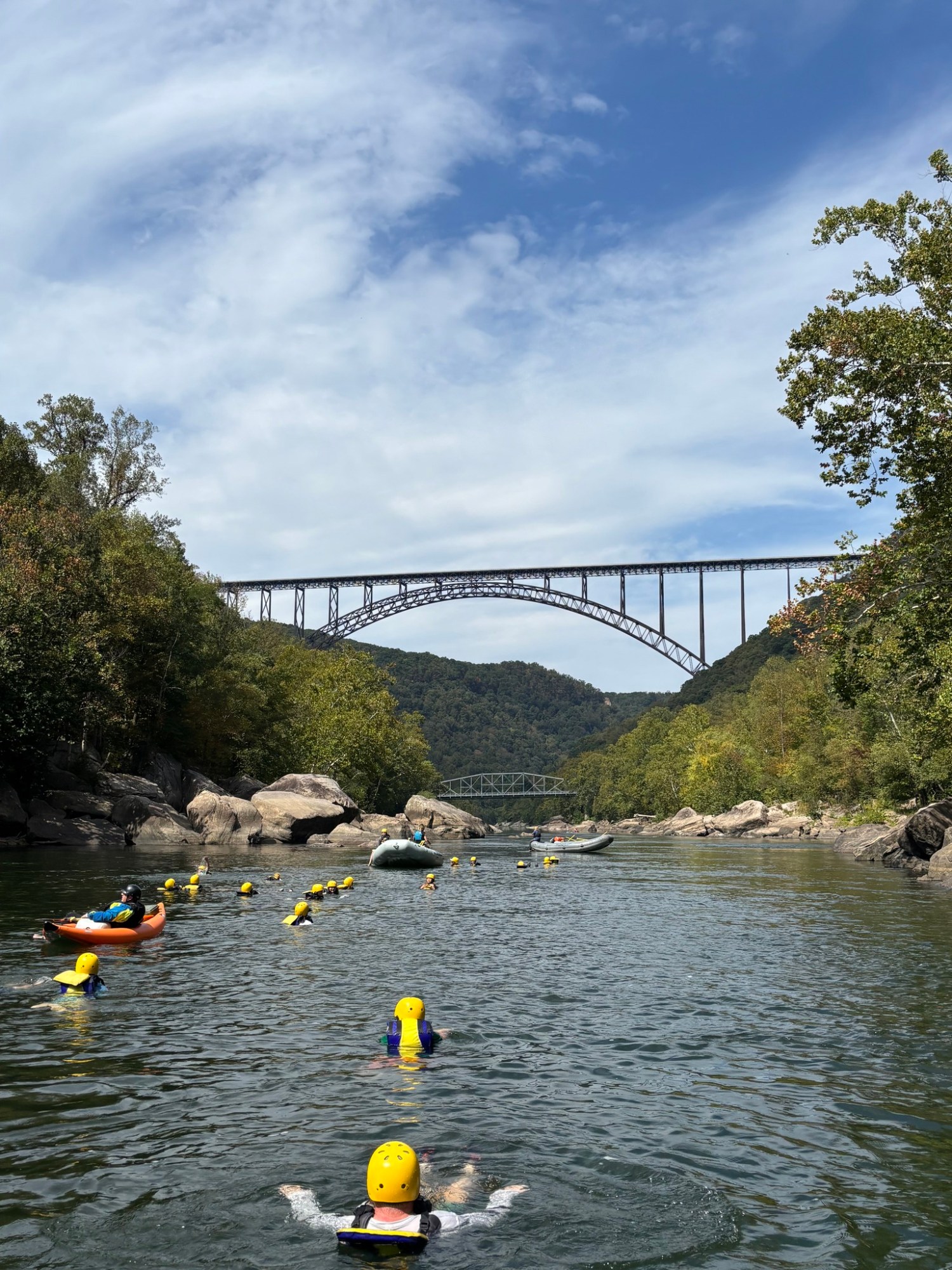
The first thing you notice in the New River Gorge is the scale. Sandstone cliffs rise above the water, forested ridges stretch beyond the next bend, and then the river gives your crew a reason to paddle hard. It is the kind of place where a family vacation, a friends’ weekend, or a group outing can become the story everyone keeps retelling.
The best part is that a New River Gorge adventure does not require everyone to arrive with the same comfort level. A first-time rafter can learn the basics with an experienced guide, while the person in the next seat can chase the splash, the speed, and the biggest wave in sight. Picking the right trip is less about proving anything and more about matching the day to your crew.
Why the New River Gorge Makes a Great Rafting Trip
The New River is one of the country’s most recognizable whitewater destinations for good reason. It brings together real rapids, wide-open mountain scenery, and a river corridor that feels far removed from crowded attractions. The gorge is also easy to build into a fuller West Virginia getaway, whether you are staying for a long weekend or making rafting the main event of a road trip.
For many visitors, the Lower New River is where the excitement builds. This stretch is known for Class III and IV whitewater, with technical waves, rock features, and sections that demand teamwork. Between rapids, there is time to catch your breath, look up at the gorge, and listen as your guide shares the river’s character and history.
That mix matters. A nonstop adrenaline ride can be fun, but the pauses between rapids are where a raft full of strangers becomes a team and a family group gets to enjoy the view together. You do not have to be an expert paddler to have a big day on the river. You do need to choose an outfitter and trip level that take preparation seriously.
Choose Your New River Gorge Experience by Comfort Level
The right rafting trip depends on the ages in your group, your confidence around water, the season, and what kind of memory you want to bring home. A calm scenic float and a Class IV whitewater day are both worthwhile, but they are not interchangeable.
For families and first-time rafters
If your crew includes younger children, nervous first-timers, or people who would rather take in the scenery than charge into major waves, start with a beginner-friendly option. A guided float or milder river experience gives everyone room to get comfortable with paddling, river commands, and being in the boat together.
Do not mistake beginner-friendly for boring. Kids often remember spotting wildlife, jumping in for a swim when conditions allow, and learning that they can handle more than they expected. Adults get the same confidence boost, plus the relief of knowing a trained guide is managing the route, safety talk, and pace of the day.
For crews ready for real whitewater
The Lower New is a strong choice for active families with eligible older kids, couples, friend groups, and first-time rafters who want a challenge. Class III and IV rapids are lively enough to make your heart race, but a guided trip is designed to teach you how to work as a boat. Your guide will explain paddle commands, seating, what to do if you fall in, and how to respond when the river gets loud.
Expect to paddle. This is not a ride where you simply hold on while someone else does the work. The effort is part of the fun, especially when your raft punches through a wave train or threads a rocky rapid after everyone follows the same command at the same moment.
For experienced whitewater seekers
Returning paddlers and serious thrill-seekers may want to pair the New River Gorge with the Lower Gauley River. Conditions, water levels, and trip timing all shape the experience, but the Gauley is widely known for bigger, more demanding whitewater. It is a different commitment from a family float or an intermediate New River day.
Be honest about your group’s experience. The strongest trip is not always the hardest one. If half the boat is eager for a major challenge and half is uneasy, choosing a level where everyone can participate confidently usually creates a better day for the entire raft.
What a Guided Rafting Day Feels Like
A well-run day begins before the raft touches the water. After check-in, guests receive the gear required for the trip and a clear safety orientation. You will learn how to wear and adjust your personal flotation device, hold a paddle, listen for commands, and react if you end up in the water. Ask questions here. Good guides welcome them.
Once you launch, the rhythm changes quickly. There may be a quiet stretch to practice strokes and get acquainted, followed by a rapid that turns every face forward. Your guide reads the river, calls the line, and helps the crew work together. You bring the energy and the willingness to paddle.
Guides also know that rafting is about more than rapids. They know where the gorge opens to a big view, where to point out a local landmark, and when a nervous guest needs a calm reminder that they are doing fine. At West Virginia Adventures, that personal, safety-focused approach is central to the experience, whether the boat is full of first-timers or longtime river fans.
Plan for Comfort, Not Perfection
You do not need a closet full of technical outdoor gear for a rafting trip. You do need clothing that can get wet, secure footwear that stays on your feet, and a willingness to leave valuables behind. Quick-drying fabrics are usually more comfortable than heavy cotton, especially on cooler days.
Weather in the gorge can shift, and river water may feel cooler than the air. Bring a change of dry clothes for afterward, plus sunscreen and any personal essentials your outfitter permits. Glasses should be secured. Loose hats, jewelry, and anything you would hate to lose are better left at your lodging or in your vehicle.
Your outfitter will provide trip-specific guidance because what works for a warm summer float may not be right for a spring whitewater run. Follow that guidance over generic packing advice. River conditions and required equipment can change, and those details are part of keeping the day fun.
Make It Work for a Group
The New River Gorge is especially good for groups because the adventure gives everyone a shared role. On the water, the outgoing person, the quiet student, the team captain, and the grandparent who came to watch can all find their place in the day. For groups that are rafting together, communication is not optional – it is what gets the boat through a rapid.
For scouts, schools, church groups, athletic teams, reunions, and corporate outings, planning ahead makes a noticeable difference. Share age and participation requirements early, get waivers handled before arrival, and give participants a clear picture of the physical activity involved. Group leaders should also ask about timing, transportation, meal options, and how photos are handled, rather than trying to solve logistics at the last minute.
If your group has mixed confidence levels, consider whether everyone truly needs the same river experience. Sometimes splitting a large party into an easier option and a more adventurous trip is the move that lets every guest enjoy the day on their own terms.
Let the River Set the Pace
A New River Gorge rafting trip asks you to put the phone away, listen closely, and be present for the next bend. There will be a moment when the raft settles after a rapid, everyone looks at one another dripping wet and wide-eyed, and somebody says, “Let’s do that again.”
Give your crew enough time to arrive relaxed, dress for the water rather than the parking lot, and choose a trip that fits the least experienced person without selling short the most adventurous one. The gorge will provide the scenery. Your group will provide the story.