
How to Plan Multigenerational River Outings
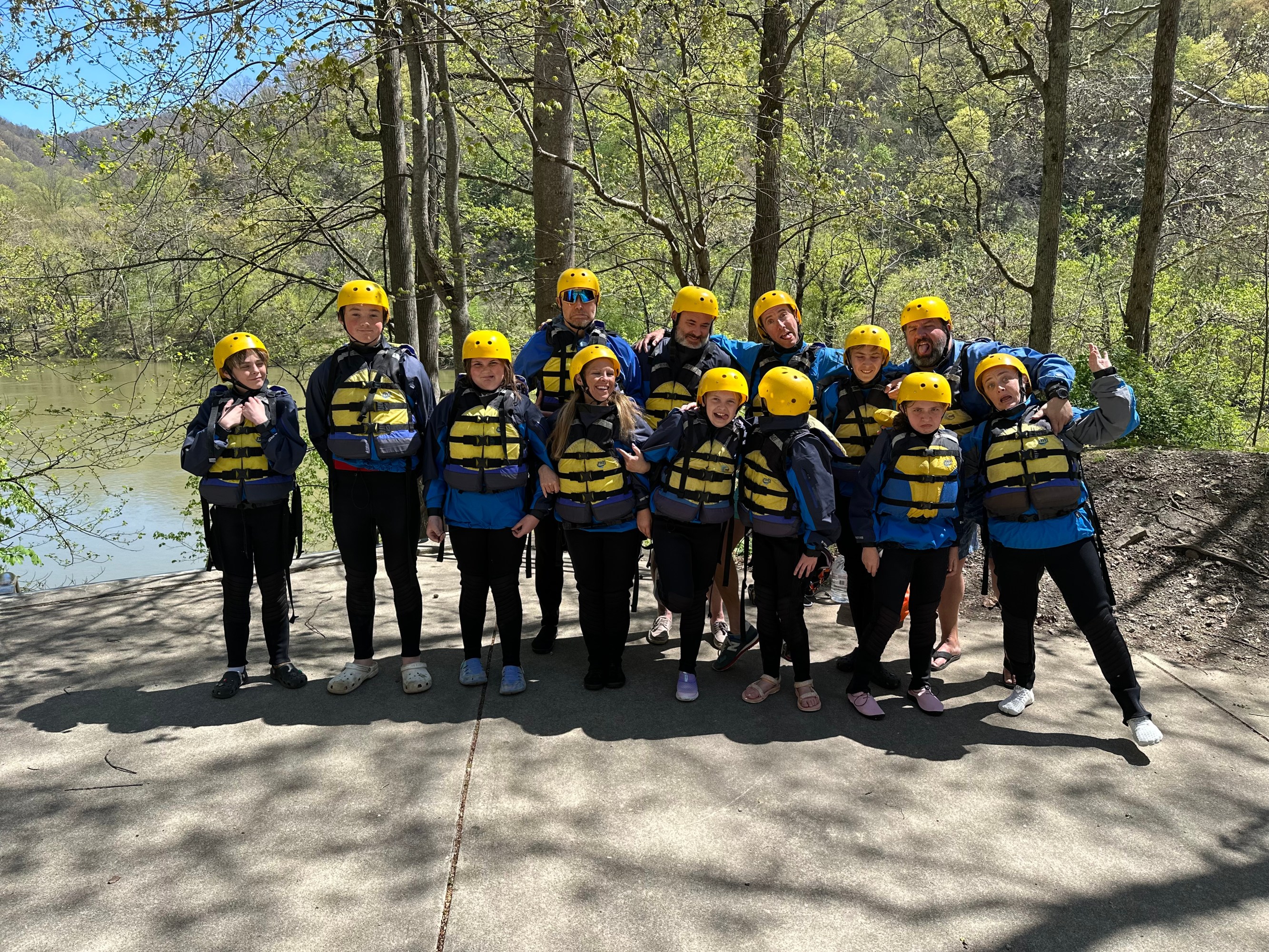
A river day can be the rare family activity where a teenager puts down the phone, a grandparent laughs louder than anyone expected, and parents get to enjoy the moment instead of managing every detail. The key is to plan multigenerational river outings around the people in your group, not around the biggest rapid someone saw in a video.
For a family reunion, a vacation with grandparents, or a long-overdue trip with cousins of every age, guided rafting can deliver a shared story without requiring everyone to have the same appetite for adrenaline. A little honest planning makes all the difference between a day that feels stressful and a day everyone talks about on the drive home.
Start With the Least-Experienced Guest
When several generations are involved, the best trip is usually not the one that challenges the strongest paddler. It is the one that lets the newest, youngest, or most cautious person feel secure enough to have fun.
Ask a few direct questions before choosing a river section. Who is nervous around moving water? Who has a medical condition, limited mobility, or trouble sitting for an extended period? Are there young children who may get cold quickly or older relatives who would rather enjoy the scenery than paddle hard through big waves?
That conversation is not about lowering expectations. It is how you choose the experience that gives the whole group a win. A scenic float trip with gentle current, room to relax, and a guide who handles the details can be a better family memory than a difficult run that leaves half the boat overwhelmed.
Age requirements and participation guidelines matter, too. They are set for a reason, based on water conditions, river difficulty, equipment, and the physical demands of the trip. A reputable outfitter will be clear about them and happy to help you sort through options before you reserve.
Choose the Right Pace for Your River Outing
A multigenerational outing is not only about rapid class. It is also about the rhythm of the day.
A shorter trip may suit a family traveling with younger kids, first-timers, or grandparents who want an outdoor adventure without committing to a full day. A longer trip can be a great fit when your group is comfortable outside, has the energy for a bigger experience, and wants more time on the water.
Consider the entire schedule, not just the time in the raft. Add arrival time, checking in, changing clothes, the safety talk, transportation to and from the river, lunch plans, and time to settle back at your cabin or campsite afterward. Families often enjoy the day more when they leave breathing room instead of stacking rafting between a long drive and dinner reservations.
In the New River Gorge, river options can be close together while delivering very different experiences. That gives groups a real advantage: you can select a trip based on your family’s comfort level without giving up the scenery, the guide-led experience, or the feeling that you did something memorable together.
Let conditions shape the final call
River trips change with water levels, weather, and the season. A stretch that feels mellow at one water level can feel more active after rain. Trust the outfitter’s recommendation, especially if your group includes children, seniors, or people who are brand new to rafting.
Experienced guides and trip planners know when a group is ready for a little more splash and when a calmer route will create a better day. That local judgment is one of the biggest benefits of going guided.
Make Comfort Part of the Adventure
Nobody remembers whether every family member wore the perfect outdoor outfit. They do remember being cold, hungry, sunburned, or uncomfortable for hours. A few practical choices keep small discomforts from becoming the main event.
Wear clothing that can get wet and dries quickly. Avoid cotton if the day may be cool, because it stays wet and can leave people chilled. Secure water shoes or old sneakers are generally a better choice than flip-flops, which can come off easily. Sunglasses should be secured with a strap, and sunscreen belongs on everyone before the trip begins.
For younger kids, bring a dry change of clothes and a towel where you can reach them after the river. For older adults, think about layers, medication needs, and whether they can comfortably move into and out of a raft. If someone has a concern, mention it while booking rather than hoping it will sort itself out on trip day.
A professional outfitter supplies the essential safety equipment and explains how it should fit. Life jackets are not a formality. A properly fitted personal flotation device, worn correctly from launch to takeout, is part of what lets everyone relax and enjoy the ride.
Pick an Outfitter That Can Lead a Mixed Group
A guide can turn a raft full of relatives into a team. For a mixed-age group, look beyond the river description and pay attention to how an outfitter runs the day.
You want clear pre-trip communication, straightforward age and ability guidance, quality equipment, and guides who can explain safety instructions without making first-timers feel embarrassed. The best guides read the raft. They know when to keep the energy high, when to offer extra reassurance, and when to pause so everyone can take in the canyon around them.
At West Virginia Adventures, that personal approach matters because family groups rarely arrive as a neat, single-skill-level crew. One person may be ready to charge through Class III or IV water while another is stepping into a raft for the first time. A well-organized guided trip helps the group choose an experience that feels exciting without leaving anyone behind.
If your party is large, reserve early and give the outfitter a realistic headcount. Family reunions have a way of growing after the first group text goes out. Share the age range, swimming comfort, special needs, and whether people are traveling separately. This helps the team organize boats, guides, and timing more smoothly.
Build a Day That Includes More Than Rapids
The strongest multigenerational outings include a few quiet moments around the action. Plan time for a group photo before launch, a snack after the trip, or a relaxed meal where everyone can compare their favorite parts of the day.
Teenagers may remember the biggest wave. Younger kids may remember spotting wildlife or getting to splash an uncle. Grandparents may love seeing everyone work together. Giving the day a little space lets those moments happen naturally.
It also helps to set expectations before arrival. Tell first-timers that they will receive instructions, wear safety gear, and have a guide with them. Let the thrill-seekers know that the group’s pace matters. A family trip works best when the confident paddlers encourage others instead of pressuring them.
Have a backup plan without making it a big deal
Weather can change, travel delays happen, and not every relative feels the same on the morning of a trip. Keep the schedule flexible enough that a change of plans does not feel like failure.
If someone decides not to raft, they may still enjoy visiting the area, meeting the group afterward, or taking photos before launch. If heavy rain changes the itinerary, listen to the outfitter’s safety call. The goal is not to force one exact version of the day. It is to give your family a good experience together.
Turn Different Comfort Levels Into a Strength
There is no prize for choosing a trip that scares the most people. The real success is hearing every generation say, “I’d do that again.” Sometimes that means a beginner-friendly float. Sometimes it means splitting a larger reunion into separate trips based on experience, then reconnecting afterward to swap stories.
When you plan multigenerational river outings with the right river, realistic pacing, and an experienced guide team, rafting becomes more than a vacation activity. It becomes the story that gets retold at future reunions: who paddled hardest, who screamed first, and who surprised everybody by asking when they could go again.
Choose the trip that gives your group room to be brave in its own way, then let the river take care of the rest.