
Guided Rafting Trips by West Virginia Adventures
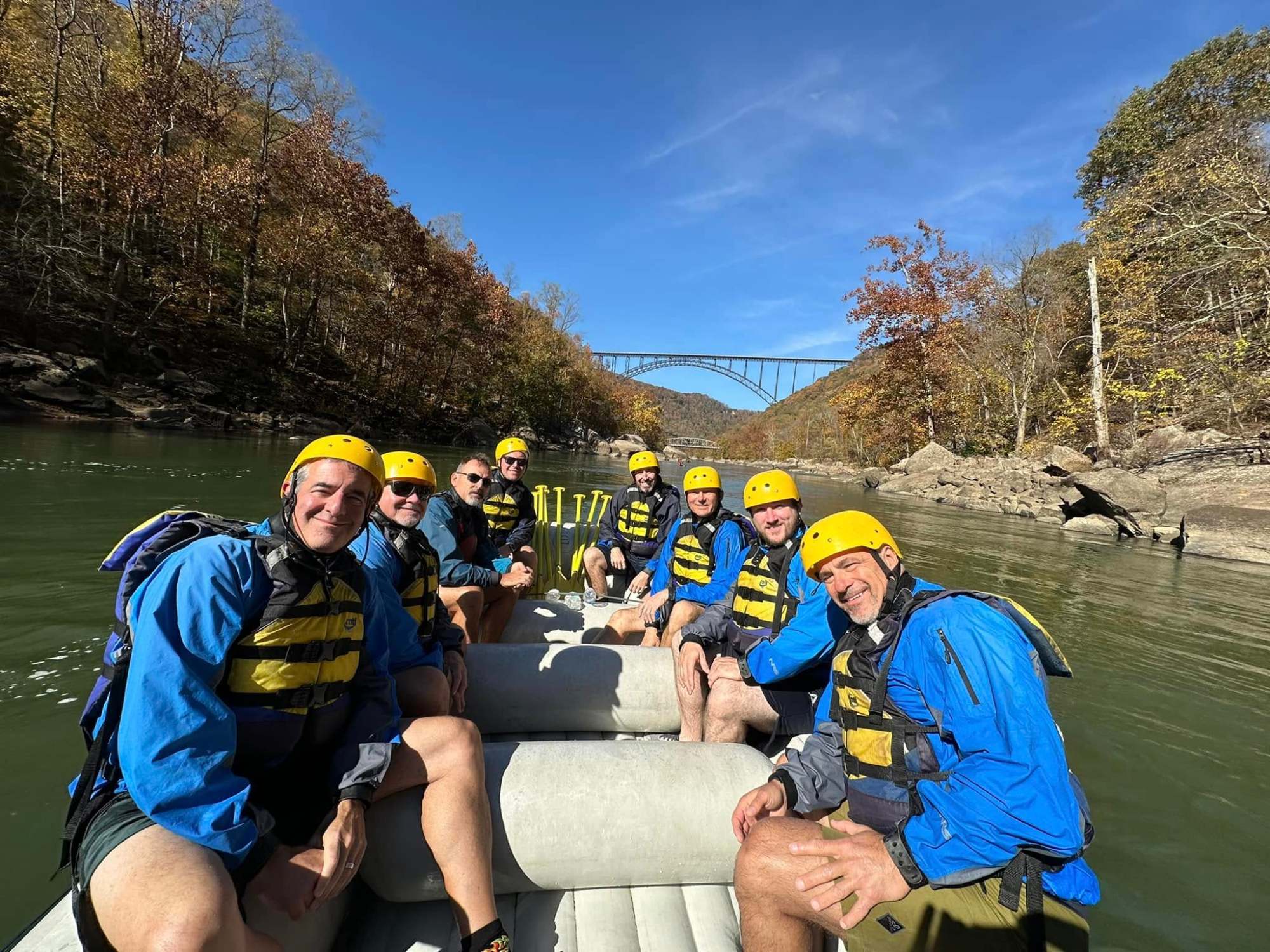
The first rapid has a way of settling the question everyone asks in the parking lot: “Can I really do this?” On guided rafting trips, the answer is usually yes – with the right river, a good guide, and a crew ready to listen, paddle, laugh, and get a little wet. In the New River Gorge, that can mean a relaxed family float beneath towering canyon walls or a hard-charging day of Class III and IV whitewater.
The best rafting day is not always the biggest one. It is the one that matches your group’s confidence, age range, energy, and idea of fun. A family with younger kids may remember the swimming spots and the guide’s river stories most. A group of friends may be chasing the moment a wave crashes over the boat and everybody comes up yelling. Both belong on the river.
What a Guide Brings to the Boat
Whitewater looks wild because it is wild. Rivers change with rainfall, seasons, water levels, and the simple fact that moving water never takes the same shape for long. A professional guide reads those changes, chooses the right line through rapids, sets the pace for the boat, and teaches the crew how to work together.
That does not mean guests sit back and watch. Rafting is more fun when everyone has a job. Your guide will explain paddle commands, show you where to sit and hold on, cover what to do if you end up in the water, and keep instructions clear when the river gets loud. First-time paddlers often find that the rhythm clicks faster than expected: forward paddle, back paddle, get down, hold on, celebrate.
Guides also know when to slow the day down. They point out the cliffs, wildlife, historic landmarks, and quiet stretches that make the New River Gorge more than a series of rapids. That balance is a big reason guided rafting trips work so well for mixed-experience groups. You get the thrill without having to carry the pressure of navigating it yourself.
Choose Guided Rafting Trips by River Level
A trip description should tell you more than how long you will be on the water. Look at the river section, typical rapid class, age and weight requirements, and whether the experience is built for first-timers, returning adventurers, or experienced whitewater fans. Conditions can affect eligibility and trip intensity, so a reputable outfitter will give you straightforward guidance before your day begins.
Beginner-friendly floats and mild whitewater
If your group includes children, nervous first-timers, or people who mainly want to enjoy the scenery, start with a gentler option. A float trip can still include splashes, swimming, games, and plenty of time in a raft, but it does not ask everyone to charge into big technical rapids before they are ready.
This is also a smart choice for a multigenerational family reunion or a school group with a wide range of comfort levels. Nobody has to prove anything. The goal is shared time outdoors, a few good stories, and the confidence that comes from trying something new in a well-managed setting.
Intermediate New River whitewater
For many visitors, the New River is the sweet spot. It brings legitimate whitewater excitement, beautiful canyon scenery, and a progression of rapids that lets a crew learn as the day unfolds. You may get a calm stretch to regroup, then hear the next rapid before you see it. That anticipation is part of the fun.
Intermediate rafting is a strong fit for active families with older kids, couples looking for an adventure date, and friends who want a vacation story that beats another afternoon by the pool. You do not need previous rafting experience, but you should be prepared to paddle, follow directions, and embrace the possibility of a full-face splash.
Advanced Lower Gauley whitewater
Some crews come to West Virginia for the big stuff. The Lower Gauley River delivers powerful rapids, technical lines, and the kind of whitewater that keeps experienced paddlers talking long after the shuttle ride back. This is not a casual float with a few bumps. It is a physical, high-energy river day for guests who meet the experience and eligibility requirements.
Advanced rafting rewards preparation. Listen closely during the safety talk, arrive rested, wear the gear provided correctly, and be honest about your comfort level. The most satisfying challenge is one you are ready for. A great outfitter will never sell a harder trip just because it sounds impressive.
Plan for the People, Not Just the Rapids
When choosing a rafting trip, think about the people in your boat before you focus on the biggest rapid class. Is this your child’s first outdoor adventure? Is someone recovering from a fear of water? Does your friend group want maximum adrenaline? Are you organizing 30 scouts, a corporate team, or a church group with different fitness levels?
Those answers shape the right day. Large groups especially benefit from working with an outfitter that can organize equipment, guides, timing, safety procedures, and transportation without turning the outing into a logistics puzzle. The best group trips still feel personal. People should know where to go, what to bring, and what is expected before they ever step toward the river.
There can be trade-offs. A milder trip may welcome more ages and abilities, while an advanced run can create a bigger adrenaline rush for a smaller eligible group. One option is not better than the other. The right choice is the one that leaves your crew talking about how much fun they had, not wishing they had picked a different level.
What to Expect on Rafting Day
A well-run day begins before the raft reaches the water. Plan to arrive on time, complete required paperwork, and pay attention during check-in. Your outfitter will provide the core safety gear, typically including a personal flotation device and helmet when the trip calls for one. Guides will fit that equipment and explain how it should feel before launch.
Wear clothing that can get wet and shoes that stay on your feet. Avoid loose flip-flops. Bring sunscreen, a secure way to manage any necessary medication, and a change of dry clothes for afterward. Leave valuables behind unless you have a reliable waterproof storage plan. River water and phones are not natural friends.
The safety orientation matters, even if you have rafted before. You will review commands, seating positions, how to handle a swim, and what to do if the raft flips. Hearing the plan does not make the trip less exciting. It gives you the confidence to enjoy the exciting parts when they arrive.
On the water, be ready for a mix of teamwork and surprise. Some rapids require strong, coordinated paddling. Others ask you to hold a position while your guide maneuvers the raft. Between rapids, there is time to take in the gorge, trade stories with the boat, and realize that the person who was most nervous at check-in is now asking when the next big wave is coming.
Safety Is Part of the Adventure
A safety-focused rafting experience is not timid or overly scripted. It is organized. Guides train for river rescue, know their sections of water, maintain equipment, monitor conditions, and make decisions based on the actual river rather than a fixed plan. Sometimes that means adjusting an itinerary, changing a launch plan, or recommending a different trip. That is good judgment at work.
Guests have a role in safety, too. Follow guide instructions quickly, wear your flotation device correctly, speak up about medical concerns or uncertainty, and do not show up impaired. Whitewater is a team sport. Every person in the raft contributes to the day.
At West Virginia Adventures, the family-owned approach shows up in the details: experienced guides, clear trip options, thoughtful group logistics, and a genuine interest in helping guests find the river day that fits. That matters whether you are bringing your own family, a full scout troop, or a group of friends who have been planning this trip for months.
Make Room for the Rest of the Story
Rafting is often the headline of a New River Gorge visit, but it does not have to be the only plan. Give yourself time afterward to dry off, look through trip photos, grab food, trade favorite moments, and enjoy the feeling of having earned a good night’s sleep. If you are staying nearby, a cabin and a slower next morning can turn one rafting trip into a real getaway.
Most people remember a rapid by the name their guide gave it, a friend’s expression in the splash zone, or the instant the whole boat found its paddling rhythm. Pick the guided trip that fits your crew, show up ready to participate, and let the river give the day its own ending.