Corporate Rafting Team Building That Works
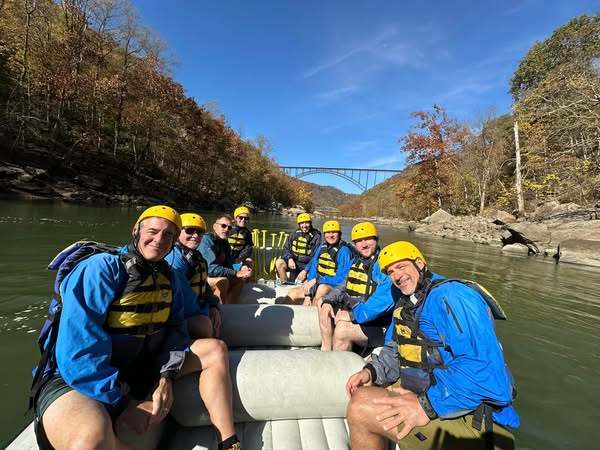
A conference room can hide the habits that shape a team. On the river, they show up fast. Corporate rafting team building puts people in a shared boat with a clear objective, changing conditions, and plenty of reasons to communicate. The result is not a forced trust fall or another catered lunch. It is a day your team will still be talking about when they are back at work.
In the New River Gorge, the experience starts with a guide, a safety talk, and the satisfying moment when everyone realizes they are about to paddle together. Some teammates may arrive ready for rapids. Others may be quietly wondering whether they made a mistake. A well-planned rafting day makes room for both, building confidence before the first big splash.
Why Corporate Rafting Team Building Feels Different
Most workplace activities are designed around conversation. Rafting gives conversation a job. People need to listen when the guide calls instructions, paddle with timing, encourage the person next to them, and reset after a missed stroke or a surprise wave. Nobody needs to be an expert to contribute, but everybody has a role.
That is where the value lives. A teammate who is usually quiet in meetings may become the person keeping the boat focused. A manager who normally has all the answers gets to laugh when the river sends a little water over the side. The hierarchy softens, and people see one another as capable, funny, calm under pressure, or wonderfully determined.
There is also a healthy dose of perspective. Completing a rapid together creates a genuine shared win. It is not manufactured enthusiasm. It is the quick look around the raft that says, “We did that.” Those moments make better material for connection than a name tag and an icebreaker ever could.
Pick the Right River, Not the Biggest Rapids
The best team outing is not automatically the most extreme one. For many corporate groups, a guided New River trip offers the sweet spot: active, scenic, exciting, and approachable for first-time rafters. Teams can enjoy real whitewater without making the day feel like an audition for an action movie.
A higher-adrenaline option can be a great fit for a smaller group of experienced, adventure-minded coworkers. The Lower Gauley River brings bigger challenges and is better suited to participants who are comfortable with a more demanding whitewater experience. If your group includes mixed fitness levels, first-timers, or people who are nervous around water, choosing a trip with a manageable difficulty level usually leads to more participation and more fun.
That choice matters more than bravado. One person feeling pressured to take on a trip beyond their comfort level can change the energy of the whole day. A good outfitter will ask about your group, explain the options clearly, and help you choose a trip that feels exciting without leaving people behind.
The goal is participation, not proving something
Corporate groups often make the mistake of planning for the loudest voices in the room. Instead, plan for the whole boat. Consider your group size, ages, swimming comfort, outdoor experience, schedule, and appetite for adventure. Be honest about who is likely to be eager and who may need reassurance.
A well-matched trip gives hesitant participants time to settle in, lets confident paddlers enjoy the action, and gives everyone a chance to finish the day proud of themselves. That is a stronger team-building outcome than simply booking the toughest rapids available.
What a Well-Run Rafting Day Looks Like
Good logistics are the difference between an easy group adventure and a stressful one. Your team should know where to meet, when to arrive, what clothing works on the water, and what is provided. Guides should cover the essentials before launch: how to wear safety gear, where to sit, how to hold a paddle, what commands mean, and what to do if someone ends up in the water.
That briefing does more than prepare people for the river. It creates a level starting point. The seasoned camper and the coworker who has never worn a life jacket receive the same clear instruction. Once the boat pushes off, nobody has to pretend they already know what they are doing.
Experienced guides also know how to read a group. They can bring the energy when a boat is ready to celebrate and offer calm direction when someone needs a little extra encouragement. At West Virginia Adventures, that personal, guide-led approach helps groups spend less time worrying about details and more time enjoying the day together.
Plan enough time around the river, too. Do not schedule a full morning of presentations, rush everyone into a vehicle, then expect the group to be relaxed at check-in. Give people room to arrive, get changed, ask questions, and settle into the experience. If your team is traveling to the New River Gorge, consider leaving space afterward for a meal, a photo swap, or an easy evening around the cabins. The stories tend to get better once everyone is dry.
Build the Day Around a Real Team Goal
Rafting works well on its own, but a little intention makes it more meaningful. Before the trip, tell the group why you chose this kind of outing. Maybe the team has finished a demanding season, welcomed new hires, hit a major goal, or simply needs time away from screens and deadlines. Keep the message simple and sincere.
You do not need to turn the river into a leadership seminar. In fact, that can drain the fun out of it. A few prompts before or after the trip are enough: What helped the boat work well? When did someone’s encouragement matter? What did we do after things did not go as planned?
The answers often connect naturally to work without feeling scripted. Teams notice that clear communication matters when conditions change. They remember that staying calm helps others stay calm. They see that a strong group does not require everyone to have the same personality or confidence level.
Let the guides lead the river
Your job as organizer is to set expectations and create space for the team to enjoy itself. Let the rafting guides manage the water, safety procedures, and boat-level instruction. Trying to run your own games or deliver a speech between rapids can pull people out of the experience.
If you want to recognize employees or mark an occasion, do it before launch or after the trip. On the river, be present. Paddle, cheer for the other boats, laugh when you get splashed, and let your team see you participating alongside them.
Practical Planning for Group Organizers
Start planning early enough to give people choices and to coordinate transportation, waivers, and attendance. Ask your outfitter about group size, trip duration, minimum age requirements, clothing guidance, weather expectations, and how the day is structured. Clear answers help employees decide with confidence.
Make participation easy. Share a straightforward itinerary, explain that guides provide instruction and required safety equipment, and be transparent about the physical nature of the trip. Rafting is active, and participants should be ready to paddle, listen, and get wet. At the same time, first-time rafters do not need to arrive with technical experience.
Weather is part of an outdoor adventure, so frame it that way. A little rain can make a rafting day memorable, while guides and outfitters make operational calls based on river conditions and safety. Encourage your group to bring the recommended gear, dress for the forecast, and leave valuables secured rather than trying to carry them on the water.
For larger teams, think about the experience beyond a single raft. Boat assignments can mix departments, introduce newer employees to established team members, and avoid placing all the usual friend groups together. Keep it natural, though. The goal is fresh interaction, not a seating chart that feels like detention.
The Stories Last Longer Than the Splash
The strongest corporate outings give people something real to share afterward. Weeks later, someone will mention the rapid that surprised them, the guide’s joke at the perfect moment, or the coworker who kept the boat paddling when everyone else was laughing too hard. Those stories become part of the team’s shared language.
That is the real payoff of getting outside. A river day does not replace good leadership, thoughtful onboarding, or everyday communication. It does give those things a memorable place to grow. Choose a trip that welcomes your whole crew, trust the guides, and give your team permission to trade the usual routine for a paddle, a rapid, and a very good story.