
When Do Dam Releases Occur on the Gauley River?
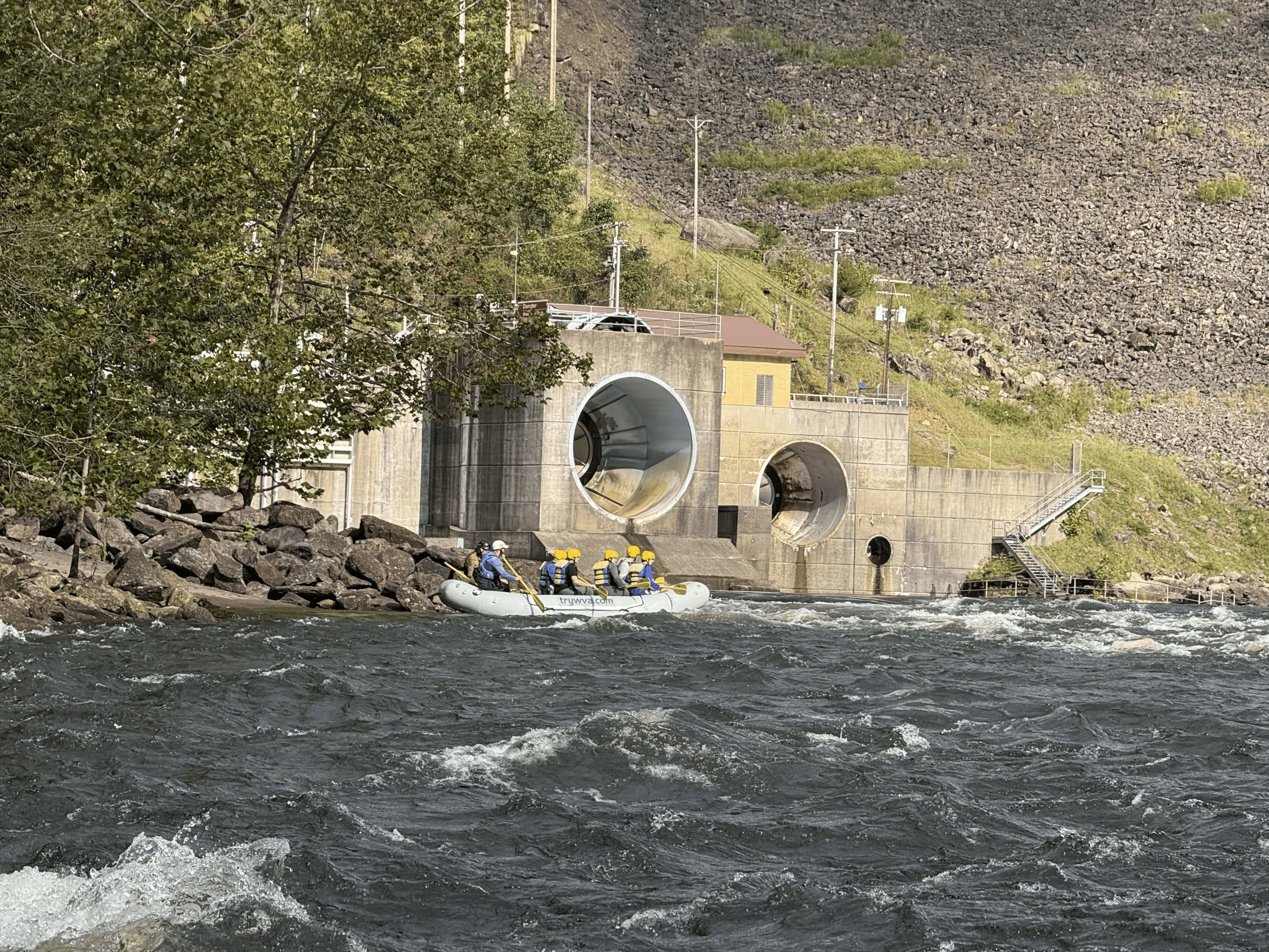
The question “when do dam releases occur” can be the difference between a pleasant day on the water and the full-throttle whitewater story your group came to West Virginia to make. Around the New River Gorge, release timing matters most on the Gauley River, where water released from Summersville Dam transforms sections of the river into one of the country’s most famous rafting runs.
For visitors, the simple answer is this: Gauley River dam releases are typically scheduled on select fall weekends. But the useful answer involves understanding why those dates exist, what they mean for river conditions, and how to choose a trip that matches your crew’s comfort level.
When Do Dam Releases Occur on the Gauley River?
The U.S. Army Corps of Engineers generally schedules controlled releases from Summersville Dam during the fall, most often from September through October. These release weekends are commonly known as Gauley Season. They are planned in advance, although the exact calendar can change from year to year based on dam operations, water management needs, and operational conditions.
During a release, water flows from Summersville Lake through the dam and into the Gauley River. That added flow creates reliable, high-energy whitewater below the dam. It is why paddlers travel from across the country for the Upper Gauley and why the Lower Gauley becomes a bigger, more technical adventure than it is under natural low-water conditions.
For rafting guests, the key takeaway is not to assume every fall day is a release day. If the Gauley is on your wish list, select a trip specifically scheduled for a release weekend and confirm the current date with your outfitter before making travel plans.
Why Dams Release Water
A dam release is not simply a switch flipped for recreation. Reservoirs and dams are managed for practical purposes that can include flood-risk management, water supply, downstream flow management, infrastructure operations, and environmental considerations. Recreation may be part of the planning picture, but it is not the only factor.
At Summersville Dam, scheduled releases create dependable rafting conditions that would be difficult to predict from rainfall alone. That consistency helps outfitters prepare guides, safety teams, transportation, and trip logistics. It also gives guests a better chance to plan a true whitewater vacation instead of hoping the river level cooperates.
The water can feel dramatically different once a release begins. Rapids become larger and faster, waves stack up in channels, and the river carries more power. For experienced paddlers, that is the draw. For first-timers, it is a reminder that trip selection matters just as much as enthusiasm.
What a Release Means for Your Rafting Trip
On a scheduled Lower Gauley trip, expect a high-adventure day with Class III and IV whitewater, big scenery, and plenty of moments that have the boat cheering together. The Lower Gauley is often the better fit for adventurous guests who are ready to step up from beginner rafting but do not necessarily want the most demanding run in the region.
The Upper Gauley is a different level of commitment. It is known for powerful Class IV and V whitewater, technical lines, and legendary rapids that require strong teamwork. This is not a casual float with a few splashes. It is an advanced rafting experience for guests who are comfortable with intensity, have the appropriate age and fitness level, and want a serious whitewater challenge.
A release day does not mean every moment is chaos. There are calmer stretches to catch your breath, take in the gorge, and hear your guide explain what is ahead. Still, the current is moving with purpose. Guides give clear instructions because timing, paddle strokes, and staying in the boat all matter more in big water.
That is part of what makes guided rafting so valuable. Your crew gets the excitement without having to decode river hazards, scout every rapid, arrange shuttles, or make on-the-spot decisions about whether conditions suit your group.
The Gauley River Is Not the Only Option
Not every West Virginia adventure needs a dam release to be memorable. The New River is largely free-flowing, meaning its water levels are influenced more directly by rain, seasonal flow, and watershed conditions than a scheduled release from a reservoir dam.
That makes the New River a great choice for families, first-timers, mixed-age groups, and anyone who wants classic Appalachian scenery alongside approachable whitewater. Conditions still vary, as all rivers do, but the trip experience is not tied to the fall release calendar in the same way as the Gauley.
If your group includes a nervous first-timer, younger kids who meet the trip age requirements, or relatives with very different adventure appetites, choosing the right river is often smarter than trying to force everyone onto the biggest available water. A great rafting day should leave people proud, not overwhelmed.
West Virginia Adventures helps guests make that call based on the river, the season, the group’s ages, and each person’s comfort level. There is no prize for selecting a trip that is too difficult. The best story is the one everybody wants to tell again at dinner.
How to Plan Around a Dam Release Weekend
Release weekends are popular for good reason, so planning ahead makes the experience easier from the start. Lodging, rafting seats, restaurants, and other New River Gorge activities can fill quickly during Gauley Season, especially around peak fall color.
Start by deciding what kind of day you want. Are you seeking an advanced, bucket-list whitewater run? Are you looking for a challenging but more accessible Lower Gauley experience? Or does your group need a New River trip that brings the fun without the same level of intensity?
Once you choose the river, book early and arrive with enough time to relax. A rushed morning is no one’s favorite start to a big-water day. Follow your outfitter’s packing guidance, wear secure footwear, and plan to get wet. On cooler fall days, your outfitter may provide or recommend cold-weather gear based on conditions.
Bring your questions, too. Good questions include whether the trip is suitable for your group’s ages and experience, how long the full day will take, what swimming ability is expected, and what happens if weather or operations affect the schedule. A professional outfitter should answer plainly and help you choose with confidence.
Can Release Dates Change?
Yes. Scheduled dates are useful for planning, but dam operations always come first. Weather, reservoir levels, mechanical considerations, and water-management needs can affect releases. That is why it is wise to treat a posted schedule as a plan rather than an absolute promise until your trip is confirmed.
This is especially true when you are traveling from out of state or organizing a larger group. Schools, scouts, corporate teams, reunions, and church groups should build in clear communication with their outfitter early in the process. A little planning helps the day run smoothly, from check-in and gear fitting to transportation and post-trip photos.
If a release schedule shifts, a knowledgeable local outfitter can help you understand your options. Depending on the circumstances, that may mean moving to another date, selecting a different river experience, or adjusting expectations around water levels. Flexibility is useful, but you should never have to guess alone.
Safety on Release Days Starts Before Launch
Big water is fun because it is powerful. Respecting that power is how you get the most out of it.
Professional guides begin with a safety talk covering paddle commands, where to sit, how to hold on, what to do if you fall into the water, and how the team works together. Listen closely, even if you have rafted before. Every river and every flow level has its own personality.
You can do your part by arriving rested, staying hydrated, wearing the required safety gear correctly, and being honest about your experience. If a guide says a trip is not the right match for someone in your party, that advice comes from knowing the river – and wanting everyone to have a safe, memorable day.
Release weekends offer one of the most exciting ways to experience West Virginia whitewater. Pick the trip that fits your crew, trust the guides, and when the dam opens and the river comes alive, be ready to paddle hard and make a story worth bringing home.