
Rapid Classification Guide for New River Rafters
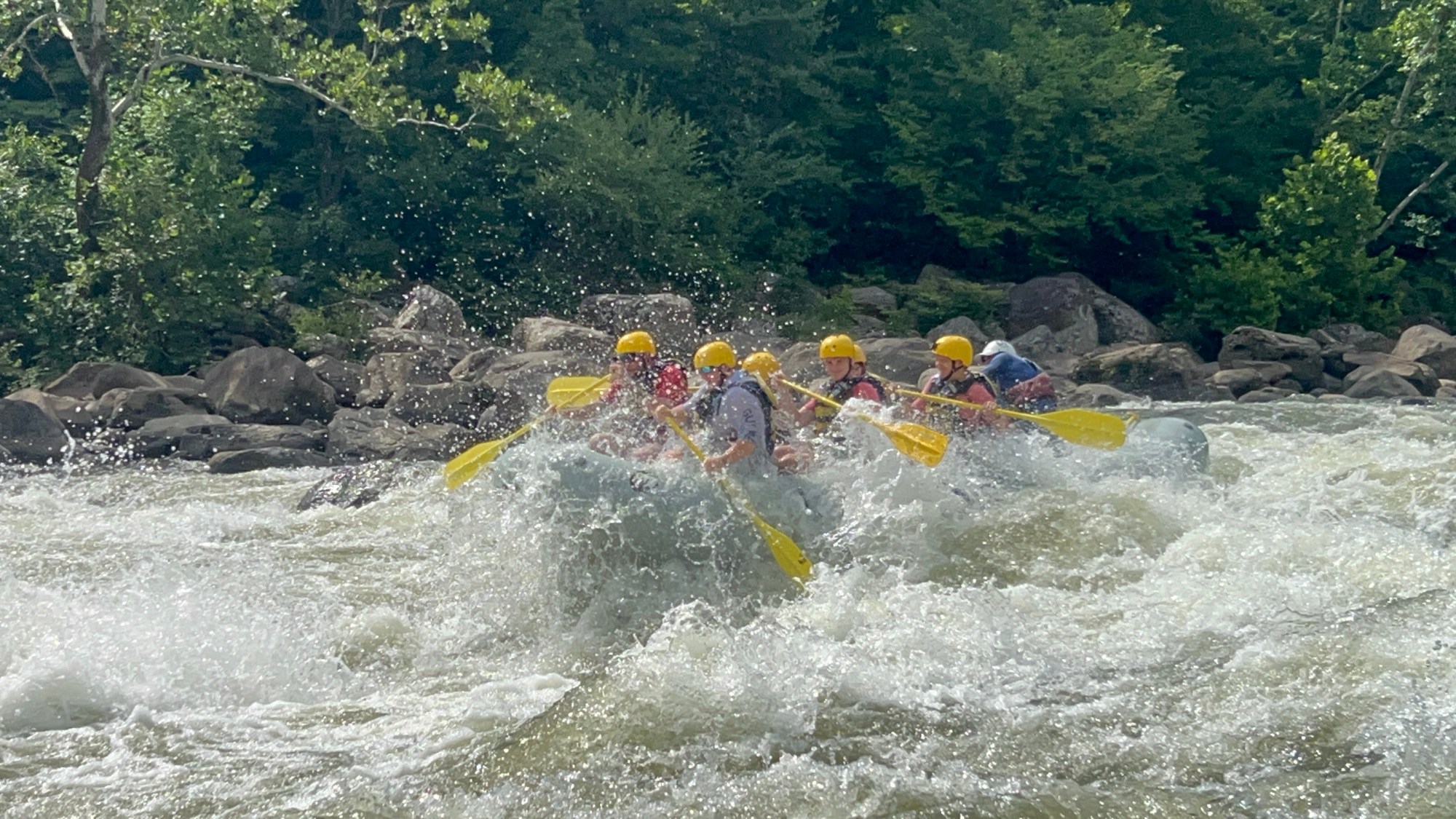
A rapid can look like a playful wave train from the riverbank and feel completely different once you are in the boat, paddling hard toward a wall of whitewater. That is why a rapid classification guide is useful when you are planning a New River Gorge rafting trip. It gives you a shared language for comparing river difficulty, but it does not tell the whole story.
Whitewater classes help guests understand the general challenge of a rapid or trip. Your guide, the day’s water level, the weather, your group’s comfort level, and the river’s character all matter too. A Class III rapid on one river may feel more demanding than a Class III somewhere else. The good news is that a guided trip is built around that reality: experienced guides read the conditions, coach the crew, and keep the day fun from the first paddle stroke to the last big splash.
Rapid Classification Guide: What the Classes Mean
The International Scale of River Difficulty generally runs from Class I through Class VI. For most vacation rafters, Class I through Class IV are the ratings that matter most. These ratings describe technical difficulty, obstacles, waves, and the consequences of a swim, not whether a trip is “good” or “bad.” A mellow float can be every bit as memorable as a rowdy rapid when you are sharing it with the right people.
Class I: Easy Moving Water
Class I water has small waves, few obstacles, and straightforward routes. Think gentle current, plenty of room to drift, and time to take in the cliffs, trees, and blue sky overhead. It is a comfortable place for young paddlers, first-time boaters, and anyone who wants more scenery than spray.
That does not mean Class I is a free-for-all. Guides still cover river safety, life jacket fit, paddle basics, and what to do if someone unexpectedly ends up in the water. Those habits make an easy day feel relaxed for the right reasons.
Class II: A Little More Action
Class II rapids bring wider channels, noticeable waves, bends, and easy-to-spot obstacles. Rafters may need to paddle together to stay on the intended line, but the route is usually clear once your guide points it out. This class is a great confidence-builder for families and groups with mixed experience.
You will feel the boat rise and fall, hear the water pick up its pace, and probably get wet. The challenge is approachable, especially with a guide calling commands and a crew willing to work as a team.
Class III: Real Whitewater, Big Grins
Class III is where many guests discover why rafting becomes a tradition. Expect larger waves, stronger currents, more maneuvering, and sections where the whole boat needs to paddle with purpose. Rapids can have irregular wave patterns and obstacles that require a guide to choose a clean route.
For active first-timers, Class III can be an exciting sweet spot. It delivers the rush people came for without requiring previous rafting experience. Still, it depends on the person. Someone who is uneasy around water or does not want a bouncy, splashy ride may have more fun on a gentler option.
Class IV: Advanced and Committed
Class IV whitewater is serious fun. Rapids often feature powerful waves, tighter maneuvering, fast decisions, and more complex routes. The crew’s timing matters, and your guide’s experience matters even more. This is the kind of whitewater that creates loud boats, soaked smiles, and stories that keep getting better around the campfire.
Class IV is best for adventurous guests who are comfortable with a higher level of intensity and ready to follow instructions quickly. You do not need to be an expert paddler to enjoy a guided Class IV trip, but you should be ready for physical paddling, unpredictable splashes, and a ride that asks you to stay engaged.
Class V and Beyond: Expert Terrain
Class V rapids involve long, obstructed, or highly technical stretches where consequences are more significant and rescue can be difficult. These runs are for highly skilled, experienced paddlers and specialized operations. Class VI is considered unrunnable or rarely attempted, even by experts.
If you are booking a commercial rafting vacation, do not treat the Roman numeral as a badge to chase. The best trip is the one that matches your group’s ability, expectations, and appetite for excitement.
Why Rapid Ratings Can Change
A rapid is not fixed like a roller coaster track. Water levels change its shape, speed, and power. At lower water, rocks may be more exposed and routes can become technical. At higher water, some rocks disappear but waves grow larger, currents move faster, and holes can become more powerful.
That is why trip descriptions usually give a general class range rather than promising that every wave will feel exactly the same every day. Seasonal rain, dam releases, and natural river flow all influence conditions. A professional outfitter evaluates the river before launching and makes operational decisions with safety at the center.
Ratings also vary by river. A Class III section with long pools between rapids may feel different from a Class III run that stays active mile after mile. The length of the trip, water temperature, distance from the road, and the number of challenging rapids in a row all shape the overall experience.
Choose the Right Trip for Your Crew
When you are selecting a rafting trip, start with an honest conversation, not the toughest number on the chart. Are you bringing kids who are excited but nervous? Is this a reunion with grandparents and teenagers? Are your friends looking for the biggest waves they can reasonably handle? The answers point toward the right river day.
For first-time families, a float or lower-intensity whitewater option can offer plenty of shared adventure while leaving room to enjoy the New River Gorge scenery. For active friends, couples, and returning rafters, intermediate whitewater provides a stronger challenge and the satisfaction of working together through bigger rapids. Advanced guests may want a trip with sustained Class III and IV action, provided everyone in the boat is prepared for the pace.
Age, swimming ability, medical considerations, and comfort in moving water should all be part of the decision. Swimming ability is valuable, but it is not the only factor. A calm, attentive guest who listens well may be more prepared for a guided whitewater day than someone who is athletic but unwilling to follow direction.
Group organizers have another layer to consider. A school, scout troop, athletic team, church group, or corporate crew often includes a broad range of confidence levels. The strongest plan is usually not choosing the hardest trip a few people can handle. It is choosing an experience where the full group can participate, feel supported, and come home with the same stories.
What Your Guide Adds to the Experience
A classification tells you about the water. It cannot capture what happens in the boat. Before launch, guides explain how to hold a paddle, sit safely, respond to commands, and help a teammate. On the river, they read currents, position the raft, choose lines, and adjust their approach as conditions demand.
They also bring the energy. A great guide knows when to coach, when to crack a joke, and when to let everyone take a quiet look at the gorge around them. At West Virginia Adventures, that combination of knowledgeable guidance and personal attention helps turn a day of rapids into a trip people talk about for years.
A Better Question Than “What Class Is It?”
Ask what the trip feels like. Is it scenic and relaxed? Splashy and confidence-building? Fast, physical, and packed with big-water moments? Those answers make a rating more useful than the numeral alone.
Read the trip details, pay attention to age and participation requirements, and tell your outfitter what your group is hoping for. There is no prize for picking a level that leaves half the boat stressed. There is a lot to be said for choosing the trip that lets everyone paddle hard, laugh louder, and step off the raft already planning the next adventure.