
Essential Rafting Gear for Your River Day
The right essential rafting gear does more than keep you comfortable. It lets you focus on the splash, the scenery, your crew, and that unmistakable rush when the raft drops into its first big wave. For a guided trip in the New River Gorge, packing well is refreshingly simple: bring items that work when wet, listen to your guide, and leave anything you would hate to lose safely behind.
A little preparation goes a long way, especially when your group includes first-timers, kids, or someone who is excited about the trip but unsure about the rapids. Here is what belongs in your river-day plan – and what your outfitter should already have covered.
Essential Rafting Gear Your Outfitter Provides
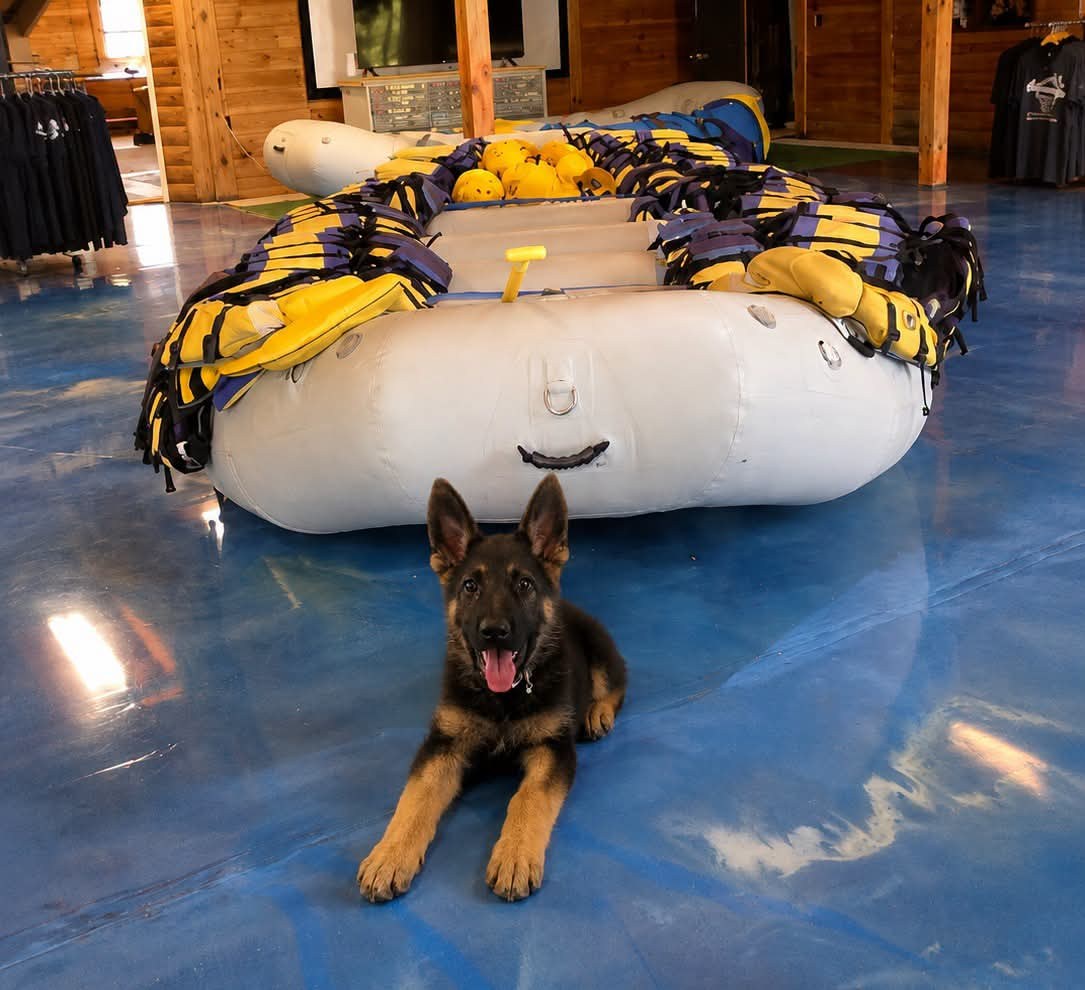
On a professionally guided rafting trip, the core safety equipment is supplied and fitted by the outfitter. That starts with a properly sized personal flotation device, often called a PFD or life jacket. Your PFD stays on from the safety talk until you are off the river. It is designed for whitewater use, not just for lounging near a lake, and a guide will make sure the straps are snug enough to do their job.
You will also receive a paddle and, on trips where conditions and difficulty call for it, a helmet. The raft itself, rescue equipment, first-aid supplies, and guide communication systems are part of the operation behind the scenes. Good guides make this look easy, but there is serious preparation in every trip: checking river conditions, matching guests to the right run, reviewing paddle commands, and setting the tone before anyone hits the water.
That is one reason guided rafting works so well for mixed-experience groups. You do not need to buy a garage full of technical equipment before trying whitewater. You need a trusted outfitter, a willingness to learn a few commands, and clothes that will be comfortable all day.
What to Wear for Whitewater Rafting
Your clothing should be chosen for the water temperature, the weather, and the likelihood that you will get soaked. Spoiler: you probably will. Even on a mellow float trip, splashes and drips are part of the fun. On a more active New River or Lower Gauley River trip, getting wet is practically guaranteed.
For warm-weather rafting, a swimsuit, athletic shorts, and a quick-drying T-shirt or sun shirt are usually a great starting point. Synthetic fabrics are your friend because they dry faster and stay lighter than cotton. A rash guard can add sun protection without feeling bulky, while a lightweight pair of quick-dry shorts gives you coverage without holding water.
Avoid denim, heavy sweatpants, or a cotton hoodie. Once soaked, cotton becomes cold, heavy, and slow to dry. It can turn a beautiful day into a shivery one, particularly when clouds roll in or the river water is cooler than the air.
Cooler conditions call for layers, not just thicker clothes. A moisture-wicking base layer under a synthetic long-sleeve top can make a big difference. Depending on the season and river conditions, your outfitter may recommend additional gear such as a splash jacket or wetsuit. Ask before your trip rather than guessing. The best clothing choice in July may be completely wrong for a crisp fall morning.
Footwear That Stays Put
Secure shoes are a must. Closed-toe water shoes, old sneakers with a solid sole, or sport sandals with a heel strap are all dependable options. You want footwear that can handle a rocky shoreline, stay on if you step into moving water, and protect your feet around the raft.
Flip-flops are not a good choice. They disappear quickly in current and offer almost no protection when you are carrying gear or walking across uneven ground. Bare feet are also a no-go. If your shoes are old, that is fine – just make sure they are not falling apart before launch day.
The Small Gear That Makes a Big Difference
The best rafting packing list is short because space in a raft matters. Bring what you need for the day, not every item from your trunk. These practical extras earn their place:
- Sunscreen that is water-resistant, applied before you arrive and reapplied after the trip if needed.
- A pair of sunglasses with a retention strap, so they do not become river treasure on the first rapid.
- A hat with a strap or secure fit for extra shade at the put-in and take-out.
- A reusable water bottle for before and after your trip, unless your outfitter gives different instructions for on-river hydration.
- A dry change of clothes, dry shoes, and a towel waiting in your vehicle or designated post-trip area.
- Any necessary medications, including an inhaler or EpiPen, shared with your guide before the trip begins.
Sunscreen deserves special attention in the gorge. You may feel cool because of the river and moving air, but sunlight reflects off the water and sneaks up on people fast. Cover your shoulders, face, ears, and the tops of your legs. If you are prone to sunburn, a long-sleeve UPF shirt is often easier than trying to remember another sunscreen application.
A dry outfit after rafting is one of those small decisions that feels brilliant later. Your ride back, your cabin porch, and your post-trip meal are all more enjoyable when you can trade damp shorts for something warm and comfortable.
Cameras, Phones, and Other Valuables
A river day is full of photo-worthy moments, but your phone is not essential rafting gear. It is a risk calculation. Even in a waterproof case, a phone can be dropped, damaged, or lost. If you bring one, use a truly waterproof case with a secure tether, and understand that no case is a guarantee in whitewater.
Many guests find it more relaxing to leave their electronics behind and let the trip photographer capture the action. You are far more likely to remember the rapid when you are paddling through it than when you are trying to protect a screen.
The same goes for jewelry, car keys, and anything sentimental. Bring only what you need. Store valuables securely according to your outfitter’s instructions, and do not wear loose items that could snag or disappear. A simple rule works well: if losing it would ruin your day, leave it off the river.
Match Your Gear to the Trip You Booked
Not every rafting day has the same demands. A family-friendly float trip may mean a warmer day, gentler water, and more time to enjoy the scenery. An intermediate Class III or IV adventure calls for the same smart clothing and secure footwear, but it brings more splashing, more paddling, and a stronger reason to keep every personal item minimal.
Advanced whitewater, including challenging Lower Gauley River runs, deserves an even more careful approach. Follow the outfitter’s recommendations on clothing, helmets, timing, and personal gear. Experience helps, but the river still sets the terms. Conditions can change with water releases, weather, and the season.
For first-time paddlers, do not confuse packing light with being unprepared. Your guide’s safety briefing is part of your gear plan. Pay attention to how to hold the paddle, where to sit, what commands sound like, and what to do if you end up in the water. Knowing those basics builds real confidence before the first wave hits.
Questions to Ask Before You Arrive
A quick call or reservation note can eliminate last-minute uncertainty. Ask whether helmets are required for your specific trip, whether wetsuits or splash gear are recommended, where guests can change, and what storage is available for dry belongings. If you are bringing children, confirm age and weight requirements along with the best footwear and clothing for the day.
Group organizers should also share any medical concerns, swimming ability questions, or accessibility needs ahead of time. This is not about talking anyone out of an adventure. It helps the team plan thoughtfully, pair guests with the right trip, and make the day feel organized from check-in to take-out.
At West Virginia Adventures, the goal is not to make you look like a professional paddler before you arrive. It is to make sure you feel ready to become part of the crew. Wear clothes that can get wet, secure your shoes, protect yourself from the sun, and bring a dry layer for afterward. Then listen for the command to paddle forward – your next river story is waiting.