
How Safe Is Guided Rafting for First-Timers?
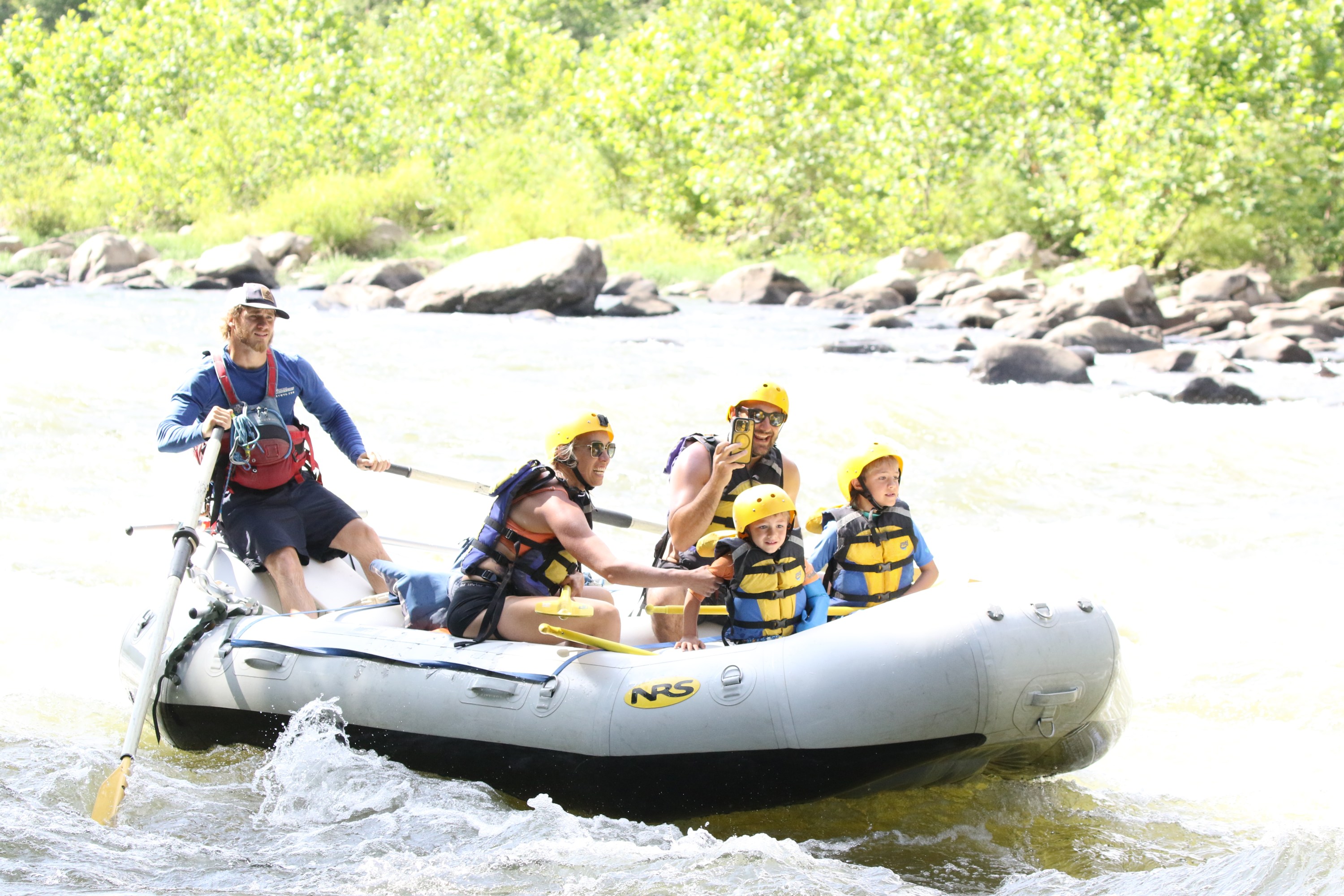
The first splash over the side of the raft is usually the moment nerves turn into laughter. Still, it is fair to ask: how safe is guided rafting when the river is moving fast, the rocks are real, and you have never held a paddle before? Guided rafting is designed to manage those realities with trained leadership, appropriate equipment, and a river trip matched to the people in the boat. It is an outdoor adventure, not a risk-free amusement ride, but a reputable outfitter gives first-timers a very different experience from trying to navigate whitewater alone.
How safe is guided rafting, really?
Guided rafting is generally a safe way for appropriately prepared participants to experience whitewater, especially when the trip level fits the group and everyone follows the guide’s direction. A professional guide is not along just to point out scenery or tell a good river story. They read currents, choose lines through rapids, position the raft, coach the crew, and make decisions based on water levels, weather, and the needs of the guests.
Safety starts long before the raft reaches the river. Outfitters inspect rafts and paddles, fit each guest with a properly sized personal flotation device, provide helmets when the trip calls for them, and hold a safety talk before launching. That briefing covers the skills that matter most: how to hold a paddle, where to sit, what commands mean, what to do if you fall in, and how to help someone else safely.
The goal is not to make whitewater feel scary. It is to make sure everyone understands that rafting works best as a team activity. The guide steers and calls the moves, while the crew paddles together. When a boat listens, reacts, and stays engaged, it is far more prepared for the surprises that make rafting exciting in the first place.
What makes a guided trip safer than going on your own?
Whitewater rivers change. Rainfall can raise water levels, current speeds can vary, and the same rapid may feel entirely different from one week to the next. Experienced local guides spend their seasons learning those changes firsthand. They know the river’s channels, eddies, rocks, and common trouble spots, and they know when conditions call for a different plan.
A guided trip also includes a coordinated operation around the raft. There are trip leaders, shuttle systems, safety procedures, communication plans, and staff prepared to respond if a guest needs help. Before any trip, guides consider the group, the route, the day’s conditions, and the equipment required. That planning is easy to overlook when the day is all sunshine, splashes, and big smiles, but it is one of the most valuable parts of booking with a professional outfitter.
Just as important, guides can spot concerns early. A guest who is anxious may need a calmer explanation and a seat that feels more comfortable. A group that is not paddling in sync may need extra practice before the first major rapid. A cold day may require a conversation about layers and staying warm. Good guiding is equal parts river skill, communication, and attention to people.
The river class matters more than bravado
Not all rafting trips are built for the same comfort level. River classifications are one useful way to understand what you are signing up for. Class I and II water is generally gentler and often suits families, younger paddlers, and anyone wanting a scenic introduction. Class III rapids bring more active waves, maneuvering, and teamwork. Class IV whitewater is more powerful and technical, with bigger consequences when the raft misses its intended line.
That does not mean Class IV is automatically unsafe or that Class II is automatically right for every person. It means the trip needs to fit the group. A confident athlete who has never rafted may still have a better first day on a moderate river than on an advanced run. A family with younger children may value swimming holes, scenery, and manageable splashes more than the biggest rapid available.
The New River Gorge is especially well suited to that kind of progression. Visitors can choose a calmer first rafting experience, step up to more active whitewater, or return for a higher-adrenaline challenge. At West Virginia Adventures, that range helps groups avoid the common mistake of choosing a trip based only on how wild it sounds online.
Water level can change the feel of the day
A rapid’s class is not the only factor. Water level matters. Higher water can mean faster currents, larger waves, and a more continuous ride. Lower water can reveal more rocks and require more precise maneuvering. Your outfitter may adjust the plan, recommend a different trip, or explain why a certain section is not running that day.
That is not a disappointment or a sign that something has gone wrong. It is sound judgment. The best rafting day is not always the biggest day on the river. It is the day that gives your group the right amount of challenge with the right margin for control.
Your choices are part of rafting safety
A guide handles the technical side, but guests have a real role to play. The simplest instructions are often the most important: wear your personal flotation device correctly, keep it fastened, listen during the safety talk, and follow commands promptly. If the guide says “hold on,” “get down,” or “paddle,” every second counts.
Come prepared for the conditions, too. Wear secure footwear that will stay on in moving water, not loose flip-flops. Choose quick-drying clothes, and bring layers when the day may be cool. Sunglasses should have a strap, and anything you cannot bear to lose should stay off the river or be stored according to the outfitter’s guidance.
Alcohol and recreational drugs do not belong on a rafting trip. Whitewater asks for awareness, balance, and quick reactions, even on a beginner-friendly river. The same goes for being honest during the reservation process. Let the outfitter know about non-swimmers, injuries, medical concerns, strong fears of water, or children near the minimum age requirement. Those details help staff recommend a trip that sets everyone up for a great day.
What if someone falls out of the raft?
It can happen, particularly on more energetic rapids, and it is one reason the pre-trip briefing matters. Guides teach guests to float on their backs with feet up and pointed downstream if they enter moving water, rather than trying to stand in a current where a foot could become trapped between rocks. They also explain how to grab a safety line, how to approach the raft, and why people should wait for clear instructions.
A surprise swim can feel dramatic, but guides train for it and crews practice the basics before they need them. The safest response is usually the least panicked one: float correctly, listen, and let the guide direct the recovery. A properly fitted life jacket provides buoyancy, while the guide and boat crew work together to bring the swimmer back to the raft or shore.
Is guided rafting safe for kids, families, and mixed groups?
Often, yes, provided the trip has age, size, and ability requirements that match the people attending. Families do not need to prove they are daredevils to have a memorable river day. A well-chosen float or beginner whitewater trip can give kids the thrill of splashing through waves while parents feel supported by a guide who knows exactly how to pace the experience.
For mixed groups, the best organizer is the person willing to choose for the least experienced participant, not just the loudest one. That does not mean everyone has to settle for boring. It means choosing a trip where nervous first-timers can build confidence and more adventurous guests can still have plenty to cheer about.
Groups such as scouts, schools, teams, reunions, and corporate crews should also expect clear communication before arrival. Confirm age limits, swimming expectations, required forms, arrival times, and clothing guidance. A smooth launch begins with a group that is checked in, geared up, and ready to listen.
Questions worth asking before you book
A trustworthy rafting outfitter should welcome practical questions. Ask which trip is best for your group’s ages and experience, what river conditions are expected, what safety gear is included, and what happens if weather or water levels change the plan. If someone in your party is unsure, say so. The answer should be helpful, not pushy.
You can also ask what physical participation is required. Most rafting does not demand elite fitness, but it does require guests to sit securely, hold a paddle, follow instructions, and handle changing conditions. Some trips have more demanding requirements than others. Being matched correctly is far more fun than spending the day wishing you had selected a different level.
The best first rafting trip leaves you with wet shoes, a camera roll full of big expressions, and a story your group keeps retelling on the ride home. Choose the river that fits, listen to your guide, and let a well-run day on the water turn those pre-launch nerves into the good kind of adrenaline.