
Float Trips Versus Rapids: Which Ride Fits You?
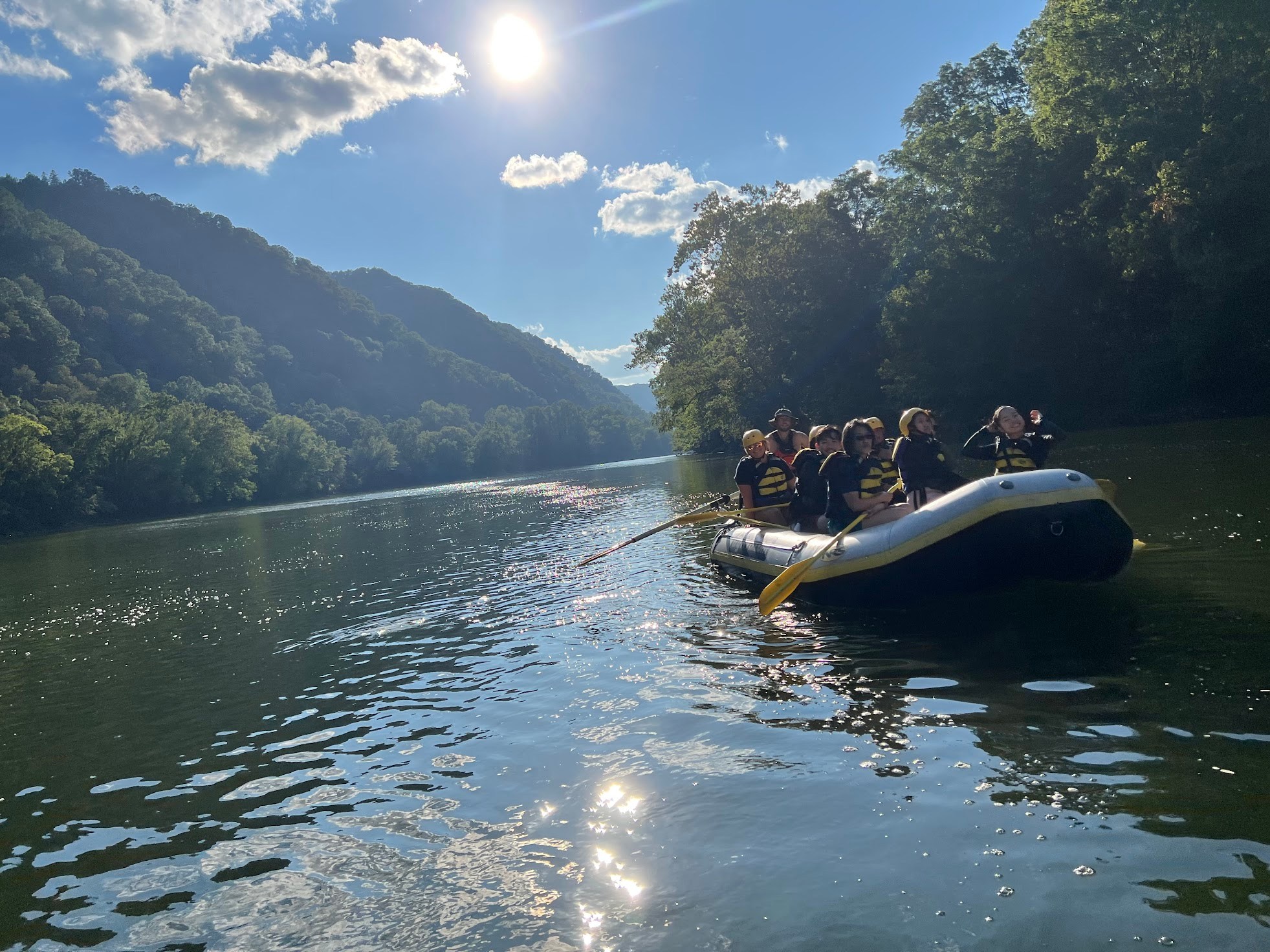
Your crew is standing at the river put-in, life jackets fitted, cameras tucked away, and the question suddenly gets real: do you want a peaceful day floating through the New River Gorge, or do you want to charge into a wave that splashes over the whole raft? When comparing float trips versus rapids, there is no wrong answer. There is only the trip that fits your people, your comfort level, and the story you want to bring home.
A calm river trip can be every bit as memorable as a whitewater run. Meanwhile, a first-time rafter may be surprised by how capable they feel after paddling through a big rapid with an experienced guide calling the moves. The best choice is less about being “brave” and more about matching the river to the day you want.
Float Trips Versus Rapids: The Big Difference
A float trip is built around scenery, time together, and a gentler introduction to being on the water. The river moves, but the pace leaves room to look up at sandstone cliffs, spot wildlife along the banks, talk with the people in your boat, and settle into the rhythm of the gorge. You may still encounter small waves and get a few splashes, depending on water levels and the section of river, but the point is not to conquer every wave.
A rapids-focused rafting trip puts more of the day’s energy into active paddling and whitewater. Your guide will teach your crew the commands, explain how to sit and hold on, and direct the raft through moving water. You can expect waves, quick decisions, plenty of laughs, and the kind of high-five moments that happen after everyone paddles together through a challenging section.
The difference is not simply calm versus wild. Both trips take place outdoors, both ask you to participate, and both become better with a guide who knows the river. The real distinction is how much intensity you want between the quiet stretches.
Choose a Float Trip When the Day Is About the Group
Float trips are a natural fit for families with younger children, multigenerational groups, first-time visitors, and anyone who wants to experience the New River Gorge without feeling rushed into a bigger challenge. They also work beautifully for travelers who have spent the morning hiking, are planning a full weekend of activities, or simply want to trade a busy schedule for a few hours outside.
This is not a passive sightseeing ride. You will still learn basic river safety, work with your guide, and enjoy the pleasant surprise of a cool splash when conditions provide one. But a float trip gives nervous guests room to relax and gives everyone more chances to enjoy the setting itself.
For family reunions, school groups, church groups, and friends with a wide range of comfort levels, that breathing room matters. One person may be excited about the river but not ready for large waves. Another may care more about the gorge views than the adrenaline. A float trip lets the group share an outdoor experience without asking anyone to push beyond what feels fun.
A float trip is often the right call if you want:
- A scenic, low-pressure river day
- More time to talk, look around, and take in the gorge
- A confidence-building first experience on the water
- An activity that better suits mixed ages and cautious participants
Weather and river conditions still matter. Rain can raise the water and make even a familiar stretch feel more energetic. A good outfitter will help you understand what to expect on the specific day of your trip rather than making promises based on a brochure photo.
Choose Rapids When You Want a Shared Challenge
A rapids trip is for the crew that hears “Class III and IV whitewater” and immediately starts grinning. It is an active, team-powered experience. Your guide is in charge of the raft and the safety plan, but every paddler contributes when it is time to move. Those few seconds before a rapid, when the guide calls for forward strokes and the raft picks up speed, are hard to replicate anywhere else.
On the New River, intermediate whitewater can be a terrific next step for adventurous beginners, active families with age-appropriate kids, couples, and groups who want more than a scenic float. You do not need prior rafting experience to enjoy a guided rapids trip, but you should be ready to listen, paddle, get wet, and embrace a little uncertainty.
For experienced paddlers and serious thrill-seekers, advanced Lower Gauley River trips bring a different level of commitment. These are powerful, technical whitewater days designed for guests who want substantial rapids and are comfortable with a bigger challenge. Advanced rafting is not about proving something. It is about respecting the river, trusting the process, and showing up ready to work as a team.
What makes rapids feel exciting, not overwhelming
The river has energy, but a professional guide gives that energy structure. Before launching, your guide covers safety expectations, paddle commands, seating, and what to do if someone ends up in the water. On the river, they read currents, position the raft, choose lines, and coach the crew from rapid to rapid.
That guide knowledge is especially valuable for first-timers. Most guests are not expected to arrive knowing river terminology or how to read a wave train. You need a willingness to learn, secure footwear, the right attitude, and attention when your guide gives instructions. The rest is a combination of preparation, teamwork, and the joy of realizing you can do more than you thought.
Do Not Pick by Age Alone
Age requirements are important, and every trip has them for good reasons. But age is not the only factor in choosing between float trips and rapids. Swimming ability, comfort around water, physical readiness, weather, water levels, and group dynamics all shape the right choice.
A confident 12-year-old who follows directions and loves active outdoor days may be a great fit for an age-appropriate whitewater trip. An athletic adult who dislikes deep water or has a strong fear of surprises may have a much better day on a calmer float. Neither choice is lesser. The goal is to finish the trip smiling, not to select the most intense option available.
Group organizers should think honestly about the quietest voices in the group. A corporate outing or scout trip can be unforgettable when participants feel challenged in a supported way. It can also lose momentum if people feel pressured into a level of adventure they did not choose. Offering a trip that the whole group can enjoy is usually the smartest move.
Think About the Memory You Want to Make
Picture the drive back from the river. On a float trip, the conversation may center on the gorge, the unexpected wildlife sighting, the cool water, and the rare feeling of having nowhere else to be. The day tends to leave people refreshed and connected.
After a rapids trip, the conversation often starts before the raft is even off the water. Someone will reenact the biggest wave. Someone else will insist they were completely calm, despite what the photos may show. The day has a bigger pulse, and the memory comes with a healthy dose of pride.
West Virginia Adventures sees both reactions all season long. Some guests return because they found their favorite peaceful place on the river. Others come back ready to move from a float to intermediate rapids, or from the New River to a bigger Gauley challenge. That progression is part of what makes rafting such a good tradition for families and friend groups.
Let Conditions and Logistics Help Make the Call
Your plans do not have to be set in stone before you ask questions. Let the outfitter know who is coming, the ages in your party, whether anyone is anxious about water, and the kind of experience you have in mind. Ask what the river has been doing recently, what the trip length feels like in practice, and how active the day will be.
Be honest about practical needs, too. Some guests are happiest with a shorter outing. Others want a full-day adventure. A group staying near the New River Gorge may want enough energy left for hiking, exploring local attractions, or gathering around the cabin afterward. The right rafting trip should fit the whole vacation, not crowd it out.
If you are torn, lean toward the option that makes your least-experienced guest feel excited rather than trapped. The river will still be there next time, and confidence built on a great first trip often leads to bigger water later.
Pick the day that makes your group say, “Let’s do that.” Then show up ready to paddle, laugh loudly, and let the gorge give you a story worth retelling.