
Scout Troop Rafting Trips That Build Confidence
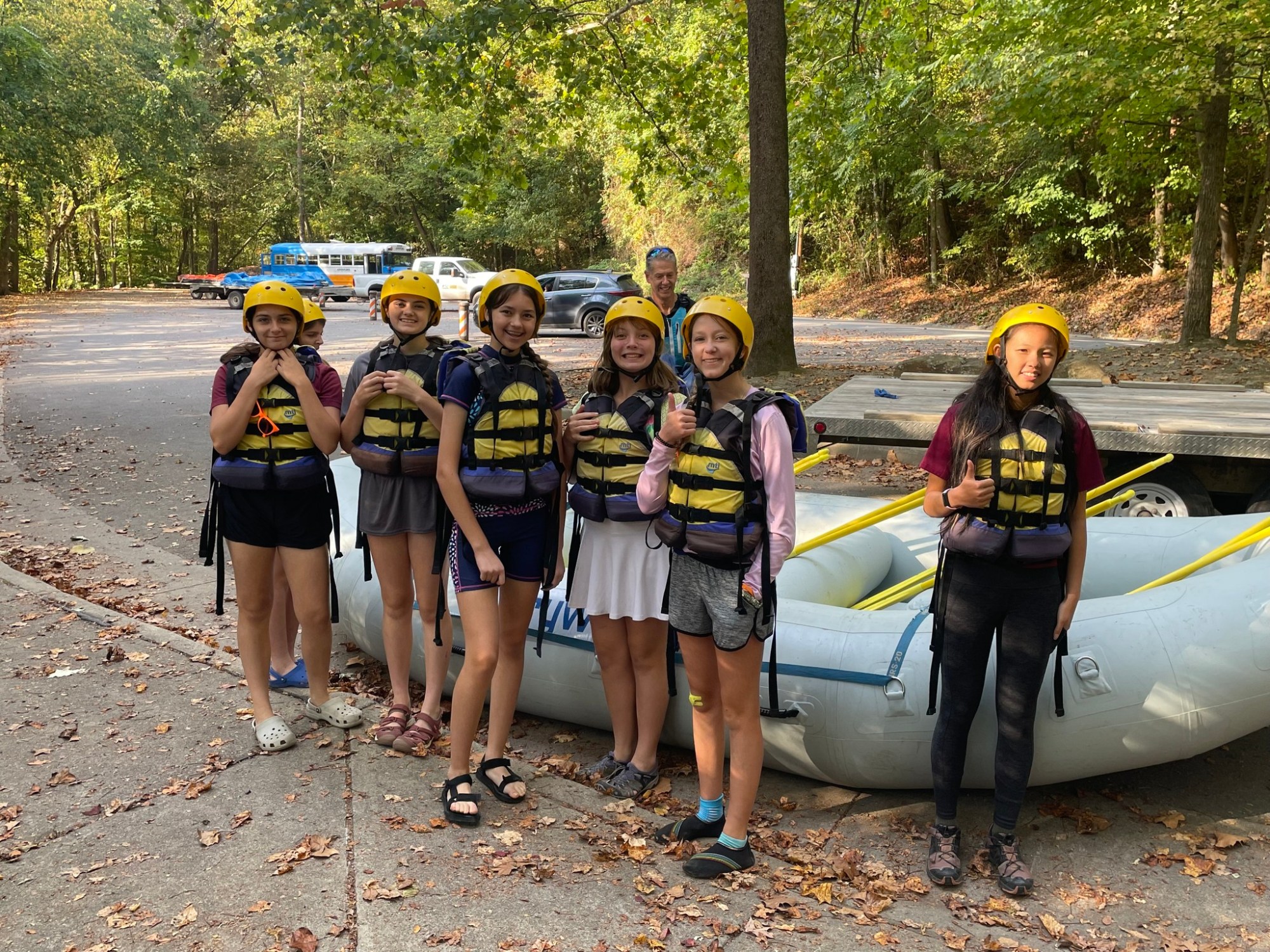
A raft full of scouts paddling toward their first rapid is not just having a good time. They are learning to listen, react, encourage one another, and stay steady when the water gets loud. That is what makes scout troop rafting trips such a strong fit for a troop outing: the adventure is real, but so is the growth that happens between the put-in and take-out.
For leaders, the best rafting day is one that feels exciting without feeling chaotic. Choosing the right river, setting clear expectations, and working with experienced guides can turn a big group trip into a story scouts will be telling around campfires for years.
Why rafting works so well for scout groups
Scouting already asks young people to step outside, work as a team, and take responsibility for one another. Whitewater rafting puts those values into motion. A rapid does not care who is the loudest in the raft or who arrived with the most outdoor experience. Everyone has a paddle, everyone has a role, and everyone benefits when the crew works together.
There is also room for different kinds of confidence. One scout may love the splash and speed. Another may be nervous at the start but feel ten feet taller after paddling through a rapid. A good guided trip gives both scouts a chance to succeed. Guides explain what is ahead, demonstrate paddle commands, and help the group understand that preparation is part of the fun.
Unlike an activity where participants split into smaller pairs or teams, rafting keeps a crew together. Scouts see immediate results from communication: paddle together, and the boat responds. Stop listening, and the raft may spin. It is a memorable lesson because it is not delivered as a lecture.
Choose the trip for your troop, not the bravest scout
The right trip depends on the age of your scouts, their comfort in the water, prior outdoor experience, and the goals of the outing. A troop with younger scouts or many first-time rafters will usually have the best day on a beginner-friendly river trip with gentler current, scenic floats, and enough action to make everyone grin.
A group of older scouts who are comfortable outdoors and eager for bigger water may be ready for an intermediate whitewater experience. These trips can bring more technical rapids, stronger waves, and the kind of teamwork that makes a crew earn its high-five at the end of the day.
Advanced rafting is different. Bigger rapids demand maturity, physical readiness, close attention to guide instruction, and an honest assessment of each participant’s comfort level. Do not choose a harder trip simply because a few scouts want the biggest adrenaline rush. The best group experience is one where the whole raft can participate with confidence.
West Virginia Adventures can help troop leaders match their group to an appropriate New River or Lower Gauley River experience. Those rivers are close enough to make planning practical, while their different personalities create options for first-time paddlers and returning adventure seekers.
Ask these questions before reserving
Start with your troop, then talk through the details with the outfitter. Ask about minimum age and weight requirements, swimming expectations, river conditions, trip length, transportation, meal options, and what adult leaders need to do on the water. Requirements can vary by river and water level, so avoid making assumptions based on another rafting trip or an old brochure.
It also helps to ask how many people are typically assigned to each raft and whether your group may be divided among boats. Splitting a large troop is normal and can make guide communication easier, but scouts should know ahead of time that they may not all paddle in the same raft. Assigning buddy pairs before the trip can help everyone feel connected.
Prepare scouts before river day
The strongest preparation happens before anyone picks up a paddle. Hold a short troop meeting to explain the plan: where you are going, when to arrive, what the day will feel like, and why listening to guides matters. Nervous scouts often relax once the unknowns become clear.
Be honest about what rafting is. Participants will get wet. They may need to climb in and out of a raft, paddle for stretches at a time, and hear instructions over rushing water. They may also spend quiet moments floating beneath steep New River Gorge scenery, spotting birds, rock walls, and forested banks. The day has energy, but it is not nonstop intensity.
Give parents a clear packing list well ahead of departure. River gear is usually supplied by the outfitter, including required safety equipment, but personal clothing makes a major difference in comfort. Scouts should bring:
- Secure water shoes or sandals with a heel strap
- Quick-drying clothing suited to the weather
- Sunscreen and any necessary medications
- A towel and dry clothes for after the trip
Avoid loose flip-flops, cotton layers on cold days, and valuables that cannot get wet. If a scout wears glasses, a retention strap is a smart move. If they bring a camera or phone, it should be protected in a truly secure waterproof case – and leaders should remind them that enjoying the river matters more than filming every wave.
Set the standard for behavior
A rafting trip should feel free-spirited, not careless. Before arrival, review the same expectations you would use for hiking, camping, or any outdoor program: stay with the group, treat guides and fellow scouts with respect, follow safety instructions immediately, and look out for younger or less confident participants.
Adult leaders remain important on the river, but their job is not to replace the guide. Guides are trained to read the water, position the raft, and give commands in the moment. Leaders can reinforce those commands, keep scouts focused, and model calm behavior. When adults listen well, scouts usually do too.
Safety is part of the adventure
Whitewater rafting carries real risk, which is exactly why professional guidance, proper equipment, and trip selection matter. A reliable outfitter begins with a safety talk and equipment fitting, then explains paddling positions, what to do if someone falls into the water, and how to respond if the raft flips. That briefing deserves every scout’s full attention.
Life jackets and helmets are not props for a photo. They need to fit correctly and remain secured throughout the trip. Scouts should speak up if a piece of gear feels loose or uncomfortable. A guide would rather adjust it at the launch than deal with a problem later.
Leaders should also recognize that weather and water conditions can change plans. High water, thunderstorms, unusually cold temperatures, or river operations may affect which trip is appropriate or whether a departure can run as scheduled. Flexibility is not a disappointment in outdoor programming. It is good judgment.
For scouts with medical conditions, medication needs, or strong anxiety around water, have a private conversation with parents and the outfitter before booking. The answer may be a different trip, extra preparation, or a decision to wait until another season. There is no prize for pushing someone past their readiness.
Make the trip feel like a troop milestone
Rafting can be the centerpiece of a weekend, not just a few hours on the water. Build in time for the troop to arrive without rushing, eat afterward, change into dry clothes, and talk about the best moments. Scouts will replay the rapid where their boat got soaked, the guide’s funniest line, or the moment a quieter teammate took charge on a paddle command.
A simple reflection back at camp can make the experience stick. Ask what helped the raft work well, what surprised them, and when they felt most confident. Keep it light. The goal is not to turn a fun day into homework, but to help scouts notice the skills they used without being told to use them.
Photos can be part of the memory too, especially for families who could not make the trip. Just make sure the troop has clear permission practices for sharing images, and let scouts enjoy a few phone-free minutes after the water. The best stories usually start with, “You had to be there.”
Give every scout a reason to paddle
The rapids will be what scouts mention first, but the lasting value often shows up later. It may be the new scout who realizes they can handle more than they thought. It may be the patrol leader who learns that clear, calm communication beats shouting. Or it may be the troop that returns home with a shared story that makes the next campout feel a little more connected.
Pick a river that invites your group in, prepare them well, and let the guides handle the water. Then give your scouts room to paddle hard, laugh loudly, and discover what they can do together.