
Whitewater Rafting West Virginia Trip Guide
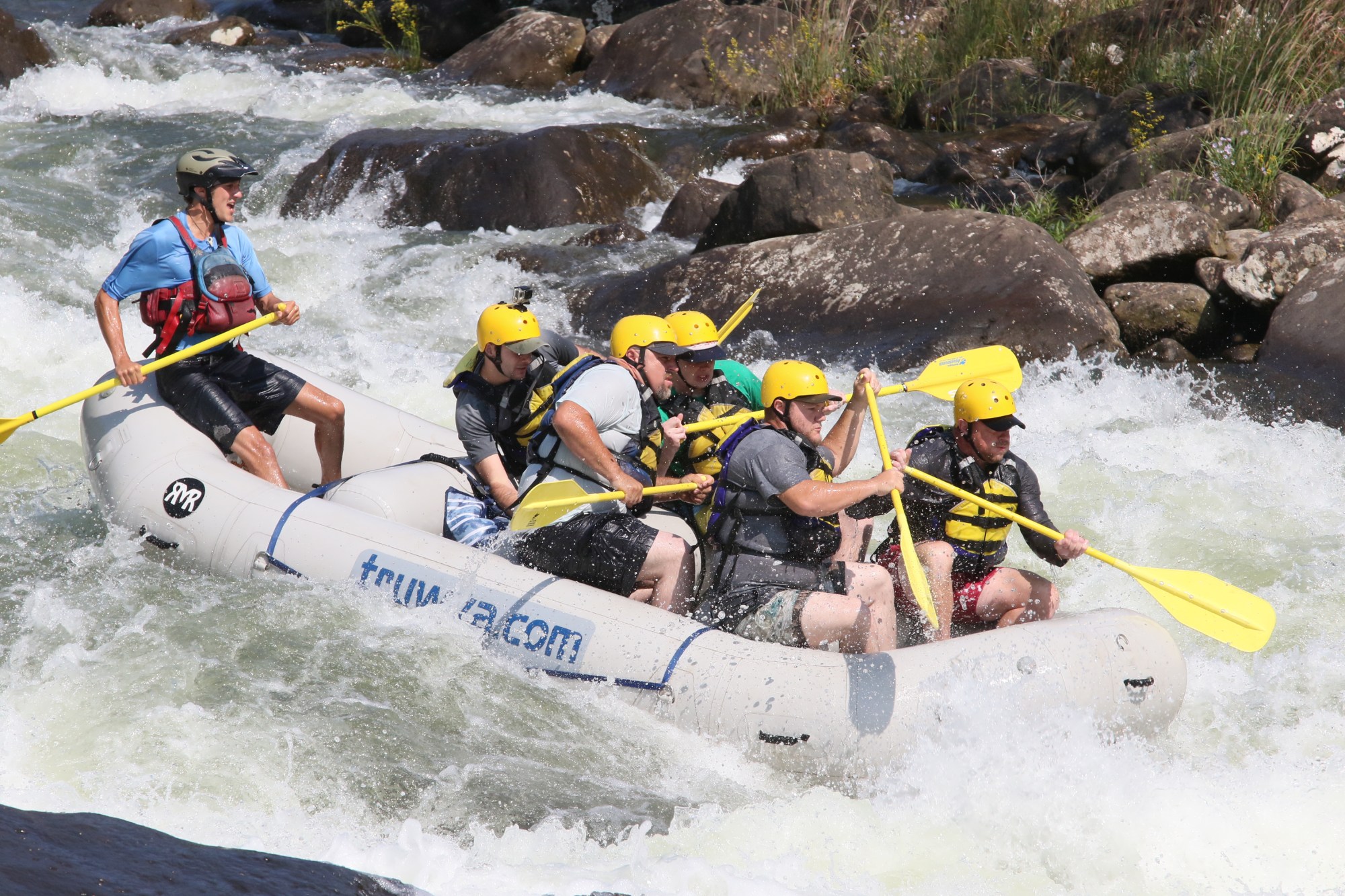
The first splash over the side of the raft changes the whole mood of the day. One minute, your group is tightening life jackets and trading nervous jokes. The next, you are paddling together through a canyon shaped by ancient water, cheering after a wave hits the boat just right. That is the draw of whitewater rafting West Virginia – big fun, real river adventure, and a story everyone gets to bring home.
The New River Gorge region is especially good at meeting people where they are. A family with first-time paddlers can choose a calmer introduction. A group of friends can chase splashy Class III and IV rapids. Returning rafters can come back ready for a more demanding run. The key is not picking the wildest trip on paper. It is picking the river day that makes your crew feel excited, supported, and ready to paddle.
Whitewater Rafting West Virginia: Why the New River Gorge Stands Out
West Virginia is not a place where rafting feels like an attraction built around the outdoors. The river is the experience. Forested ridgelines rise above the water, sandstone cliffs frame the route, and the New River Gorge gives every stretch of current a sense of place.
That scenery matters, but it is only half the reason rafting here works so well. The region offers different rivers and sections within a short drive of one another, making it easier to match your trip to your group’s comfort level. You can arrive with grandparents, teenagers, cautious first-timers, and one person who has been talking about rapids for months – then choose an outing that keeps everyone part of the day.
Guided rafting also makes the sport approachable. Your guide handles the details that are hard to learn from a screen: reading the current, setting the boat’s line, calling paddle commands, and helping the crew work as one. You do not need previous rafting experience to have a great first trip. You do need to listen, paddle when asked, and bring a willing attitude when the river gets lively.
Choose the Right River Run for Your Crew
The best trip depends on who is in the raft, the season, and what kind of memory you want to make. River levels change, and trip options can change with them, so a good outfitter will help you choose based on current conditions rather than promising the same experience every day.
A gentler New River float for first-time confidence
A beginner-friendly float trip is a smart choice for families with younger children, guests who are unsure about rapids, or anyone who wants more time to take in the canyon. Expect a relaxed pace with mild moving water, places to swim when conditions allow, and enough action to make the day feel like an adventure.
Do not mistake “beginner-friendly” for boring. Floating beneath the New River Gorge Bridge, spotting wildlife along the banks, and sharing a raft with people you love can be the highlight of a West Virginia vacation. For many first-timers, this is where the rafting bug begins.
Intermediate New River rafting for splash and teamwork
If your group wants a bigger jolt of excitement, an intermediate New River trip brings more active paddling and more frequent rapids. Class III and IV whitewater can mean powerful waves, technical lines, and the kind of moments that make the raft erupt in celebration once you reach calm water.
This is often the sweet spot for active families, couples, friend groups, and mixed-experience crews. You will work together, get wet, and feel the difference between simply riding in a boat and paddling a river. Participants should be comfortable with a more physical day and ready to follow guide instructions quickly.
Lower Gauley River rafting for experienced adventure seekers
The Lower Gauley River is where many returning guests go when they want the volume turned up. Its Class III and IV rapids are bigger, more continuous, and more demanding than a casual float. The scenery remains spectacular, but your attention will be on the next wave train, the next command, and the next hard-earned high-five.
A Lower Gauley trip is a great fit for confident swimmers, athletic groups, and rafters who have enjoyed intermediate whitewater before. Experience is helpful, but attitude matters too. If you want a river day that asks your crew to stay engaged, paddle hard, and laugh hard, this is the kind of run that earns its reputation.
What a Guided Rafting Day Really Feels Like
A well-organized rafting day begins before the raft touches water. After check-in, you will receive the equipment you need, including a properly fitted personal flotation device and helmet when the trip calls for one. Your guide will cover the safety talk, paddle commands, what to do if someone ends up in the water, and how the group will work together.
Listen closely here. The orientation is not a lecture standing between you and the fun. It is what lets everyone relax once the river starts moving. Knowing how to sit securely, hold a paddle correctly, and respond to commands gives first-timers a surprising amount of confidence.
On the water, there is a rhythm to rafting. Quiet stretches give your group time to talk, admire the gorge, and catch its breath. Then the current picks up, your guide calls for forward strokes, and everyone leans into the same goal. Even groups that arrived as strangers often come off the river feeling like a team.
At West Virginia Adventures, the guides bring local river knowledge and a personable, hands-on approach to every trip. That blend matters. A guide should know when to push the energy higher, when to explain what is coming next, and when to let the river and the scenery do the talking.
How to Prepare Without Overpacking
Rafting is active, wet, and far more comfortable when you dress for the water rather than the parking lot. Wear secure footwear that can get wet, such as river sandals with heel straps or old sneakers. Avoid flip-flops, which can disappear fast in moving water.
Choose quick-drying clothes you can move in, and leave cotton-heavy layers for another day when possible. On cooler days, your outfitter may provide or recommend additional gear. Sun protection is useful even when the morning begins cloudy, and a towel plus dry clothes in the car will feel excellent after the trip.
Leave valuables behind or store them safely. Phones, loose sunglasses, and car keys do not belong in an open raft unless they are properly secured. If photos are part of the experience you want to remember, ask about trip photography before launch rather than trying to manage a camera through rapids.
A few practical questions to ask before booking
Before reserving your trip, confirm the age and weight guidelines, swimming expectations, trip length, and what gear is included. Ask whether the route is best for true beginners or whether it has a more active whitewater focus. If you are coordinating a school, scout troop, reunion, athletic team, church group, or corporate outing, ask how check-in, waivers, and transportation are organized for larger parties.
These details are not small print. They are what turn a complicated group outing into a day that runs smoothly. A professional outfitter can help you match the right river to the right people, set realistic expectations, and keep the logistics from landing on one exhausted organizer.
Make Rafting Part of the Whole New River Gorge Trip
A rafting trip is a strong centerpiece for a West Virginia getaway, but it does not have to be the entire itinerary. Build in time to enjoy the overlooks, local trails, small-town stops, and the wide-open feeling of the gorge. Some groups prefer to raft first and spend the evening retelling the day over dinner. Others arrive early, settle into nearby lodging, and make rafting the big finale.
For families, it helps to avoid packing every hour of the weekend. A river day has its own pace, and everyone will be happier with time to dry off, eat well, and replay their favorite rapid. For friends, couples, and reunion groups, that unhurried time is often where the best stories get better.
The right rafting trip should leave you tired in the best way: sun on your face, river water in your shoes, and a crew that cannot stop talking about the moment the boat dropped into that first real rapid. Pick the run that fits your people, trust your guides, and make room for the kind of day that stays with you long after the gear is dry.