
8 Best Teen River Activities for a Big Day Out
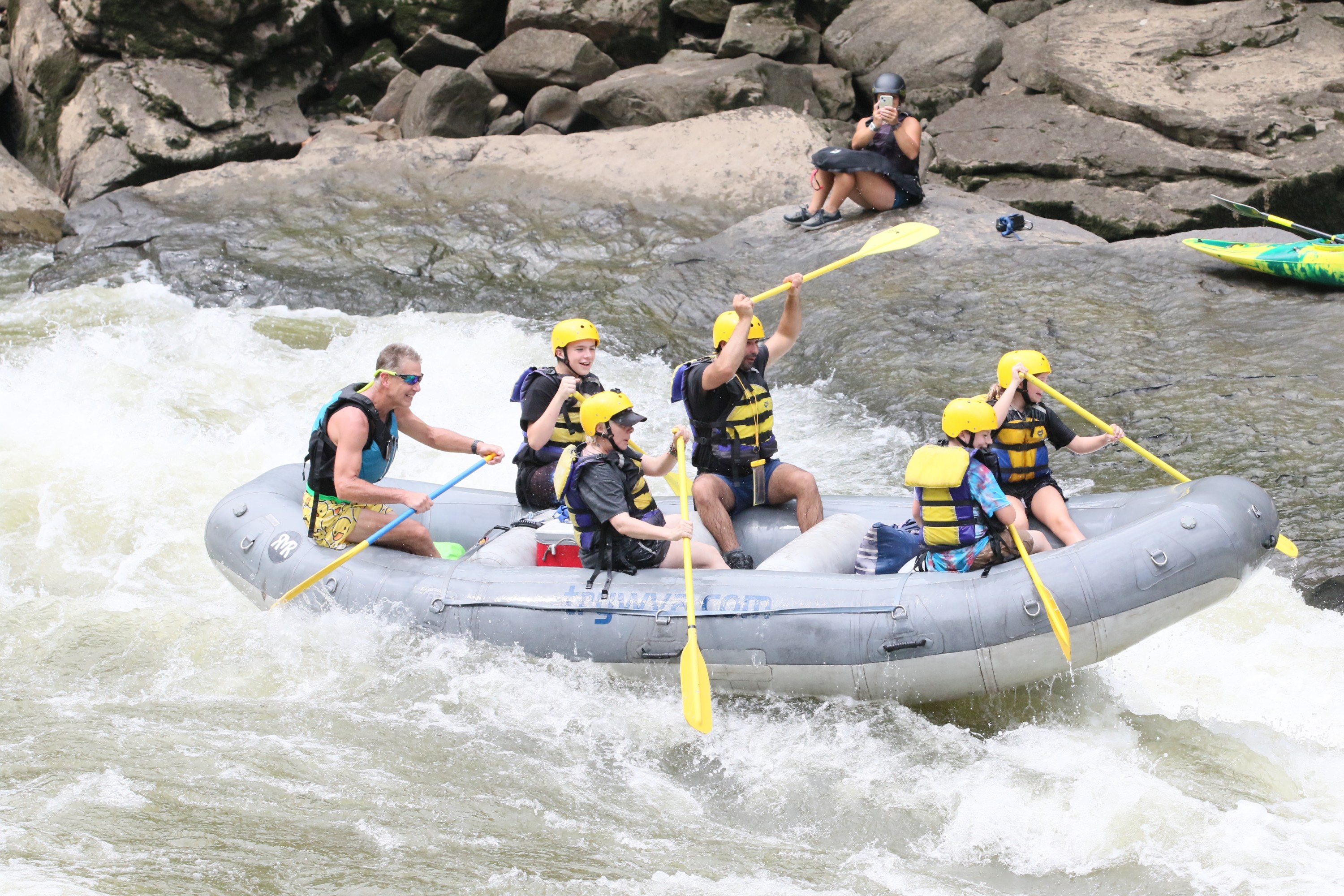
A phone full of photos is nice. A story about paddling through a wave, high-fiving the raft after a clean run, and laughing about who got soaked is better. The best teen river activities combine real excitement with enough structure that parents, trip leaders, and first-timers can relax and enjoy the day too. In the New River Gorge, that can mean anything from a confidence-building float to a full whitewater mission with a guide calling the moves.
Best Teen River Activities for Every Comfort Level
The right river day depends on your group. Some teens arrive ready to charge into the biggest waves they can find. Others are curious but nervous about being in a raft for the first time. A good plan gives everyone a role, keeps safety at the center, and leaves room for the kind of fun that feels earned.
1. Take on a guided whitewater rafting trip
For most teen groups, whitewater rafting is the main event. It is active, social, and far more memorable than simply floating downstream. Every paddler has a job: listen for the guide’s commands, paddle in rhythm, stay balanced, and help the crew work through each rapid.
Guided rafting also makes a huge difference for teens who are new to moving water. Professional guides read current, explain river features, teach paddle commands, and make sure everyone knows what to do before the raft leaves shore. That preparation turns nerves into focus.
On the New River, groups can choose an experience that fits their appetite for adventure. A scenic, beginner-friendly float can be the right first step, while more active New River whitewater offers bigger waves and a stronger team challenge. The best choice is not always the wildest trip. It is the one where everyone comes off the river feeling proud, energized, and ready to tell the story.
2. Let teens become a real raft crew
Rafting works especially well for school groups, scouts, athletic teams, youth organizations, and big family trips because it gives teens a chance to lead without separating them from the group. In a raft, the loudest person is not automatically the leader. The crew succeeds when people pay attention, communicate clearly, and paddle together.
Ask teens to take ownership of the small things. They can help check that a teammate has a properly fitted personal flotation device, listen for the guide’s safety talk, carry gear to the launch area, and encourage the raft after a tough rapid. Those moments build confidence without turning the day into a lecture about teamwork.
3. Enjoy a guide-approved river swim
A quick swim can be one of the best parts of a warm river day, but it should never be treated like an unplanned free-for-all. Current, water level, rocks, and changing conditions all matter. Swim only where a guide or qualified trip leader says it is appropriate, and keep life jackets on when required.
For teens, a controlled swim stop can be a great way to get comfortable in moving water. It gives them a feel for the river while reinforcing smart habits: feet-up defensive swimming when instructed, listening for commands, and respecting the current. It is exciting because it is real, not because anyone is taking unnecessary chances.
4. Make the scenic stretches part of the adventure
Not every great river moment arrives with a crashing wave. Between rapids, the New River Gorge brings towering rock walls, forested slopes, birds overhead, and the peaceful sound of water moving beneath the raft. Teens who are used to a packed schedule often surprise themselves by how much they enjoy these quieter stretches.
Encourage the group to look up, put the phone away for a few minutes, and notice what the guide points out. The river has a way of bringing people into the present. That matters on a family vacation, but it can be just as valuable for a team or youth group that spends most of its time in constant motion.
5. Add river-friendly games between rapids
The calm water between rapids is a natural place for easy group fun. Try a friendly paddle-rhythm challenge, a round of river trivia from the guide, or a quick call-and-response chant that gets everyone pulling together. Keep it simple and make sure the game stops the moment the guide needs the crew’s attention.
These small moments are useful for mixed-age groups. A teen who is not yet sold on the adrenaline of whitewater may become fully engaged when they are laughing with friends, spotting wildlife, or trying to keep their side of the raft in sync. Adventure does not have to be nonstop intensity to feel big.
6. Plan a riverside lunch that feels like a break, not a timeout
A river day uses more energy than most people expect. Pack water, easy snacks, and a satisfying lunch if your trip plan calls for it. A quiet stop by the river gives teens time to reset, compare favorite rapids, and build anticipation for what is next.
Keep the setting clean and simple. Food should stay secure, trash should leave with the group, and any break spot should be approved for access and safety. The goal is to enjoy the gorge without leaving a trace behind. That is part of being a good river guest.
7. Capture the action, then put the camera away
Teens will want proof that they took on the river, and that is fair. Group photos at the launch, a shot of the crew in helmets and life jackets, and professional action photos can preserve the best moments without asking anyone to handle a phone in a rapid.
The trade-off is simple: filming everything can pull attention away from the experience and create a safety issue on the water. Let the guide set the expectations. Get a few photos before or after the trip, then focus on paddling, listening, and being part of the crew. The strongest stories usually come from what nobody managed to record.
8. Save the bigger challenge for the right time
For teens with prior rafting experience, strong swimming skills, and a genuine appetite for more technical water, an advanced trip can be a fantastic next chapter. The Lower Gauley River is known for powerful whitewater and requires a more serious level of readiness than a beginner outing. It is not the automatic choice just because someone is athletic or eager.
Trip eligibility can depend on age, water conditions, seasonal releases, guide recommendations, and the outfitter’s safety standards. That is exactly how it should be. A great progression starts with a river trip that matches the group today, then gives returning paddlers something to work toward.
How to Choose the Right Teen River Day
Start by asking a few honest questions. Has everyone rafted before? Is the group comfortable in water? Are there younger siblings or first-time adults coming along? Does the group want a scenic outing with a taste of adventure, or are they hoping for sustained Class III and IV action?
Then choose a professional guided trip with clear pre-trip communication, quality equipment, and guides who know how to work with young people. Teens do not need to be treated like little kids, but they do need straightforward instruction and a crew leader they can trust. At West Virginia Adventures, experienced guides help groups find that balance between big fun and smart preparation.
Bring clothes that can get wet, secure footwear that will stay on in the river, sunscreen, and a change of dry clothes for afterward. Leave valuables behind or store them securely. Most importantly, arrive ready to listen. The river is more fun when every paddler understands that safety instructions are what make the wild parts possible.
A great teen river day is not measured by who screamed the loudest in the biggest rapid. It is measured by the quiet teen who paddled through something new, the friends who worked together when it counted, and the ride home filled with stories nobody wants to stop telling.