
Rafting Ages: How Young Is Ready for the River?
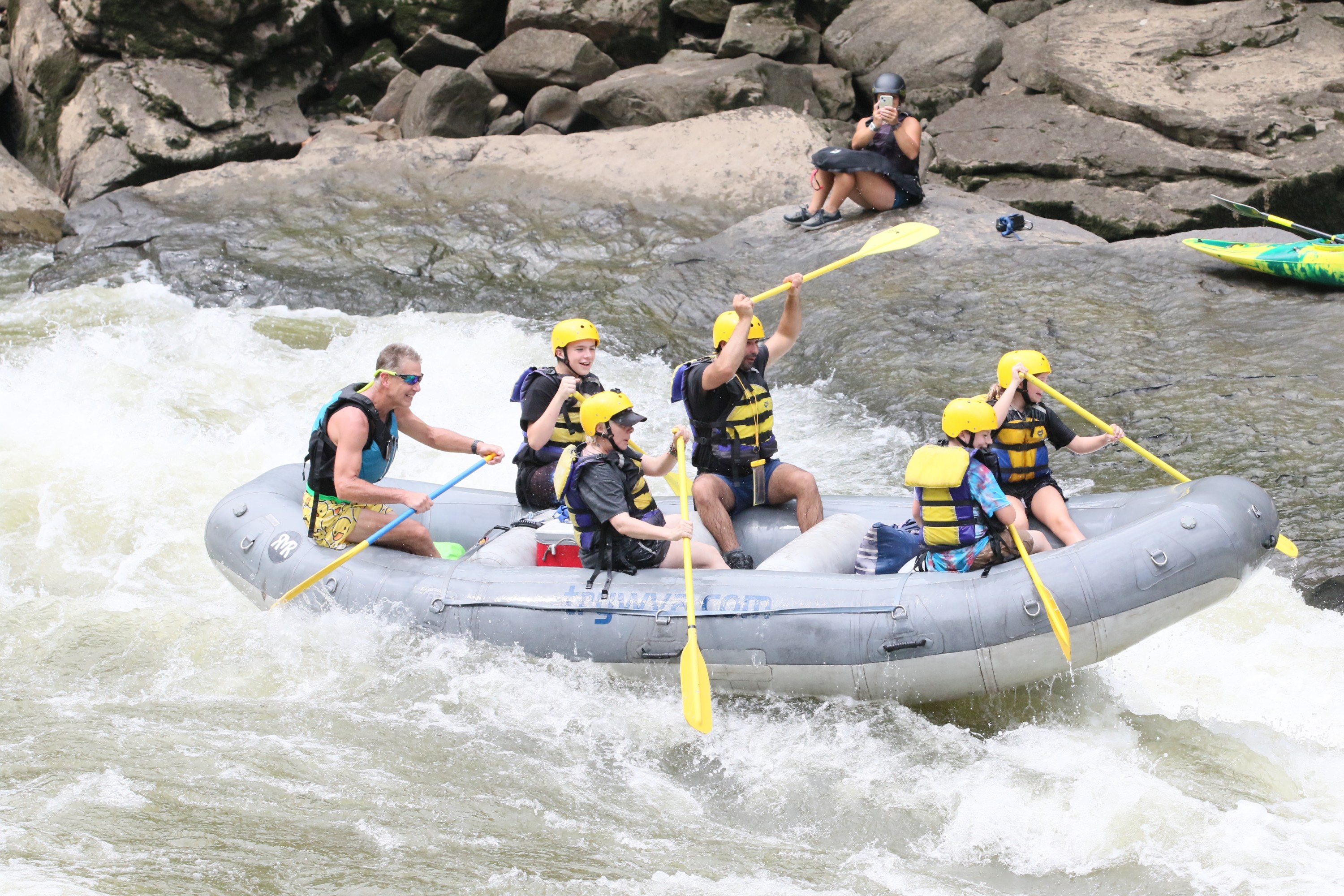
A six-year-old in a properly fitted life jacket, grinning at the splash from a gentle wave, may be more ready for a river day than a nervous teenager who does not want to get wet. That is why rafting ages are a starting point, not the whole answer. The right trip comes down to the river, the day’s water conditions, your child’s comfort level, and the outfitter’s safety requirements.
For families visiting the New River Gorge, rafting can be the story everyone talks about long after the vacation ends. Choosing the right experience lets younger guests build confidence while giving parents the peace of mind that comes with experienced guides, clear instructions, and a trip matched to the group.
What Rafting Ages Really Mean
Most rafting trips set a minimum age, but that number is not a universal rule for every river in every season. It is based on the difficulty of the rapids, water temperature, trip length, boat type, and the physical demands of the day. A calm scenic float may welcome younger children than a Class III whitewater trip. A high-water day can also change the equation, even on a river that is usually suitable for families.
Age limits exist for a good reason. They help outfitters place guests where they can safely sit, listen, paddle when needed, and respond to guide instructions. They also account for the fact that a child needs a life jacket that fits securely and a helmet when the trip requires one. Being tall for their age or eager for excitement does not automatically make a child ready for bigger rapids.
When you are comparing trips, ask about the minimum age for that specific river section and date, not just the company’s general policy. A professional outfitter will be happy to explain what the trip involves and whether conditions may affect eligibility.
Matching the River to Your Family
The best family rafting trip is rarely the one with the biggest splash. It is the one where every person in the boat can have fun, feel supported, and finish the day proud of what they did.
Gentle floats for younger adventurers
For children who are new to the outdoors or not yet ready for whitewater, a guided float trip can be a fantastic first river experience. These outings focus more on scenery, wildlife, swimming opportunities when conditions allow, and the simple joy of traveling downstream together. Young guests still get the excitement of a real river adventure, without the intensity of major rapids.
This is often the strongest choice for multi-generational families. Grandparents can relax, younger kids can get comfortable around moving water, and everyone has room to take in the New River Gorge landscape. It also gives parents a chance to see how their children respond to a boat, a paddle, and a little river spray before booking a more challenging trip later.
Intermediate whitewater for confident kids and teens
Once children are old enough to meet the trip’s age requirement and are ready for a more active ride, intermediate rafting can bring the energy up considerably. Class III rapids often offer waves, turns, and exciting moments that make a group cheer without requiring previous rafting experience.
A guide will give the crew a safety talk before launch, show everyone how to hold a paddle, explain where to sit, and practice simple commands. Families do not need to arrive as expert paddlers. They do need to be willing to listen, participate, and accept that whitewater means getting wet.
For many kids, this is the sweet spot. They feel like they have taken on a genuine adventure, while parents appreciate a trip built around professional guidance and age-appropriate expectations.
Advanced runs are not just about being older
Teenagers and adults sometimes assume that meeting an age minimum means they are ready for the most intense trip available. Advanced whitewater does not work that way. Class IV rapids and challenging Lower Gauley River conditions demand more physical engagement, stronger comfort in moving water, and a willingness to follow commands quickly.
A guest can be old enough on paper but still be better suited to an intermediate trip. That is not settling. It is good trip planning. First-time rafters often have a better day on a river where they can be engaged and confident instead of overwhelmed.
Questions to Ask Before Bringing Children Rafting
A quick, honest family conversation can make trip selection much easier. Start with whether your child is comfortable wearing a snug life jacket for several hours, sitting in a raft, and getting splashed in the face. Then consider whether they can listen to an adult other than a parent and follow directions when the group is excited.
Swimming ability matters, but it is not always a pass-or-fail requirement in the way people expect. Guests wear Coast Guard-approved personal flotation devices, and guides explain what to do if someone enters the water. Still, a child who panics in water or strongly fears putting their face near it may not enjoy a whitewater trip yet. A scenic float, a pool day, or another outdoor activity may be the better choice this season.
It also helps to think about stamina. River days can include transportation, a pre-trip orientation, time on the water, and changing afterward. A child who handles a busy vacation day well may be ready. A child who becomes tired or frustrated quickly might have more fun on a shorter outing.
How Parents Can Set Kids Up for a Great Day
The calmest kids in the raft are not always the bravest ones. They are often the kids who know what to expect. Tell your child ahead of time that the boat will bounce, they will probably get wet, and the guide is there to tell the group what to do. Frame those details as part of the adventure, not as something scary.
Dress for the conditions, not for a family photo. Secure footwear, quick-drying clothing, sunscreen, and any guide-recommended layers can make a major difference in comfort. Avoid loose items that could fall into the river. If your child wears glasses, use a retention strap. If they need medication, discuss it with the outfitter before the trip.
Parents can also help by letting the guide lead. Guides are trained to position guests in the raft, explain safety procedures, read river conditions, and make sound decisions for the group. Children take their cues from adults, so a relaxed, attentive parent goes a long way.
Planning for Mixed-Age Groups
Family reunions, scout groups, and friend groups often include people who are nowhere near the same comfort level. Trying to put everyone on one high-adrenaline trip can leave younger guests sidelined or less-confident adults feeling pressured. A better plan may be choosing a family-friendly river day everyone can enjoy, or splitting the group between an easier float and a more challenging whitewater option.
The rivers near Hico make that flexibility especially valuable. At West Virginia Adventures, groups can talk through age ranges, experience levels, and the kind of day they want before selecting a trip. The goal is not to push every guest toward the hardest rapid. It is to create a day that feels exciting, well organized, and worth repeating.
A Note About Teens Who Want Bigger Rapids
If your teen is lobbying hard for the most difficult trip, that enthusiasm is a great sign. Let it guide the conversation, not decide it alone. Ask whether they are comfortable swimming, whether they can paddle with a team, and whether they understand that rafting is more fun when everyone respects the guide’s calls.
For teens who meet the requirements, intermediate whitewater can be a powerful confidence-builder. They get the thrill, the teamwork, and the bragging rights, while learning how to move with the river instead of fighting it. If they love it, there will be more rapids ahead.
The right age for rafting is the age when a guest can safely take part and genuinely enjoy the ride. Start where your family feels confident, listen to the trip requirements, and let the river provide the next story.