
How to Prepare Children for Rafting Trips
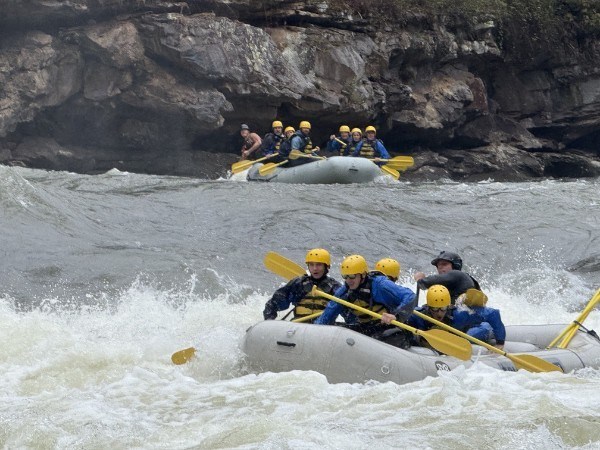
A child’s first rapid is often loud, splashy, and followed by the kind of grin that takes over every dinner conversation for the rest of vacation. The key is not pretending the river is tame. It is taking time to prepare children for rafting so they know what to expect, trust their guides, and feel ready to be part of the crew.
A family rafting day on the New River can be a huge confidence-builder, especially when the trip matches your child’s age, swimming ability, and personality. One child may be ready to paddle hard and yell through every wave. Another may be happier starting on a gentler section with more time to enjoy the canyon views. Both approaches count as a great day outside.
Start With the Right River Trip
The best preparation begins before anyone puts on a helmet. Choose a guided trip designed for your child’s age range and comfort level, then be honest when you talk with the outfitter about who is coming. Minimum ages and requirements can change with water levels and the specific section of river, so confirm the details before booking.
For a first outing, a mellow float or beginner-friendly whitewater trip can help kids learn how a raft moves, what a paddle does, and why guides give clear instructions. Older children and teens who are comfortable in active water may be excited by more challenging rapids, but readiness is more than enthusiasm. They need to listen, follow direction quickly, and stay calm when the raft gets bouncy.
Avoid choosing a harder trip just because the adults in the group want the biggest rush. A child who has fun and feels capable on a moderate run is much more likely to want another river adventure. There is plenty of time to step up the excitement on a future visit.
Prepare Children for Rafting With Honest Expectations
Kids handle new experiences better when they know the basics ahead of time. A few days before your trip, explain that rafting means riding in a large inflatable boat with a trained guide, wearing a properly fitted life jacket and helmet, and working together when it is time to paddle.
Use plain language. Tell them there will be splashes, the raft may bounce over waves, and the water can feel cold even on a warm day. Let them know that the guide will explain where to sit, how to hold the paddle, and what to do if anyone ends up in the water. That last part should be calm and matter-of-fact, not presented as a scary possibility.
It also helps to explain the rhythm of the day. There may be a check-in, waiver process, gear fitting, a shuttle ride, a safety talk, time on calmer water, exciting rapids, and a chance to swim if conditions allow. Children are often most nervous about the unknown parts around the rafting trip, not the rapids themselves.
Give Them a Job on the Boat
Feeling useful can turn nervous energy into pride. Younger kids can focus on sitting securely, holding on as instructed, and listening for the guide’s voice. Kids who meet the requirements for paddling can learn a few simple commands, such as forward paddle, back paddle, stop, and get down.
Remind them that a rafting crew does not need to be perfect. The goal is to listen, try, and keep working together. Guides are there to lead the boat and handle changing river conditions. A child’s job is simply to follow instructions and enjoy the ride.
Practice Water Comfort, Not Fear
You do not need to turn your backyard pool into boot camp. Still, a little water familiarity makes a difference. Before the trip, give children a chance to swim while wearing a life jacket if you have access to a pool or calm, supervised water. They can feel how the jacket keeps them afloat and practice relaxing on their back.
Teach a few simple habits: never stand up in moving water, keep feet pointed downstream if floating on their back, and look toward the guide for direction. These are not meant to make kids worry. They give them an easy response if they ever need it.
If your child cannot swim, do not assume rafting is automatically off the table. Guided family trips may have different policies, and a properly fitted personal flotation device is essential for every guest. The deciding factor is the outfitter’s requirements, your child’s ability to follow directions, and whether the selected trip is truly appropriate. Ask directly instead of guessing.
Listen to the Quiet Concerns
Some children announce they are nervous. Others say they are “fine” and then get unusually quiet while gear is being handed out. Ask specific questions: Are you worried about the cold water? Falling in? Not knowing how to paddle? Being away from the car? Their answer gives you something real to address.
Try not to promise that the boat will never rock or that they will not get wet. Those promises can backfire on a river. A better message is, “You might feel nervous at first, and your guide will show us exactly what to do.” Confidence grows when kids see that adults are honest and prepared.
Get Clothing and Gear Right
Comfort is a safety issue when children are outdoors for several hours. A cold, sunburned, hungry kid will have a hard time enjoying even the most beautiful stretch of river. Follow the outfitter’s packing guidance, especially when temperatures and water levels change.
For many warm-weather rafting days, children will be most comfortable in quick-drying clothes and secure shoes that can get wet. Avoid loose flip-flops, heavy cotton layers, and anything they would be upset to lose. Sunglasses should have a retainer, and sunscreen should be applied before launch, then reapplied when appropriate.
A helpful family packing plan includes:
- A swimsuit or quick-drying shirt and shorts
- Secure water shoes or old sneakers
- A towel and full change of dry clothes for afterward
- Sunscreen, any needed medication, and a labeled water bottle
- A warm layer for before or after the trip when the forecast calls for it
Leave valuables behind whenever possible. Phones, jewelry, and favorite toys do not need to ride the rapids. If photos are part of the day, ask about the outfitter’s trip photography options rather than asking a child to protect a device in the raft.
Make the Safety Talk Part of the Adventure
The pre-trip safety briefing is where children learn how the day works. Treat it as the first important part of the experience, not a delay before the fun begins. Encourage your child to watch the guide, ask questions if they do not understand something, and practice the paddle position or swimming posture when shown.
Parents set the tone here. If you pay attention, wear your gear correctly, and respond to instructions with a calm “got it,” kids will follow your lead. If adults joke through the briefing or ignore a guide’s direction, children may think the rules are optional.
During the trip, avoid over-coaching from your seat. Your child does not need five different voices telling them what to do as a rapid approaches. Let the guide lead the boat. Offer encouragement between rapids: “Nice listening,” “You did great paddling,” or “That was a big splash.” Small recognition helps children notice their own progress.
Plan for the Whole Day, Not Just the Rapids
Rafting days run better when everyone arrives fed, hydrated, and on time. Have a solid meal beforehand, but keep it familiar and not overly heavy. Build in extra time for bathroom breaks, gear fitting, and the fact that children move more slowly when they are excited.
Think about the drive home, too. Wet hair, sun, and adrenaline can lead to a sleepy, hungry crew. Dry clothes, snacks for afterward if permitted, and a loose plan for the evening make the finish feel easy. If your family is staying near the New River Gorge, a relaxed meal and an early bedtime can be just as memorable as the rapids.
For larger groups, such as scouts, school groups, reunions, or youth teams, designate a few adults to help keep the process organized. One person can manage medications and waivers, another can do a final gear check, and everyone should know who is responsible for each child. That structure lets the guides focus on what they do best: running a safe, fun river trip.
Let Their First Trip Belong to Them
Your idea of a perfect rafting day may be charging into every wave with both hands in the air. Your child’s perfect day might be spotting a great blue heron, making a new friend in the boat, or realizing after the first rapid that they are braver than they thought.
At West Virginia Adventures, the best family river stories usually begin with a little anticipation and end with kids asking when they can go again. Give them a trip suited to their abilities, listen to the guides, and leave room for their own version of adventure. The river will take care of the rest.