
Whitewater Rafting Trip Planning Made Simple
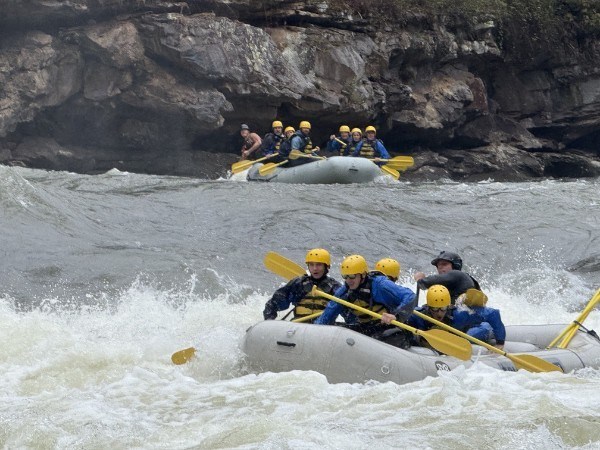
A great rafting day starts long before the first splash hits the boat. The best whitewater rafting trip planning matches the river to your group, leaves room for the unexpected, and makes everyone feel ready to paddle hard when the guide calls for it. In the New River Gorge, that can mean a relaxed first trip with the kids, a high-energy day with friends, or a bigger challenge for paddlers who came looking for Class III and IV water.
Choose the River That Fits Your Group
The biggest planning mistake is choosing a trip solely because it sounds intense. The better question is: what kind of day will give everyone in your group a great story to take home?
A beginner-friendly float trip is often the right call for families with younger children, first-time rafters, and mixed-age groups. You still get time on a beautiful West Virginia river, plenty of laughs, and a chance to learn how a raft responds to current and paddle commands without every mile feeling like a test.
For travelers who want more action, an intermediate New River rafting trip can be the sweet spot. Expect a more active paddling day, exciting rapids, dramatic gorge scenery, and the kind of teamwork that turns a group of friends into a crew. It is a strong choice for adventurous first-timers who are comfortable getting wet and want more than a float.
The Lower Gauley River is built for guests ready to step up the excitement. Its Class III and IV rapids are faster, more technical, and more demanding than a casual river day. Previous rafting experience can help, but a willingness to listen, paddle, and stay engaged matters just as much. River difficulty also changes with water levels, weather, and the season, so be honest with your outfitter about your experience and comfort level.
Let the Least-Experienced Guest Help Set the Pace
If your group includes one nervous first-timer, a confident teenager, and an experienced paddler, do not assume the strongest person should choose the trip. A good rafting day works when everyone has a role and enough confidence to enjoy it.
That does not always mean picking the easiest option. It means choosing a trip where the quieter members of the group can hear the safety talk, trust their guide, and feel proud rather than overwhelmed at the end of the day. For reunions, youth groups, and corporate outings, that decision can make the difference between a shared win and a long day of managing anxiety.
Whitewater Rafting Trip Planning Starts With Timing
Your calendar affects more than travel prices. It affects water conditions, trip availability, daylight, temperatures, and how much time you will have to enjoy the New River Gorge before or after rafting.
Spring often brings cool water and a lively river. It can be a thrilling time to raft, especially for guests who do not mind brisk conditions and want a more energetic ride. Summer is a favorite for family vacations and groups looking to combine rafting with cabins, hikes, scenic overlooks, or a full weekend outdoors. Early fall can offer comfortable temperatures, changing leaves, and a memorable setting for a couples’ getaway or friend trip.
For any date, reserve early if your group is large or your travel falls on a holiday weekend. Schools, scouts, athletic teams, church groups, and family reunions need extra coordination, from headcounts and payment details to transportation and meal timing. Booking ahead gives your outfitter time to help build a day that runs smoothly instead of feeling rushed.
Plan Around the Full Day, Not Just River Time
Rafting trip durations usually include more than the time you are actively paddling. You may check in, complete waivers, attend a safety briefing, get fitted for gear, ride a shuttle, and change afterward. Those steps are part of the experience, and they are part of how a professional outfitter keeps the day organized.
Avoid scheduling a long drive, a tight dinner reservation, or another physically demanding activity immediately after your trip. You may finish tired, hungry, smiling, and eager to look at photos with your crew. Give yourselves breathing room.
Pack for Comfort, Not for the Parking Lot
The river does not care whether your outfit looked perfect at breakfast. Wear clothing that can get wet, move easily, and keep you comfortable in the weather. Avoid cotton when temperatures are cool because it stays wet and can make you chilly. Quick-drying layers are a better choice.
Most guests need only a few practical items for the rafting portion of the day:
- Secure footwear that stays on your feet, such as water shoes or sturdy sandals with heel straps
- A swimsuit or quick-drying clothes, plus a dry change of clothes for afterward
- Sunscreen, a hat or sunglasses with a retaining strap, and any needed medications
- A towel and a reusable water bottle for before or after the trip
Leave valuables, loose jewelry, and anything you would hate to lose safely behind. If you bring a phone or camera, use reliable waterproof protection and understand that river water has a way of testing every promise on a package. Many guests find that letting the trip photographer handle the action shots gives them a better chance to stay present for the rapids.
Your outfitter will provide essential safety equipment, typically including a personal flotation device and helmet when the trip calls for one. Pay attention during gear fitting. A properly fitted PFD is not a formality. It is equipment you should be able to move and paddle in while it remains secure.
Arrive Ready to Be Coached
You do not need to be an elite athlete to raft, but you do need to participate. Expect to sit in a stable position, use a paddle, follow commands, and stay alert when the guide is setting up for a rapid. Let the outfitter know in advance about medical concerns, injuries, swimming ability, or mobility needs so the team can help determine the best trip and preparation.
The safety briefing deserves your full attention, even if you have rafted before. Guides will cover paddling commands, how to hold your paddle, what to do if you fall into the water, and how to help bring someone back into the boat. These are not speeches to endure before the fun begins. They are the reason a wild rapid can feel exciting instead of chaotic.
Guides read current, rocks, water levels, and the energy of the boat all day. When they call “forward,” paddle forward. When they ask for a high side, move together. The crew that listens closely often has the most fun because they are part of the run, not just along for it.
Make the Group Details Easy Before Arrival
One person should be the point of contact for a larger group, but every guest should know the basics: check-in time, meeting location, what to wear, and what forms need to be completed. Send those details before travel day, not from a crowded parking lot while people are looking for shoes and charging phones.
For youth and school groups, confirm adult supervision, permission requirements, and any participant restrictions early. For corporate groups, consider whether your goal is pure adventure, team connection, or a mix of rafting and downtime. For family gatherings, account for non-rafters too. The New River Gorge gives people plenty to do, but they need a plan if the rafting group will be gone for several hours.
A family-owned outfitter such as West Virginia Adventures can help organizers think through the details that are easy to miss, from selecting an appropriate river to keeping a larger party moving on time. The goal is simple: less logistical scrambling, more time outside together.
Leave Space for the Unexpected
Whitewater is an outdoor experience, not an amusement park ride. Weather shifts. River conditions change. A guide may adjust the pace, the line through a rapid, or the day’s plan based on what the river is doing. That flexibility is a sign of good judgment.
Bring a sense of humor, especially if you get splashed before you expected to. Celebrate the friend who paddled hard, the child who found new confidence, and the person who swore they would never go through a rapid and now wants to do it again. Those moments are why people return to the river.
Pick the trip that fits your crew, prepare for the conditions, and show up ready to listen. The river will provide the rest of the story.