
Guide to New River Gorge Rapids
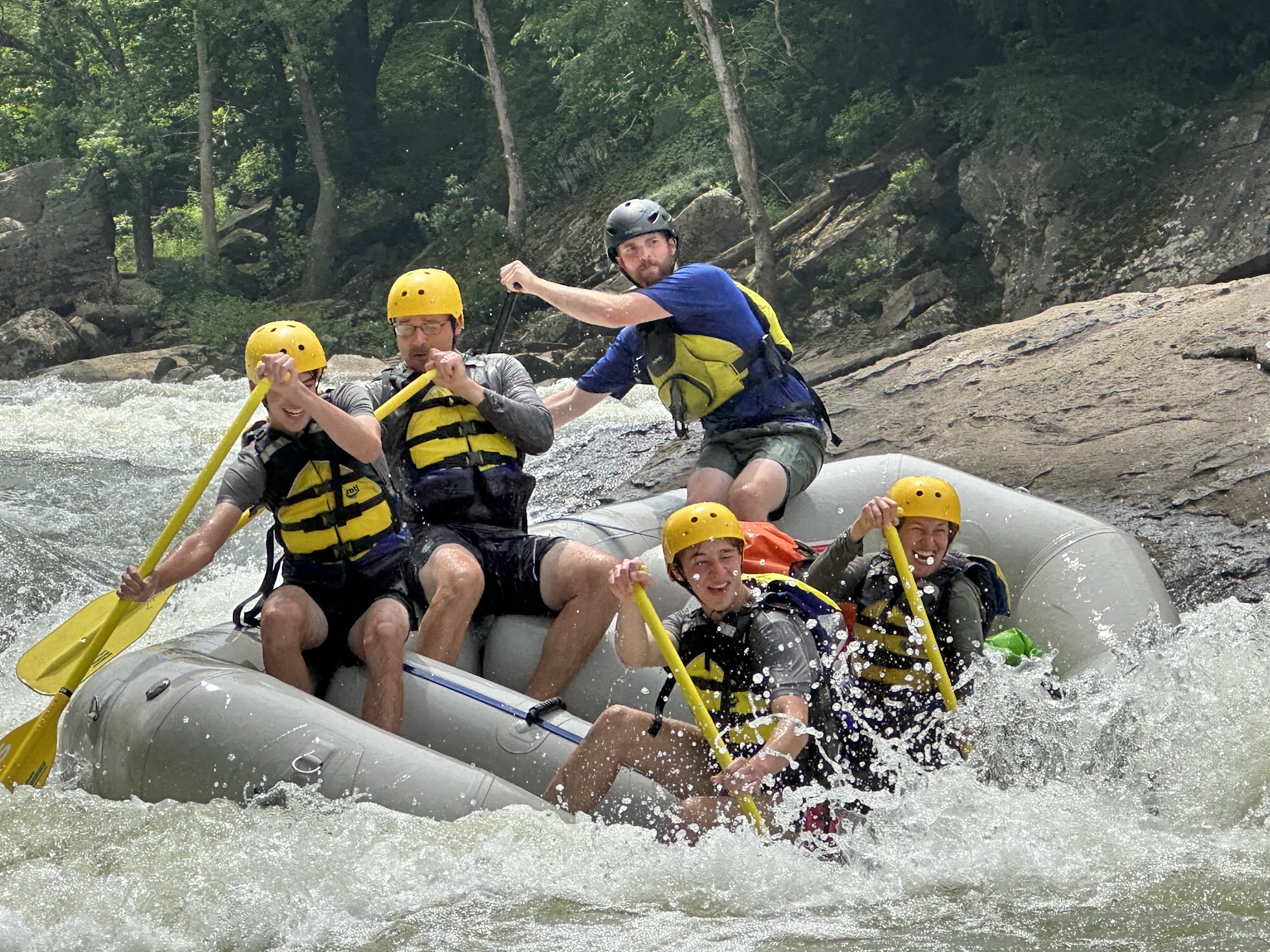
The New River Gorge is home to some of the most exciting whitewater rafting in the eastern United States. Stretching through a deep canyon surrounded by lush forest, the New River offers a thrilling combination of rapids, scenic views, and adventure.
Understanding the major rapids of the river can help visitors appreciate the journey even more.
What Makes the New River Unique
Despite its name, the New River is actually one of the oldest rivers in North America. Over millions of years, it carved the dramatic gorge landscape that makes the region so famous today.
The Lower New River section is particularly well known for its continuous whitewater and exciting Class III and IV rapids.
Famous Rapids of the New River
Several rapids stand out as highlights during a rafting trip.
Surprise is often the first big rapid rafters encounter. It provides an exciting introduction to the river’s power.
Double Z delivers powerful waves and swirling currents that require teamwork to navigate.
Greyhound Bus Stopper is one of the largest rapids on the river, known for its huge wave that splashes rafters from every direction.
Fayette Station appears near the end of the trip and offers a thrilling final ride beneath the iconic New River Gorge Bridge.
Rapids and Their Classifications
Rapids are rated using a classification system ranging from Class I to Class V.
Class III rapids feature moderate waves and exciting paddling.
Class IV rapids are powerful and require precise maneuvering.
The Lower New River contains many Class III and IV rapids, making it exciting without being overwhelming for most first-time rafters.
Scenic Sections Between Rapids
While the rapids provide the excitement, the calmer sections between them allow rafters to relax and enjoy the scenery.
Towering cliffs, dense forests, and wildlife sightings make the journey through the gorge unforgettable.
Many rafters spot:
Bald eagles
River otters
Deer along the shoreline
Experiencing the Rapids with Expert Guides
Navigating these rapids safely requires knowledge of river currents and obstacles. Professional guides understand how water levels affect each rapid and know the best routes through the river.
Rafting trips with West Virginia Adventures provide experienced guides who lead groups through the most exciting sections of the river while sharing stories about its history and geology.