Is Gauley River Rafting Right for Your Group?
Gauley River rafting has a reputation that gets people talking long before they arrive in West Virginia. The names of the rapids, the roar of the water, the fall release season, the photos with everyone soaked and smiling – it all sounds like a major adventure because it is. But the best Gauley trip is not about proving something. It is about choosing the stretch, the day, and the crew that fit your group, then letting experienced guides help make it a story worth retelling.
For many guests, the Lower Gauley River is the sweet spot: powerful, scenic whitewater with plenty of excitement and a guided experience that can feel approachable for active first-timers. For others, especially people chasing the biggest challenges in whitewater, the Gauley can demand more experience, strength, and readiness. Here is how to decide what belongs on your West Virginia adventure itinerary.
What Makes Gauley River Rafting Different?
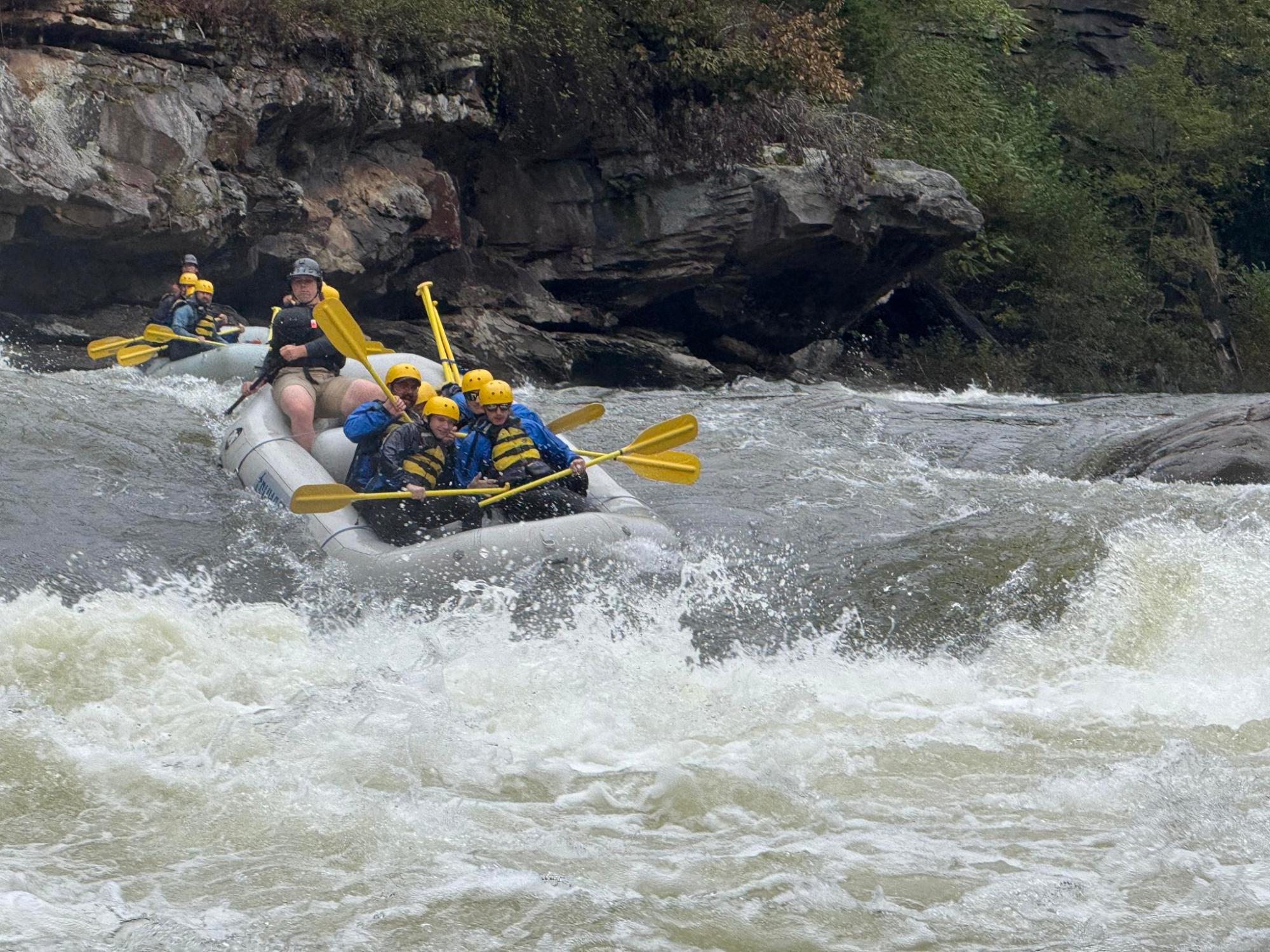
The Gauley is not a lazy float with one splashy surprise near the end. During scheduled dam releases, the river becomes a fast-moving playground of waves, holes, rock gardens, and long stretches where a raft crew has to work together. You will paddle, listen, laugh loudly, get very wet, and likely discover that your friend in the front of the raft has an impressive scream.
The river is generally discussed in two distinct sections: the Upper Gauley and the Lower Gauley. They share the same wild water and mountain setting, but they offer very different experiences. That distinction matters much more than simply asking whether the Gauley is “hard.”
The Upper Gauley is famous for demanding, technical Class V whitewater. It is built for confident, experienced paddlers and guests who understand what a serious whitewater day requires. It is not the place to test whether you enjoy rafting for the first time.
The Lower Gauley brings a different rhythm. It still has legitimate Class III and IV action, with strong rapids and big-water energy, but its pace includes more room to enjoy the forested gorge, catch your breath, and connect with the group. A skilled guide will keep the boat moving with purpose while explaining what is ahead and what your crew needs to do.
Who Will Enjoy the Lower Gauley?
A Lower Gauley trip can be an excellent choice for adventurous families with age-appropriate participants, friend groups, couples, and active travelers who want more intensity than a beginner river offers. You do not need previous rafting experience to have a great time, but you do need to be comfortable participating.
That means being willing to paddle when your guide calls for it, sit securely in the raft, follow safety instructions, and spend a full day outdoors. Swimming ability is strongly encouraged for any whitewater outing, even though guests wear properly fitted personal flotation devices. Rapids are unpredictable enough that every rafter should be prepared for the possibility of ending up in the water and know how to respond.
The Lower Gauley is often a better fit than the Upper Gauley for healthy, first-time rafters who want a real challenge. Still, “first-timer” is only one piece of the picture. A fit first-timer who enjoys physical activity and listens well may be ready for more than a person with rafting experience who is nervous in moving water. Age requirements, water levels, weather, and individual comfort all factor into the decision.
If your group includes younger children, cautious adults, or anyone who would rather admire rapids than charge into them, a New River trip may be the better choice. There is no prize for choosing a river that leaves half the group stressed. The best trip is the one where everyone can finish tired, proud, and ready to trade stories over dinner.
What a Guided Gauley Day Feels Like
A well-run rafting day starts before the raft reaches the water. Your outfitter should cover check-in details, gear fitting, transportation, safety information, and paddle commands so no one is left guessing when the river gets loud. Listen closely during this part. The briefing is not a formality. It is the foundation for a more confident day.
Once on the river, the guide is the calm voice in the middle of the action. They read the water, position the raft, call for paddling, and explain how the crew can help navigate each rapid. Your job is not to become an expert boater by lunchtime. Your job is to stay engaged, paddle as a team, hold on correctly, and trust the guidance you are given.
Expect the day to alternate between full-focus moments and quieter stretches. One minute you may be driving into a wave train with water pouring over the bow. Later, you may be floating beneath steep green hillsides, spotting birds, sharing snacks, or hearing the guide tell a river story. That contrast is a big part of the Gauley’s appeal. The scenery does not disappear just because the rapids are exciting.
Guided trips also include the realities that make adventure feel real: wet shoes, tired shoulders, sun on your face, and a little river water in places you did not expect. Bring a sense of humor. It travels well on the Gauley.
How to Prepare for a Better Ride
You do not need specialized whitewater gear, but preparation can make a noticeable difference. Wear secure footwear that can get wet. Old sneakers or river sandals with a heel strap are far better than flip-flops, which can disappear in one enthusiastic wave. Choose quick-drying clothes, and avoid cotton when temperatures are cool because it stays wet and chilly.
Before departure, eat a solid meal and drink water. Whitewater rafting is active, and a long day on the river is more fun when you are fueled. Bring any items your outfitter specifically recommends, such as sunscreen, a water bottle for before and after the trip, a towel, dry clothes, and a way to secure glasses if you wear them.
Leave valuables behind unless they can be safely stored. Phones, loose jewelry, and car keys do not belong in an unprotected pocket on a rafting trip. If you want photos, ask about trip photography before launch. It is much easier to enjoy a rapid when you are not trying to protect your camera through it.
Most importantly, be honest when booking. Share relevant medical concerns, injuries, swimming comfort, ages, and the overall experience level of your group. An experienced outfitter would rather answer a few extra questions ahead of time than put someone on a river that is not right for them.
Choosing the Right Trip for a Mixed Group
Mixed groups are common, especially for reunions, bachelor or bachelorette weekends, scout trips, school groups, and multigenerational vacations. Usually, there is one person pushing for the biggest rapids, one person asking whether they will fall out, and someone else mainly excited about the post-trip photos.
Start with the least comfortable participant who truly wants to come, not the loudest adventurer in the group. If the group has widely different comfort levels, consider splitting the day between river options or choosing an experience that lets everyone participate confidently. A challenging trip is far more fun when no one feels pressured into it.
For organized groups, logistics matter as much as the rapids. Ask about trip length, minimum ages, transportation, meal timing, group sizes, waivers, and what happens if weather or water conditions require a change. West Virginia Adventures works with groups of all kinds, and thoughtful planning helps the day run smoothly from the first check-in to the ride home.
When to Plan Your Gauley Adventure
Gauley River trips are tied to scheduled water releases, most famously during the fall season. Those dates create a special kind of energy around the New River Gorge region, with visitors arriving specifically for big water and mountain color. Availability can move quickly, especially for weekends and larger groups.
Do not assume every fall day offers the same experience. Release schedules, weather, river conditions, and trip offerings can affect what is available. Plan ahead, but stay open to the outfitter’s recommendation. If the Lower Gauley is your goal, booking early gives you more flexibility with dates and group arrangements.
A Gauley trip is not meant to be a box checked because somebody told you it was the toughest river around. It should be the day your crew chooses because the challenge sounds exciting, the preparation feels manageable, and everyone is ready to paddle together. Show up ready to listen, get soaked, and celebrate every rapid from the first wave to the final high-five.