
How Guides Rescue Flipped Rafts on Whitewater
A raft flips fast. One moment, the crew is driving hard through a wave train; the next, the boat is upside down, paddles are floating, and everyone is suddenly in the river. It can look wild from the water, but how guides rescue flipped rafts is not guesswork or movie-style heroics. It is a practiced set of decisions built around one priority: taking care of people first.
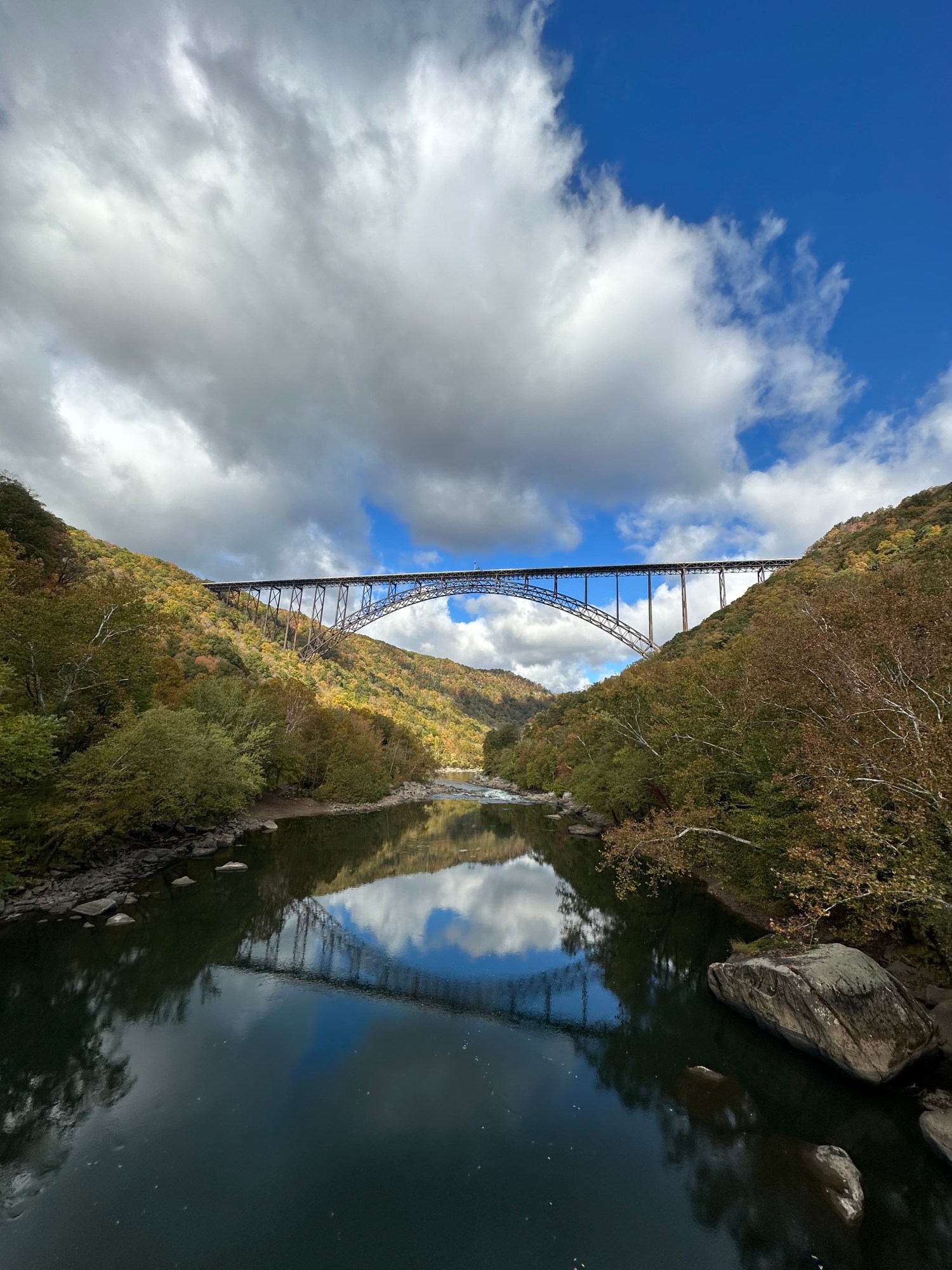
On the New River and Lower Gauley River, conditions can change from one rapid to the next. A skilled guide reads the current, knows where the calmer recovery water is likely to be, and gives guests clear instructions before a flip ever happens. That preparation is a big reason guided whitewater can feel thrilling without asking first-timers to figure it all out alone.
Before a Flip: Guides Set Up the Rescue
The best flip rescue often starts well before the raft enters a rapid. At the put-in, guides fit every guest with a properly secured personal flotation device and helmet, explain how to hold a paddle, and cover the key commands that matter when the water gets loud.
Guests also learn what to do if they go overboard: stay calm, keep feet up and downstream when floating through current, look toward the guide, and avoid standing in moving water. That last point matters. Feet can catch between rocks, creating a serious hazard in shallow, fast current. A guide will explain the safest response for that river section and water level, because the right move can depend on the rapid and conditions.
Guides also scout the group itself. A family with younger paddlers, a school group, and a crew of experienced friends may all have different comfort levels and reactions under pressure. Good guides use that knowledge to position people, set expectations, and choose the right line through a rapid.
How Guides Rescue Flipped Rafts Step by Step
When a raft turns over, the guide rapidly assesses where every person is and where the current is taking the group. The immediate objective is not always flipping the boat back at that exact second. If swimmers are moving through a rapid, the guide’s first job is to get them safely to an eddy, shoreline, another raft, or a stable point in calmer water.
A rescue usually unfolds in a quick sequence:
- The guide checks for swimmers and gives simple, loud directions.
- Nearby guides move into position to assist, often using their raft as a stable pickup platform.
- Guests are brought to safer water or back into a raft when conditions allow.
- The overturned raft, paddles, and loose gear are recovered once people are accounted for.
That order can surprise people who imagine a guide immediately wrestling the raft upright. But a boat can be replaced. A paddle can be retrieved downstream. People come first, every time.
Getting Swimmers to Safer Water
Whitewater guides are trained to use the river rather than fight it. They look for eddies – calmer pockets of water behind rocks or along shore – where swimmers can catch their breath and regroup. Depending on the rapid, a guide may direct a guest to hold onto the side of a raft, reach for a throw rope from shore, or swim toward a nearby boat.
For guests, the most helpful thing is to listen for the guide’s voice and avoid frantic movement. A properly fitted life jacket keeps a swimmer afloat, and a calm, defensive floating position helps them move with the current until the guide directs the next step.
On multi-raft trips, teamwork becomes especially valuable. Guides communicate with hand signals, whistles, and direct calls. One boat may pick up swimmers while another catches the overturned raft below the rapid. That coordinated response is why commercial rafting crews run rivers as a team, not as isolated boats.
Righting the Raft
Once the group is in a suitable recovery spot, the guide and assisting guides can work on flipping the raft back over. The technique varies by raft design, current, access to another boat, and the space available in the eddy. A flip line attached to the raft may help create leverage, while guides use body position and timing to roll the boat upright.
This is demanding work, especially in cold water or strong current. It is also why guides ask guests not to climb onto or pull on an overturned raft unless instructed. Extra weight or uncoordinated pulling can make the recovery harder and may put someone back in moving water.
In some situations, the smartest choice is to move the upside-down raft farther downstream to a better recovery area. That is not a failure. It is sound river judgment. Experienced guides know that forcing a fast solution in the wrong place can create more risk than taking an extra minute to reach calmer water.
Recovering Paddles and Gear
Paddles, water bottles, footwear, and other loose items may scatter after a flip. Guides recover what they safely can, but gear retrieval always comes after swimmer safety and raft control. A paddle drifting downstream may look urgent, yet chasing it through a difficult rapid is rarely worth the risk.
This is one reason guides encourage guests to secure essentials and leave valuables behind. Wear river-ready footwear that stays on your feet, follow the outfitter’s guidance on what can come in the raft, and treat anything not attached to you as potentially floatable.
Why Guided Rafting Makes a Difference
A flipped raft is memorable, but it should not become the whole story of your day. With experienced guides, an unexpected swim is managed by people who know the river’s features, communicate with the rest of the team, and have practiced rescue procedures repeatedly.
At West Virginia Adventures, that preparation is part of the trip from the first safety talk to the final splash through a rapid. Guides are there to bring the energy, share the local river knowledge, and help guests feel capable – whether it is a family’s first whitewater trip or a returning crew ready for bigger water.
That does not mean every trip has zero surprises. Whitewater is an active outdoor experience, and weather, water levels, paddling timing, and the river itself all play a part. A guide cannot flatten every wave or promise a raft will never flip. What a professional team can do is choose appropriate trips, build skills before launch, make thoughtful calls on the river, and respond quickly if plans change.
What Guests Can Do If Their Raft Flips
Your guide handles the technical rescue. Your role is much simpler: pay attention during the safety briefing, wear your equipment correctly, and paddle as a team. When a guide gives a command, act on it rather than looking around for confirmation from friends.
If you find yourself in the water, keep your feet in front of you, stay on the surface, and look for instructions. Do not try to stand in fast current. Do not panic-grab another guest or pull them underwater. If you can reach the raft safely, hold on and wait for direction. If not, float defensively toward the recovery area your guide indicates.
Most guests who experience a flip come away with a new level of respect for the river – and a story they tell for years. The moment may feel intense, but it also shows why preparation, teamwork, and an experienced guide crew matter.
A rafting trip should leave you with wet hair, big laughs, and a little more confidence than you had at the put-in. Listen closely, paddle together, and let the guides handle the recovery work when the river decides to add an unexpected chapter to the adventure.