
Whitewater Rafting in New River Gorge for Every Crew
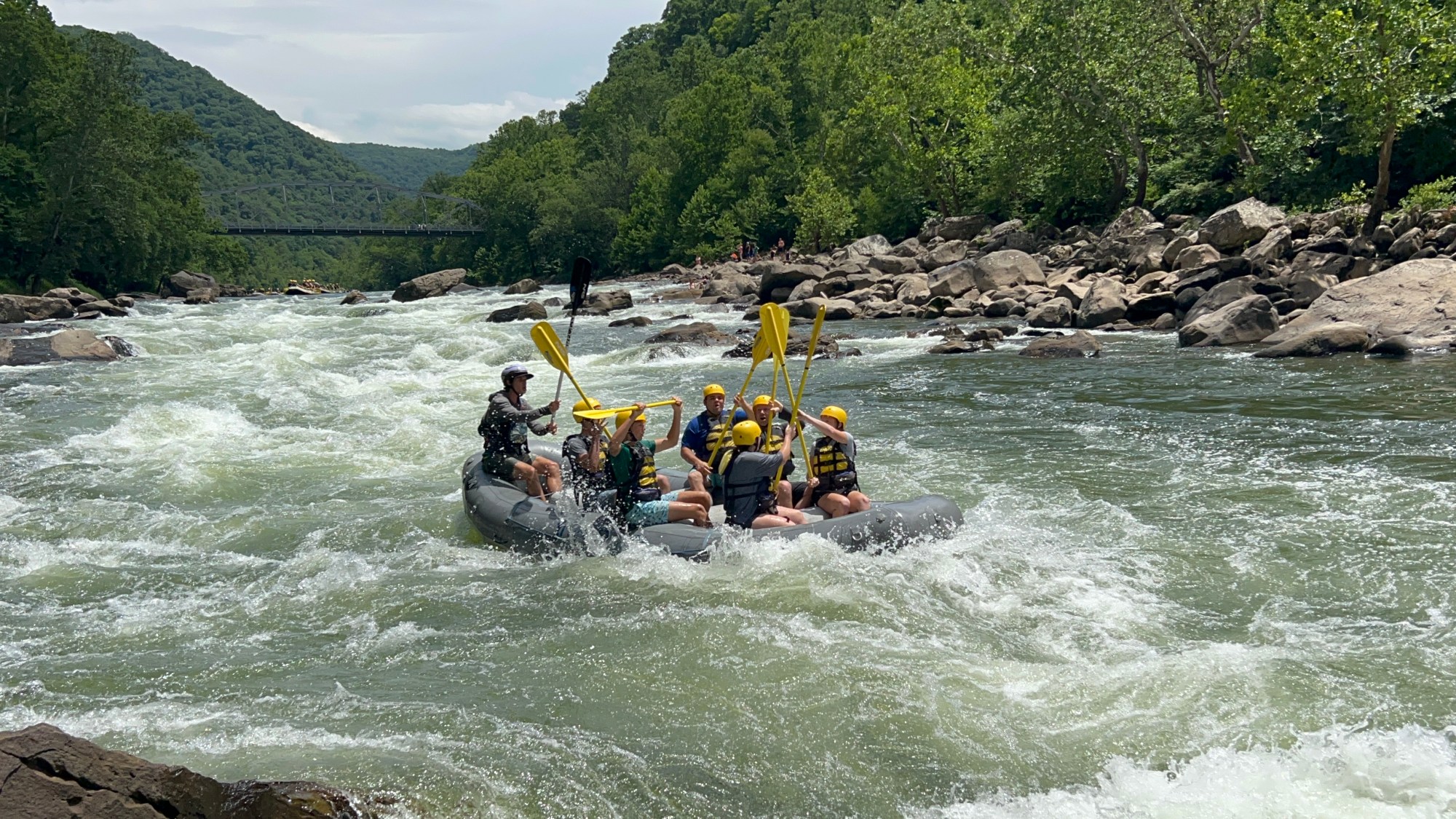
The New River does not ease you into the day with a quiet introduction. It moves through one of West Virginia’s most dramatic landscapes, beneath sandstone cliffs and through a gorge built for big views, loud laughs, and the kind of teamwork that turns a vacation into a story your crew repeats for years. Whitewater rafting in New River Gorge can be a first-time family adventure, a high-energy day with friends, or the next step for paddlers ready to take on bigger water.
The best trip is not always the one with the biggest rapid. It is the one that fits the people in your boat, the season, and the experience you want to bring home. That is where a guided rafting day earns its place: you get the excitement, the scenery, and the confidence of having experienced river people leading the way.
Why Whitewater Rafting in New River Gorge Stands Out
The New River Gorge delivers more than a ride through rapids. Between the waves, there are calm stretches to catch your breath, spot birds overhead, and look up at rock walls that make everyone in the raft go quiet for a second. Then the river bends, the guide calls for a few strong paddle strokes, and the next rapid changes the conversation fast.
That rhythm is a big part of the appeal. A great rafting trip has room for anticipation, action, recovery, and celebration. You are not simply getting wet and checking an activity off a list. You are working together, listening up, and seeing a side of the gorge that roadside overlooks cannot deliver.
For visitors to southern West Virginia, rafting also fits naturally into a full outdoor getaway. A river day can be the centerpiece of a family trip, a reunion weekend, a couples’ escape, or a group adventure with people who do not all arrive with the same comfort level. The key is choosing a river section and trip style that meets your group where it is.
Choose the Right River Experience
The New River Gorge region gives you real range. Some trips are built around a scenic, confidence-building introduction to rafting. Others bring the Class III and IV action that makes experienced adventure travelers start checking the weather and counting down to launch day.
First-time paddlers and younger adventurers
If someone in your group is nervous about rafting, that does not automatically mean the river is off the table. A beginner-friendly float trip can offer moving water, beautiful scenery, chances to paddle, and plenty of time to get comfortable with the boat and the guide’s commands.
This is often the right choice for families with children, multigenerational vacations, and groups where a few people want an outdoor experience without committing to big whitewater. The payoff is shared time outside, not proving anything. A good guide will explain what is ahead, keep instructions clear, and make sure first-timers feel like part of the team from the moment the raft hits the water.
Water conditions and age or weight requirements can affect what is available, so do not choose solely by a photo of a dramatic rapid. Tell the outfitter who is coming, what experience everyone has, and whether your group wants scenic, splashy, or full-throttle. Honest answers lead to better days on the river.
The classic New River whitewater day
For many visitors, the Lower New River is the sweet spot. It combines the scenery people come to the gorge to see with legitimate whitewater that asks everyone to paddle, pay attention, and hang on when the raft drops into a wave train. Class III and IV rapids can feel big, especially on higher water, but they are part of a guided experience built around preparation and teamwork.
You do not need prior rafting experience to enjoy an intermediate trip, but you do need to be ready to participate. Expect your guide to teach basic paddle commands before launch and to give directions before and during rapids. When the guide calls for forward strokes, the crew responds together. That shared effort is what makes the boat feel less like a ride and more like an adventure you earned.
The trade-off is simple: more whitewater means a more physical day. You may be paddling hard, sitting in a wet raft, climbing in and out at the riverbank, and spending hours outdoors. For active families, friend groups, athletic teams, and adventurous couples, that is usually part of the fun. For a group with very young kids or guests who need a gentler pace, a float trip may be the smarter call.
Ready for the Gauley?
The Lower Gauley River is nearby, but it is a different kind of rafting conversation. Its powerful, technical whitewater has earned West Virginia a place on adventure travelers’ must-do lists. This is where returning guests and confident paddlers often look when they want to step up the intensity.
Advanced rafting is not about bravado. It is about choosing a challenge that matches your readiness and respecting changing river conditions. If the New River has you excited for more, ask questions about the Lower Gauley, your group’s experience, and what preparation makes sense. A strong outfitter would rather guide you toward the right trip than put you on water that does not fit your crew.
What a Guided Rafting Day Really Feels Like
Your day starts before the first rapid. You will check in, complete the needed paperwork, meet your guides, and get fitted with required safety gear. Listen closely during the safety talk. It is not a formality. Guides cover how to hold your paddle, where to sit, what commands mean, and what to do if you end up in the water.
That last part can sound intimidating until it is explained well. Rafting safety is built on preparation, proper gear, guide training, and clear communication. You will wear a personal flotation device and helmet when your trip requires it, and your guide will help the crew understand the plan before the river gets busy. Ask questions before launching. Experienced guides want informed guests, not silent ones.
Once you are afloat, the nerves usually give way to excitement quickly. There is time to practice paddling, settle into your spot, and get to know the people sharing your raft. Then come the moments that stick: the boat punching through a wave, a friend shrieking and laughing at once, the guide pointing out a view between rapids, and the whole crew celebrating after a clean line.
A guided trip also handles the logistics that can make self-planned river days complicated. Transportation, equipment, river access, and trip organization are part of the experience. At West Virginia Adventures, that hands-on approach is especially valuable for visitors who want to spend their energy on the river, not on figuring out where to park a vehicle at the takeout.
Plan for Comfort, Not Perfection
You do not need specialized gear or an expedition-sized packing list. You do need clothing that can get wet, secure footwear that stays on your feet, and a willingness to leave valuables behind. Quick-drying layers work well because mountain weather can change during the day. Sunscreen is useful even when the morning starts cool, and a towel plus dry clothes will feel fantastic after your trip.
Avoid loose sandals, bulky cotton layers, and anything you would hate to lose to the river. Glasses should be secured, and medications or essential items should be discussed with your outfitter before arrival. If you are bringing a group, share these expectations early. One prepared boat is a happier boat.
It also helps to set the right expectation for photos. You may get wet. You may look wonderfully wild in the action shots. That is not a failure of vacation polish. It is evidence that everyone showed up for the real thing.
Make It a Better Group Adventure
Rafting brings people together because it gives everyone a role. The strongest paddler still needs the first-timer beside them to move with the crew. The person who was unsure at check-in may be the loudest celebrator by lunch. That dynamic makes a river trip especially good for scouts, school groups, teams, church groups, reunions, and corporate outings.
For organizers, the planning details matter. Start with an honest headcount, participant ages, swimming comfort, and the group’s overall appetite for action. Then give your outfitter time to recommend the right trip, explain requirements, and organize the day. Trying to force a mixed group onto the most intense option can leave part of the crew anxious instead of energized.
The better move is to choose the experience that lets the whole group have a win. Sometimes that is a scenic float. Sometimes it is Class III and IV whitewater with a lot of cheering. Either way, the best moment often happens after the last rapid, when everyone is swapping stories they just lived together.
The New River Gorge will supply the cliffs, the current, and the unforgettable views. Bring a crew ready to paddle, listen, laugh hard, and leave with one more story worth telling.