
Can Non Swimmers Raft? Yes, With the Right Trip
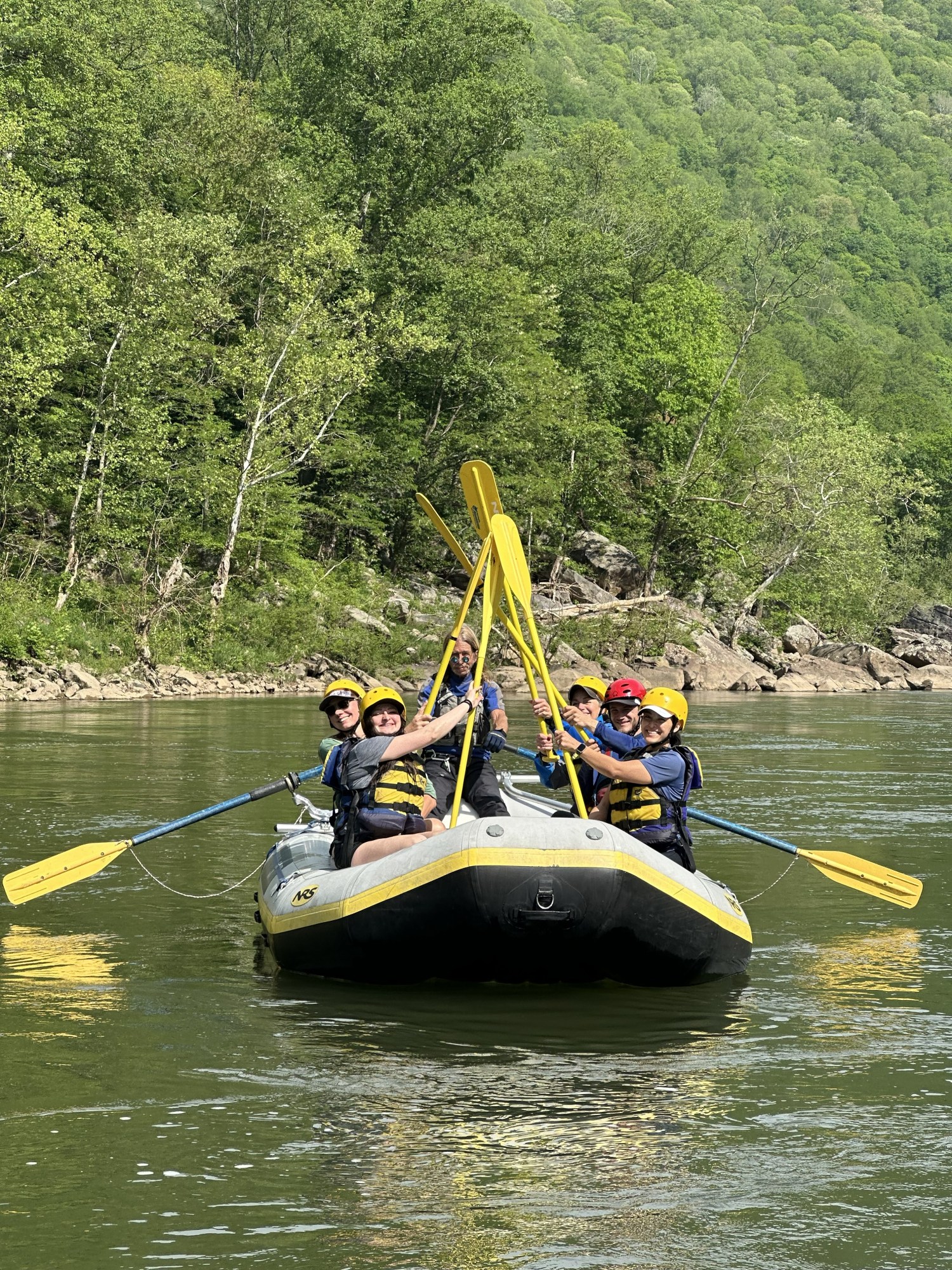
The question “can non swimmers raft?” comes up all the time, usually from someone who wants the river-day photos, the big laughs, and the rush of a rapid but is nervous about deep water. The encouraging answer is yes: many non-swimmers can enjoy a guided rafting trip. The more useful answer is that it depends on the river, the trip, the outfitter’s requirements, and your willingness to be honest about your comfort level.
Whitewater rafting is a team activity led by trained guides, not a swim test. Still, it takes place on moving water, and the best experience starts with choosing an adventure that fits you rather than forcing yourself onto the biggest ride available.
Can Non Swimmers Raft Safely?
On many beginner and intermediate guided rafting trips, non-swimmers are welcome when they meet the outfitter’s age, health, and participation requirements. Every guest wears a properly fitted, Coast Guard-approved personal flotation device, commonly called a life jacket. That equipment is designed to keep a person afloat if they enter the water.
A life jacket is essential, but it is not a reason to ignore the realities of the river. Rapids are active, unpredictable water. A guest could be splashed, need to sit securely through a wave train, or, less commonly, end up in the water and need to follow guide instructions. Being unable to swim does not automatically prevent someone from rafting. Panicking, withholding concerns, or selecting a trip beyond your comfort zone can make the day harder than it needs to be.
That is why a quality outfitter asks questions before the trip and gives a clear safety talk at the put-in. Listen closely. You will learn how to hold your paddle, where to sit, what to do if the raft bumps through a rapid, and how to float safely if you take an unexpected swim. The goal is not to make guests afraid. It is to replace guesswork with a plan.
Swimming Ability and Water Confidence Are Different
Some guests who cannot swim are perfectly comfortable in water while wearing a life jacket. Others can swim laps in a pool but become anxious when water moves around them. For rafting, that second factor matters just as much.
Ask yourself how you react when you cannot touch the bottom. Are you comfortable getting splashed in the face? Can you stay calm while listening for instructions? Would a brief moment in the water feel manageable with a flotation device, or would it cause severe fear? There is no prize for pretending to be braver than you feel. A great rafting day should be exciting, not overwhelming.
If your answer is “I’m nervous, but I’m ready to listen and try,” a beginner-friendly guided trip may be a terrific fit. If you have intense water anxiety, a medical condition that affects your ability to respond in an emergency, or a fear that could lead to panic, talk with the outfitter before booking. They can help you understand the options and decide whether rafting is right for you right now.
Choose the River Experience, Not Just the Biggest Rapids
Whitewater is rated by class, and those ratings give a general picture of rapid difficulty. Lower-class trips may include calmer stretches, manageable rapids, and plenty of time to take in the scenery. Higher-class trips bring more powerful waves, tighter moves, and a more physical ride. River levels and weather can change the feel of any trip, so the guide team’s assessment matters more than a label alone.
For a non-swimmer, a calmer family-friendly float or a beginner whitewater trip is often the smart place to start. You still get the energy of the river, the teamwork of paddling, and the unforgettable moment when everyone cheers after a rapid. You also have more space to build confidence before moving up to a more challenging run.
The New River Gorge offers that kind of progression especially well. A guest can start with an approachable guided outing and return later for bigger whitewater once they know how rafting feels. At West Virginia Adventures, guides help guests find a trip that matches the group’s ages, experience, and appetite for adventure rather than treating every visitor like an expert paddler.
A more advanced river is not automatically off-limits simply because someone is not a strong swimmer, but it deserves a direct conversation with the outfitter. Some trips have specific swimming requirements, age limits, or physical expectations. Advanced whitewater can be a poor first choice for anyone with serious water anxiety, regardless of whether they know how to swim.
What Happens if You Fall Out of the Raft?
It is the question everyone is thinking, and it deserves a straight answer. Falling out is possible on a whitewater trip, though guides work hard to position the raft, coach the crew, and navigate rapids in ways that reduce that possibility. Before launching, they will explain exactly what to do.
If you end up in the water, your life jacket helps keep you afloat. The usual instruction is to stay calm, keep your feet pointed downstream and near the surface, avoid standing up in moving water unless directed, and look for the raft, a guide, or a rescue line. Your guide and fellow guests are part of that response. Rafting crews practice working together, and guides are trained to manage common river situations.
The key is following the briefing rather than trying to invent a solution in the moment. Non-swimmers often find that hearing and practicing the basic position before the trip makes the possibility feel far less mysterious. If you are worried, tell your guide at check-in. They would rather know before launch and can often seat you where you feel more secure and offer a little extra coaching.
How to Prepare as a Non-Swimmer
You do not need to take swim lessons before a suitable rafting trip, although learning to swim is always a valuable life skill. What you do need is a realistic plan for the day. Arrive rested, hydrated, and ready to pay attention during the orientation. Avoid alcohol or anything else that affects judgment before getting on the river.
Wear the clothing your outfitter recommends for the weather and water temperature, and make sure your life jacket is fitted snugly. A loose PFD can ride up and feel uncomfortable in the water, while a correctly fitted one should feel secure without making breathing difficult. Tell staff if it does not fit right. They have different sizes and want to get it right.
Talk with your group, too. If one person is nervous, set the tone early: no teasing, no pressure to choose a harder trip, and no brushing off concerns. Families, friend groups, and reunion crews have more fun when the whole boat supports each other. The person who starts the morning quietly worried may be the loudest cheerleader by lunchtime.
Questions to Ask Before You Book
A brief call or conversation with the outfitter can make the decision much easier. Ask whether non-swimmers are accepted on the specific trip, whether there are age or weight requirements, and what the typical river conditions are during your visit. Find out how physically demanding the trip is and whether guests need to paddle through rapids.
It also helps to ask what happens if the guide determines that conditions are not a good match for your group. Professional outfitters make conservative decisions when water levels, weather, or a guest’s needs call for it. That flexibility is a sign of good judgment, not a disappointing experience.
Be especially clear if you are booking for children, a first-time adult rafter, or someone with a health concern. The right trip may be a splashy first adventure with gentle stretches between rapids, not the most intense option on the schedule. There will be time for bigger stories later.
Let Confidence Build One Rapid at a Time
Rafting can be a wonderful first step for people who want to feel more at home around water. You are not alone in a pool lane. You are in a crew, wearing flotation, learning from guides, and moving through a landscape most people only see from an overlook. That shared support changes the experience.
A little pre-trip honesty can turn “I don’t know if I can do this” into “I can’t believe I did that.” Choose the trip that feels like a stretch, not a leap too far, listen to your guides, and give yourself permission to enjoy every splash along the way.