
New and Gauley River Rafting with West Virginia Adventures
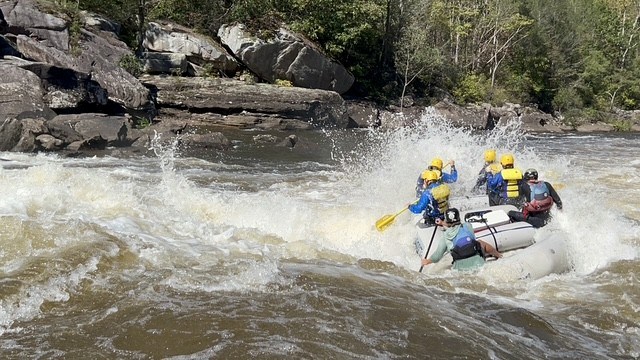
The best New and Gauley River rafting trip is not automatically the one with the biggest rapid. It is the one your whole crew will talk about on the drive home: the first paddle stroke that felt awkward, the guide’s perfectly timed joke, the cold splash over the side, and that satisfying moment when everyone realizes, “We did that.” In the New River Gorge, you can choose that kind of story at more than one intensity level.
The New River and Lower Gauley River are close neighbors, but they create distinctly different rafting days. One can be an ideal first step into whitewater. The other asks for more commitment, more teamwork, and a little more appetite for getting soaked. Knowing the difference before you book helps families, couples, friend groups, and organized groups pick the adventure that feels exciting for the right reasons.
New and Gauley River Rafting: Start With Your Crew
A rafting trip should challenge your group without leaving half the boat wishing they had chosen a quieter afternoon. Start by considering the least experienced person in your party, not just the most adventurous. A confident kayaker and a first-time paddler can both have a great day, but they may have very different definitions of fun.
The New River is often the natural choice for first-timers, families, and mixed-experience groups. Its guided rafting options can range from scenic, relaxed float trips to lively whitewater with Class III and IV sections, depending on the stretch and water conditions. That range makes it a strong fit when some guests want action and others want time to enjoy the cliffs, forest, and river corridor of the New River Gorge.
The Lower Gauley River brings a stronger, more technical feel. It is widely known for powerful whitewater, fast decisions, and Class III and IV rapids that reward a boat full of committed paddlers. It is not a casual float, and that is exactly why experienced rafters and athletic groups love it. A Lower Gauley trip is often best for guests who are comfortable in active water, ready to listen closely to their guide, and eager to paddle hard as a team.
Neither choice is “better.” The right river depends on your group’s comfort level, the ages in your party, current water conditions, and the kind of memory you want to make.
What the New River Feels Like
Think of the New River as a versatile outdoor day with a whitewater pulse. On a gentler trip, you may spend stretches floating through scenery, cooling off with a swim, and getting comfortable with basic paddling commands before the river picks up. On a more adventurous New River run, rapids become the main event, with waves to punch through, big splashes, and plenty of reasons to hold on when your guide calls for a forward paddle.
That progression matters. A guest who has never worn a rafting helmet can learn the rhythm of the boat in an environment that still feels thrilling. Families can share a real adventure without dropping straight into the most demanding water in the region. Friend groups can choose a trip that gives everyone a role, whether they are there for the scenery, the laughter, or the moment the raft disappears behind a wall of spray.
The New River is also a smart option when your vacation schedule is tight. Its proximity to the New River Gorge means you can build a full day around rafting, then still have time for a scenic overlook, a relaxed dinner, or a cabin porch conversation about who missed the biggest paddle command.
Who Usually Loves a New River Trip
New River rafting tends to work especially well for first-time rafters, vacationing families, couples looking for an active date, and groups with varied confidence levels. It can also be a great introduction for scouts, youth organizations, school groups, and reunions, provided every participant meets the outfitter’s age, size, and health requirements for the selected trip.
Do not mistake “beginner-friendly” for boring. Whitewater is never a theme-park ride on a fixed track. Water levels, weather, and your crew’s energy all shape the day. A trained guide reads those conditions, teaches the essentials, and helps the boat work together when the river gets lively.
What the Lower Gauley Feels Like
The Lower Gauley is for the group that hears “bigger rapids” and immediately starts checking dates. It has the kind of whitewater that turns a raft into a team sport. Paddlers need to be ready to follow instructions quickly, stay engaged through active sections, and embrace the fact that a proper Gauley day may leave them grinning, tired, and very wet.
The Lower Gauley is generally offered during scheduled fall dam-release season, which makes planning important. Those releases create the reliable flows that give the river its famous character. If Gauley rafting is the centerpiece of your West Virginia trip, choose your dates around the release schedule rather than assuming it runs every day of the year.
While the Lower Gauley is a serious whitewater experience, a guided trip is not reserved only for lifelong paddlers. Fit, adventurous first-timers may be a good match when they meet trip requirements and understand what the day involves. Honest self-assessment is key. If someone in your group is nervous about swimming, reluctant to follow rapid-fire commands, or simply wants a more relaxed outing, the New River may create a better shared experience.
The Trade-Off: Scenery, Intensity, and Energy
Both rivers run through beautiful West Virginia landscapes, but your attention lands in different places. On the New River, there can be more room to look up, spot the gorge walls, and settle into the flow between rapids. On the Lower Gauley, the scenery is still spectacular, but active water often keeps eyes forward and paddles ready.
That intensity also changes the after-river mood. A New River day can leave room for more exploring. A Lower Gauley day can feel like the main event all by itself. Plan accordingly: bring the energy, eat a good breakfast, and avoid stacking your itinerary with something that requires fresh legs immediately afterward.
How Guided Rafting Keeps the Day Fun
A good guide does much more than steer. Before the raft leaves shore, your guide covers paddle technique, seating, safety signals, what to do if someone falls in, and how the team will respond in rapids. On the water, they read currents, choose lines, call commands, and adjust the experience to the group and conditions.
That guided structure is especially valuable for first-timers. You do not need to arrive knowing river jargon or how to brace through a wave. You do need to show up ready to listen, participate, and trust the process. For experienced guests, guides add local river knowledge that makes a demanding run more organized and more enjoyable.
West Virginia Adventures is family-owned, and that hands-on approach matters on a day when details count. Clear check-in information, properly fitted gear, a guide who knows how to settle nervous guests, and a plan for keeping a large group moving together can make the difference between a good outing and a story your crew repeats for years.
Plan for the River You Actually Booked
Whatever trip you choose, dress for getting wet. Quick-drying clothing, secure footwear that stays on in moving water, sunscreen, and a water bottle for before or after the trip are practical starting points. Leave valuables behind unless you have a secure, waterproof plan for them. Your outfitter will provide required river gear and tell you what is appropriate for the season.
Listen carefully to age, weight, swimming, medical, and footwear requirements. These are not fine print designed to spoil the fun. They are part of matching guests to the river safely. If you are organizing a school outing, corporate event, church group, or reunion, collect this information early so no one is surprised on trip day.
For groups, choose one person to handle communication, but let every participant know the basics. Share the meeting time, driving directions, what to wear, and the reality that rafting operates on river time. Arriving late can affect the entire group’s day, especially when transportation and launch windows are involved.
Choose the Story You Want to Tell
Choose the New River when your crew wants a confidence-building whitewater day with room for scenery, connection, and a range of trip intensity. Choose the Lower Gauley when your group wants to earn its bragging rights through stronger rapids and focused teamwork during fall release season.
Either way, come ready to paddle, laugh loudly, and leave your phone safely behind. The river does not care how experienced you are when you arrive. It only asks that you show up prepared, respect your guide, and make room for the people in your raft to become part of the story.