
Class III-IV Rafting in West Virginia: What to Expect
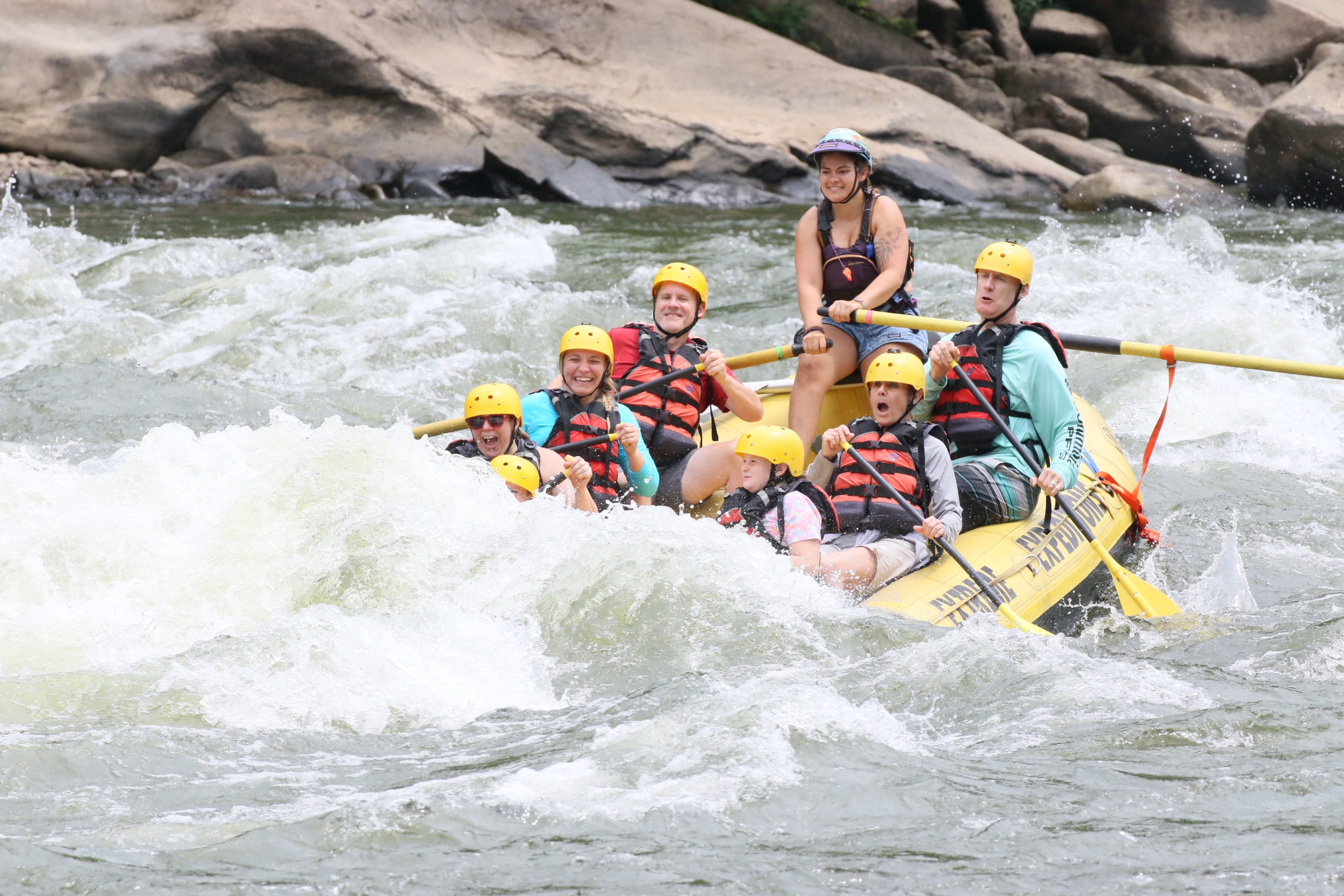
The first big wave hits differently when you are sitting on the edge of a raft, paddle in hand, with the walls of the New River Gorge rising around you. Class III IV rafting West Virginia trips are built for that moment: enough action to get the whole boat yelling, enough guide support to keep the day organized, and enough scenery to make the ride between rapids worth remembering.
For many guests, this is the sweet spot of whitewater. You are not simply floating downstream, but you also do not need to be an expert kayaker to have a great day. The right trip depends on your comfort with physical activity, your group’s ages, the river’s water level, and how much adrenaline you want in the story you bring home.
What Class III-IV Rafting Means
Whitewater classes describe the general difficulty of rapids on a river. They are useful planning tools, but they are not a promise that every rapid will feel exactly the same. Water levels, weather, the line a raft takes, and the teamwork inside the boat all shape the experience.
Class III rapids are exciting, active, and often the point where first-time rafters realize they can do more than they expected. You may paddle through rolling waves, maneuver around rocks, and follow guide commands through quick changes in current. The boat can bounce, spray can fly, and everyone needs to stay engaged, but experienced guides break down what to do before the action begins.
Class IV rapids add more power and more precision. Expect larger waves, stronger currents, tighter moves, and moments when paddling together matters immediately. These rapids are why guests come to West Virginia with a little extra courage in their luggage. They are thrilling, but they also require participants to listen, paddle, and stay ready.
A Class III-IV trip does not mean nonstop intensity from launch to takeout. A quality rafting day has a rhythm. There are energetic runs, calm pools to catch your breath, chances to take in the gorge, and time for guides to share local river knowledge. That balance is part of what makes guided rafting so approachable for a wide range of adventurers.
Why West Virginia Is Made for Class III-IV Whitewater
The New River Gorge delivers a rare combination: classic Appalachian scenery and rapids with real personality. Steep forested slopes, rock cliffs, historic river landmarks, and clear stretches of moving water create a setting that feels much bigger than a typical day outdoors.
The New River is a natural choice for guests looking for a challenging but welcoming introduction to bigger whitewater. Its rapids can offer the splashy, action-packed experience many families and friend groups want, while the spaces between them give everyone time to reset. For people who have rafted before and want to step up from an easy float trip, it can be a natural next move.
The Lower Gauley River brings another level of whitewater reputation to the region. It is often a better fit for confident, adventure-focused guests who want a more demanding day and are ready to work as a team. The Lower Gauley can include Class III and IV action, but it is not interchangeable with every New River trip. River releases, trip timing, age requirements, and group experience should all factor into the choice.
The rivers are close enough that visitors can plan a full New River Gorge getaway without spending their vacation in the car. That matters when your group wants rafting to be the centerpiece of the day, not a complicated logistical puzzle.
Is a Class III-IV Trip Right for You?
You do not have to arrive as a seasoned rafter. Plenty of first-timers choose Class III whitewater because they want more than a scenic float and are willing to participate. The better question is whether you are ready for an active outdoor experience.
A good fit is someone who can follow instructions, hold a paddle, sit securely in the raft, and stay calm when the river gets loud. You should be comfortable getting wet, prepared to paddle when your guide calls for it, and willing to work with the people in your boat. Nervous excitement is normal. Refusing to paddle or ignoring commands is a different matter.
For families, the decision usually comes down to the youngest participant and the overall temperament of the group. A fearless teenager may be eager for bigger waves, while a younger sibling or hesitant parent may have more fun on a milder trip. Choosing the right difficulty is not about proving anything. It is about putting everyone on a river where they can be present, involved, and proud at the end of the day.
Groups with mixed confidence levels should be honest about that before booking. A reunion, scout troop, athletic team, or corporate group can have wildly different comfort levels in the same boat. An experienced outfitter can help organizers choose a trip that feels exciting without leaving half the group overwhelmed.
What About Experienced Rafters?
If you have already paddled Class III water, a Class III-IV run may be exactly what you are looking for. You will still benefit from a guide who knows the day’s water conditions, reads the river constantly, and puts the raft in the strongest available line. Guided rafting lets experienced guests enjoy the action without handling shuttle logistics, gear setup, or route decisions on their own.
If you are specifically seeking the biggest challenge available, ask about the Lower Gauley and be clear about your previous rafting experience. Advanced whitewater is more rewarding when the trip matches your readiness.
Your Guide Does More Than Steer
The best rafting guides bring energy, but their real job is preparation. Before the raft pushes away from shore, your guide will cover paddle commands, seating positions, what to do if you fall into the water, and how to help someone else get back in the boat. Pay attention here. A solid safety talk makes the action feel far less mysterious once the first rapid arrives.
On the river, guides read changing currents, choose lines through rapids, communicate quickly, and keep an eye on every guest in the raft. They also know when to bring the mood up with a joke and when to get everyone focused. That mix of confidence and calm is especially valuable for first-time rafters.
At West Virginia Adventures, the goal is not to make anyone feel like they need to be fearless. It is to give guests the instruction, equipment, and encouragement to take on a day that feels bigger than their everyday routine.
How to Prepare for a Better Rafting Day
Come ready to move. Wear secure footwear that can get wet, such as water shoes or old athletic shoes that stay on your feet. Avoid flip-flops. Choose quick-drying clothes, and skip cotton if the weather is cool because it holds moisture. Sunglasses should be secured with a strap, and anything you cannot stand to lose should stay off the river.
Bring a change of dry clothes for after the trip. A towel, sunscreen, and a water bottle for before or after rafting are also smart additions. Your outfitter will provide required safety gear and explain how it should fit, but let staff know if a helmet or personal flotation device feels wrong. Properly fitted gear is part of having a comfortable, confident day.
Fuel up before you arrive, especially if your trip includes a long stretch of active paddling. You do not need a heavy meal, but whitewater is more physical than it looks from shore. Guests are often surprised by how much they use their legs, core, and shoulders while staying balanced and paddling through rapids.
Weather can change quickly in the gorge. A gray morning does not automatically mean a bad rafting day. In fact, a little rain can make the scenery feel even more alive. Dress for the forecast, follow outfitter instructions, and remember that getting wet is part of the plan.
Make the Rapids a Shared Win
The most memorable rafts are rarely the quiet ones. They are the boats where a couple cheers each other on, a family finds its rhythm, or a group of friends comes off a rapid laughing because everyone paddled hard when it counted. Class III-IV rafting rewards teamwork in a way few vacation activities can.
There is a trade-off, of course. A more exciting trip asks more of you than a float trip does. You may be tired at the end, your hair may be wet, and somebody will probably have a dramatic retelling of the biggest wave. That is exactly the point. Choose the river that gives your group a challenge worth sharing, then show up ready to paddle your part of the story.