
West Virginia Adventures for Every Kind of Crew
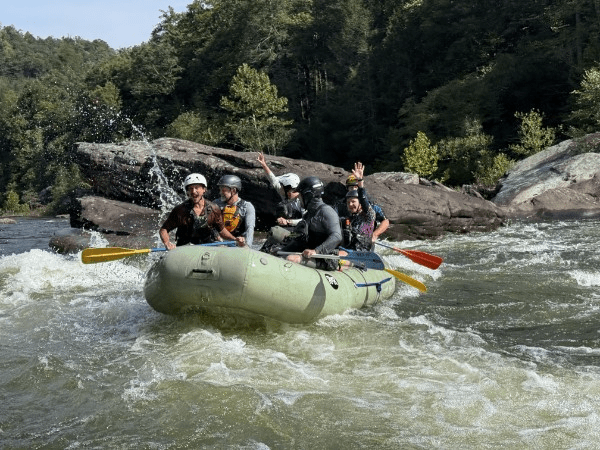
The moment your raft catches its first wave, the New River Gorge stops being a view from an overlook and becomes the story everyone talks about on the ride home. The best West Virginia adventures put your group right in the middle of it: paddles in hand, cool river water in the air, and an experienced guide calling the next move. Whether you are bringing nervous first-timers, teenagers ready for action, or friends who want bigger rapids, there is a river day built for your crew.
Start With the River That Fits Your Crew
Choosing a rafting trip is not about proving anything. It is about matching the river to the people in your boat so everyone can have a great day. A family with younger children, a couple trying rafting for the first time, and a group of longtime adventure travelers may all want something different from the same vacation.
The New River is an excellent place to start. Its guided trips can range from easygoing float experiences to punchy Class III and IV whitewater, depending on the section and water level. The river brings together forested banks, rocky gorge scenery, swimming opportunities, and enough splash to make the day feel like a real adventure without asking beginners to arrive with rafting experience.
The Lower Gauley River steps things up. This is a stronger choice for guests looking for more technical whitewater, bigger waves, and the kind of fast-moving day that keeps the whole boat locked in. It is exciting, demanding, and deeply rewarding when you are ready for it. If members of your group are unsure about that level of intensity, there is no shame in choosing the New River instead. Confidence grows quickly when your first rafting experience is fun rather than overwhelming.
At West Virginia Adventures, guided trip options make it possible to build that progression. Start with a mellow introduction, return for intermediate rapids, then take on more advanced whitewater when the time feels right. That is how one rafting trip turns into a yearly tradition.
Why Guided Rafting Makes the Day Better
A guided rafting trip gives you the freedom to be present. You still paddle, listen, work with your boatmates, and feel every rapid. But you do not have to figure out shuttle logistics, read unfamiliar river features, or wonder whether you packed the right gear.
Before launch, guides cover the essentials: how to wear your personal flotation device correctly, how to hold and use a paddle, what the commands mean, and what to do if someone ends up in the water. Those instructions matter. They turn a group of people with different experience levels into a team that can respond together when the river gets lively.
On the water, a good guide does far more than steer. They read changing currents, choose lines through rapids, set the pace for the boat, share the history and character of the gorge, and know when to bring a little extra energy to the crew. Their calm direction is especially valuable for first-timers. The rapid might feel huge from the raft, but an experienced guide has already assessed the conditions and prepared the group for what comes next.
That safety-focused structure does not take away from the thrill. It lets the thrill be the fun part, rather than the stressful part.
Plan West Virginia Adventures Around Your Comfort Level
The smartest itinerary leaves room for everyone to enjoy the trip. If your group includes a wide range of ages or comfort levels, do not let the loudest person choose the whole day. Talk honestly about swimming ability, comfort in moving water, previous outdoor experience, and how much intensity people actually want.
A beginner-friendly rafting trip is a strong fit for families, school groups, youth organizations, and anyone who wants to see the gorge from the river without jumping straight into advanced whitewater. You can expect instruction, teamwork, scenery, and plenty of chances to get wet. It is active, not passive, and that is exactly why it works so well for people who want to try something new together.
Intermediate trips are often the sweet spot for friend groups and returning rafters. They bring more continuous action and more technical rapids while still being accessible to guests who are willing to listen, paddle, and work as a team. If you want a day that earns plenty of photos and stories without committing to the most demanding option, this can be your lane.
Advanced whitewater is for guests prepared to meet the river with focus and enthusiasm. Water conditions, age requirements, and outfitter guidance all matter here. Stronger rapids are not automatically better. The best choice is the one that leaves your boat laughing, high-fiving, and already talking about the next trip.
Water Levels Change the Experience
No two river days are exactly alike. Rainfall and seasonal water levels can affect a rapid’s speed, power, and character. A guide will help set realistic expectations, but it is useful to arrive with a flexible mindset. High water can mean a faster, splashier ride. Lower water can reveal more rocks and require more precise maneuvering.
That unpredictability is part of whitewater’s appeal. You are not stepping onto the same ride every time. You are joining a moving landscape that rewards attention, teamwork, and a sense of humor.
Make the Logistics Easy Before You Arrive
A little preparation makes a major difference. Reserve in advance, especially for weekends, holiday periods, and larger groups. If you are organizing for a scout troop, school, athletic team, reunion, church group, corporate team, or military unit, start the conversation early enough to coordinate headcounts, trip fit, lodging needs, and any required paperwork.
Wear clothes that can get wet and shoes that will stay on your feet. Leave loose flip-flops for after the trip. Sunscreen, a secure strap for glasses, and a towel for the ride home are useful additions. Most outfitters provide the required rafting equipment and explain what is appropriate for the conditions, so check the trip details before you pack.
Bring the right attitude, too. Rafting is a shared activity. Your guide will call for forward paddling, back paddling, stops, and sometimes a quick shift in weight. The boats that have the most fun are rarely the boats with the strongest athletes. They are the boats that listen, paddle together, and cheer each other on after every rapid.
Turn a Rafting Trip Into a Gorge Getaway
Rafting can be the main event, but the New River Gorge region gives your trip more room to breathe. Build in time for scenic drives, overlooks, hiking, local meals, and a quiet evening around the cabin or campground. After a day of whitewater, even simple plans feel better: dry clothes, a good meal, and a replay of who screamed the loudest through the biggest wave.
For couples, a rafting day can balance adventure and time outdoors without requiring a complicated itinerary. For families, it gives everyone a shared challenge that does not involve screens or separate activities. For groups, it creates the kind of instant connection that is hard to manufacture in a meeting room or around a hotel pool.
Trip photography is worth considering if available. You can certainly bring home the memory without it, but it is hard to take your own action photo while holding a paddle and following commands. A professional river shot captures the moment your whole boat is working together, whether that means determined faces, pure joy, or one friend looking very surprised.
Your Next Story Starts at the Put-In
The best outdoor memories do not come from doing the biggest thing on the first try. They come from choosing the adventure that fits, trusting your guide, and sharing the experience with people you are glad to have in the boat. Pick your river, gather your crew, and make room for the kind of day that gets better every time you tell it.