
Lower New River Rafting for Your First Big Ride
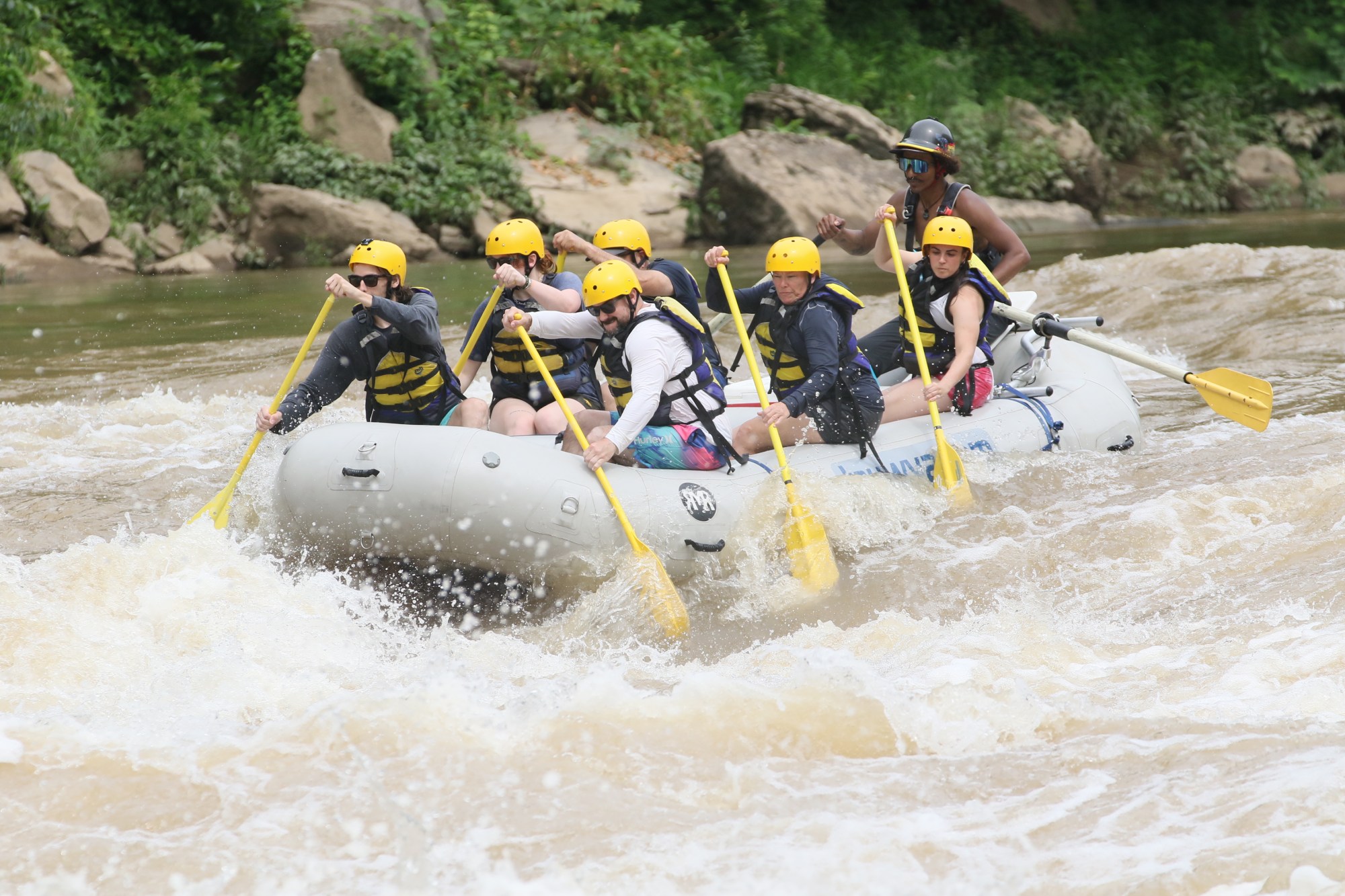
The first big wave on the Lower New River does not ask whether you have paddled before. It asks whether your crew is ready to listen, dig in, and laugh when the boat drops into the next pool. Lower New River rafting is a true West Virginia whitewater day: fast-moving Class III-IV rapids, steep gorge scenery, and the kind of shared effort that turns a family vacation or friends’ weekend into a story everyone keeps telling.
This is not a quiet float trip with a few splashes added for effect. It is an active, guided adventure for guests who want to feel the power of the New River Gorge while having experienced professionals set the pace, teach the commands, and help every person in the raft contribute.
What Makes Lower New River Rafting Different?
The Lower New River runs through the heart of the New River Gorge, where the river narrows, the canyon walls rise, and the current finds plenty of reasons to get lively. This section is known for continuous action rather than one isolated rapid followed by a long break. You may paddle through wave trains, maneuver around rocks, punch through bigger features, and catch your breath in calmer pools before the next challenge arrives.
The rapid ratings generally land in the Class III-IV range, but a number on a river map never tells the whole story. Water levels, weather, the time of season, and your group’s ability to work together all shape the ride. At moderate levels, the Lower New can be an exciting step up for confident first-timers. At higher water, the waves get bigger, the current moves faster, and the day can feel considerably more intense.
That range is part of what makes this river special. Returning rafters can find a fresh challenge, while newcomers who are ready for something beyond a gentle float can discover what whitewater rafting is really about.
Who Will Have the Most Fun on This Trip?
The best Lower New River crews arrive excited to participate. You do not need prior rafting experience, but you do need to be comfortable in moving water, willing to follow instructions, and ready to paddle when your guide calls for it. The raft works best when everyone is engaged, even if one person brings the confidence and another brings the nervous jokes.
It is a natural fit for adventurous families with age-appropriate kids, groups of friends, couples looking for a memorable day outdoors, and teams or reunions that want more than another afternoon standing around a picnic table. Scouts, school groups, church groups, and corporate teams often find that rafting creates quick connection. There is no pretending to be a team when the guide calls, “Forward paddle!” and the boat needs everyone’s effort.
For younger children, guests who are uneasy around water, or anyone hoping for a slower introduction, a beginner-friendly river option may be the better call. Choosing the right trip is not about proving anything. It is about matching the river to the people in the boat so the challenge feels exciting instead of overwhelming.
Your Guide Does More Than Steer
A good rafting guide reads the river long before the raft reaches the rapid. They watch current patterns, identify the cleanest route, prepare the crew for what is ahead, and make quick decisions when conditions change. They also know when to bring the energy down, answer questions clearly, and give nervous paddlers a job they can feel good doing.
Before launching, your guide will cover the basics: how to wear your personal flotation device and helmet correctly, how to hold and use a paddle, the raft commands, and what to do if you end up in the water. Listen closely. A safety talk may not feel as dramatic as the rapids, but it is what helps the whole group approach the day with confidence.
On the river, expect direct instructions and plenty of encouragement. Commands are short because rapids move quickly. “Forward,” “back,” “left side,” and “get down” are not suggestions to debate. When each person responds together, a raft becomes surprisingly nimble.
West Virginia Adventures keeps that guided experience personal. You are not simply handed gear and pointed toward the river. The goal is for every guest to understand the plan, feel looked after, and have room to enjoy the ride.
What the Day Usually Feels Like
A Lower New trip starts with anticipation. There is the gear fitting, the ride to the river, the first view of the water, and the moment your group climbs into the raft and realizes the adventure is no longer hypothetical. Early stretches give the crew a chance to practice paddling together and learn the rhythm of the guide’s calls.
Then the river starts asking more of you. A rapid may begin with a tongue of smooth water leading toward a wall of waves. You paddle into it, feel the raft climb, and suddenly everyone is wet, cheering, and looking around to make sure their friends saw that. Between rapids, the gorge provides a different kind of wow factor: forested slopes, towering rock, open sky, and the sense of being far from the parking lot even when your day is carefully organized.
There are quieter stretches, too. They matter. They give guides time to talk about the river, let crews reset, and create the conversations that do not happen when everyone is busy holding on. Depending on trip logistics and conditions, the day may include time to swim in calmer water or enjoy a riverside break.
By the takeout, people are usually tired in the best possible way. Arms have worked. Shoes are wet. Phones are full of photos from before and after, while the real stories are already getting retold with slightly bigger waves than anyone remembers.
How to Prepare Without Overthinking It
You do not need a garage full of outdoor gear to raft the Lower New. Wear clothing that can get wet and stays comfortable when it does. Synthetic athletic clothing, swimwear, and quick-drying layers are often more practical than cotton. Secure footwear is essential. Choose shoes that stay on your feet and can handle water, rocks, and walking at the river’s edge.
Bring sunscreen, a towel, dry clothes for after the trip, and any personal essentials you need for the day. Leave valuables behind or secure them according to your outfitter’s guidance. Glasses should have a retainer, and loose jewelry is better saved for dinner afterward.
The most useful thing you can bring is a good attitude toward getting wet. The Lower New is not designed to keep passengers dry. Spray is part of the fun, and a surprise splash often becomes the photo everyone wants to see later.
Check the Details Before You Arrive
Age and weight requirements, trip length, meeting times, footwear rules, and what is provided can vary by outfitter and river conditions. Read your confirmation information, complete required waivers ahead of time when possible, and arrive with enough time to check in without rushing. If someone in your group has medical concerns, limited mobility, or serious uncertainty about the trip’s difficulty, call before booking rather than hoping it will work itself out at the launch.
That conversation is not a barrier to adventure. It is how a thoughtful outfitter helps you choose the right one.
When Should You Raft the Lower New?
Spring often brings cooler water and stronger flows, which can make the river feel especially powerful. Summer offers warm-weather rafting, sunny gorge days, and a great fit for vacation groups. Fall adds crisp air, changing leaves, and a beautiful backdrop for a more rugged kind of getaway.
There is no single best season for everyone. Guests who want bigger water may be drawn to spring conditions, while families often prefer the warmth and easier travel rhythm of summer. The right question is not just, “When is the river best?” It is, “What kind of day does our group want?”
Make It a New River Gorge Weekend
Rafting is a strong centerpiece for a New River Gorge visit, but it does not have to be the whole itinerary. Give your group time to slow down afterward. Grab a meal, share the photos, take in a scenic overlook, or settle into a cabin and compare notes on who screamed first at the biggest rapid.
For groups traveling together, that extra time is often what turns a rafting trip into a real getaway. The river supplies the adrenaline. The rest of the weekend gives everyone time to enjoy the afterglow.
If your crew is ready to paddle hard, get soaked, and earn a view of the gorge that cannot be seen from the roadside, Lower New River rafting is a fine place to make your next story. Pick the trip that matches your group, listen to your guide, and save a little energy for the victory high-fives at the takeout.